
A business case study on Suta, Sujata Biswas and Taniya Biswas, showing how storytelling, community, accessible design and direct-to-consumer retail…
Read MoreAuthentic Lucknow Chikankari | Wholesale | Manufacturing | Private Label SHOP NOW
Built for physical stores, multi-location retailers, ethnicwear stores, department-led sellers and retail businesses that need more than a one-time product purchase.
Retail sourcing works best when the supplier relationship supports category planning, size runs, commercially clear product information, stock depth, quality consistency and repeat-order decisions. This page explains how to plan Chikankari wholesale around those retail requirements.
For independent ethnicwear and fashion stores that need a focused assortment, manageable stock depth and reliable replenishment.
For retailers distributing inventory across more than one location and needing stronger SKU, size and reorder discipline.
For stores where Chikankari sits beside other Indian ethnicwear categories and must earn shelf space through clear positioning and sell-through.
For retailers that want selected Chikankari products developed around their own sizing, labels, packaging or product specifications.
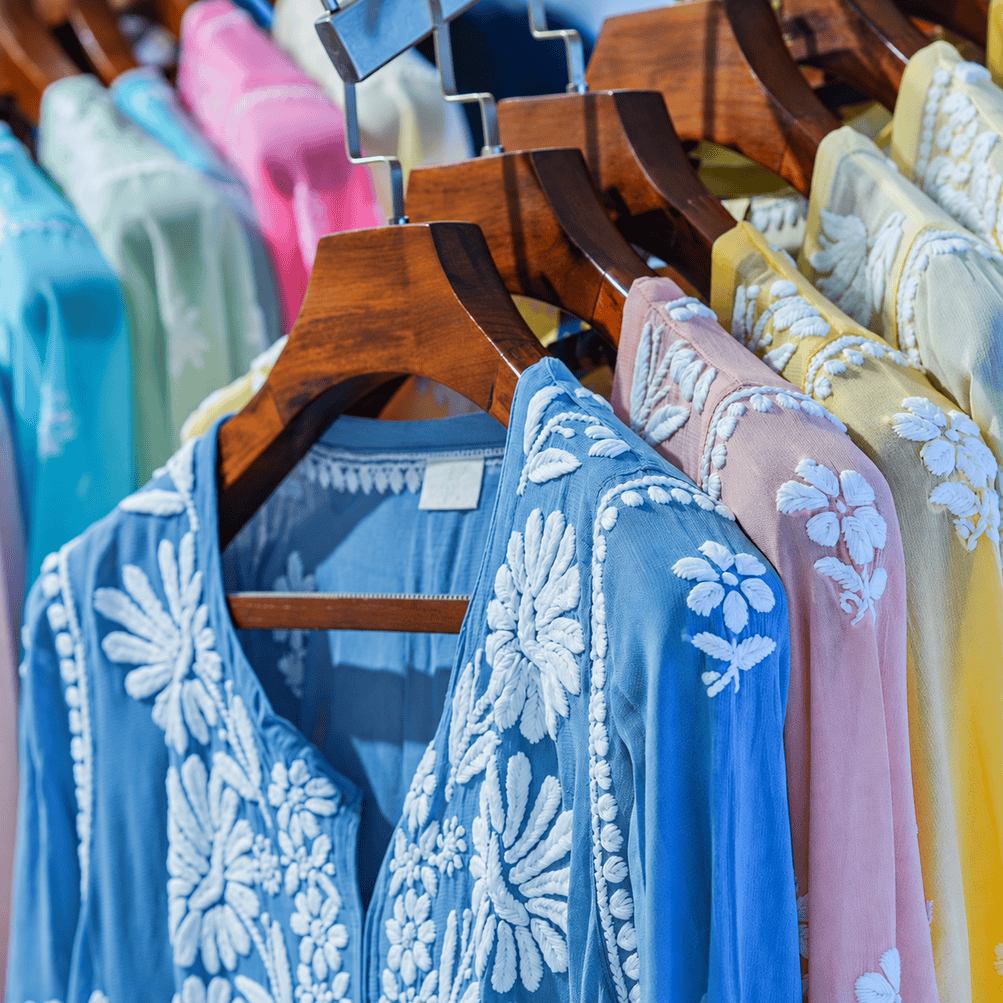
Retail buyers should decide the role Chikankari will play in the store before selecting SKUs. A strong assortment usually combines different commercial jobs rather than repeating similar products.
Retail assortment planning should start with target customer, retail price architecture, store capacity and expected stock turn—not with the number of designs available from the supplier.
Useful for immediate retail windows, testing a category or filling stock gaps from available products.
Best when the retailer wants to build a controlled multi-category assortment from available wholesale styles.
For retailers needing defined changes in fabric, colour, silhouette, measurements, embroidery or construction.
For retailers developing exclusive products around an approved size chart, label, packaging and brand specification.
A retailer can build around one hero category or a coordinated range. Depending on actual availability and production feasibility, the assortment can include:
Category breadth should follow the store’s customer demand, available display space and reorder capacity rather than a requirement to carry every possible product type.
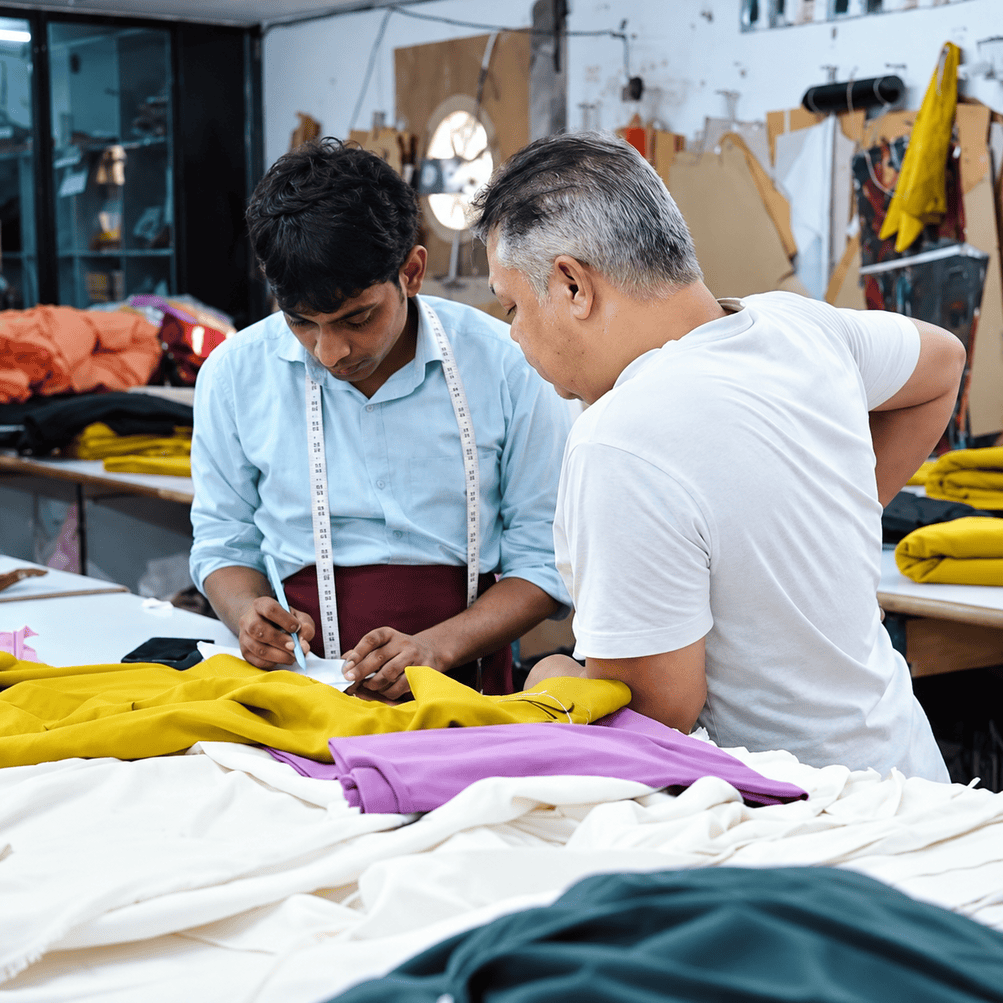
For retailers, the quantity decision is not only ‘how many pieces?’ It is also which sizes, in which styles, at which depth.
A useful retail buying sheet should record style/SKU, colour, fabric, embroidery level, size breakdown, quantity, unit cost and target retail price. Multi-store retailers should also plan how the first delivery will be allocated across locations.
Use historical store data wherever available. If no Chikankari history exists, start with a controlled size curve, monitor sell-through and adjust the reorder mix rather than guessing a permanent size ratio from the first order.
For custom sizing or relabelling, approve garment measurements and fit before bulk production.
Do not evaluate a wholesale quote in isolation. Retailers should work backwards from the expected selling price and include the costs required to get the product sale-ready.
A retail margin model can include product cost, inbound freight, taxes or duties where relevant, payment or clearance charges, local transport, packaging or tagging, markdown allowance, marketplace commission where applicable and operating overhead.
Two products with different wholesale prices can still produce similar retail economics if one has stronger perceived value, better sell-through or lower markdown risk. For that reason, assortment decisions should combine margin, stock turn and customer demand rather than using markup alone.
MOQ, wholesale price and payment terms vary by product and sourcing model and should be confirmed on the actual quotation.
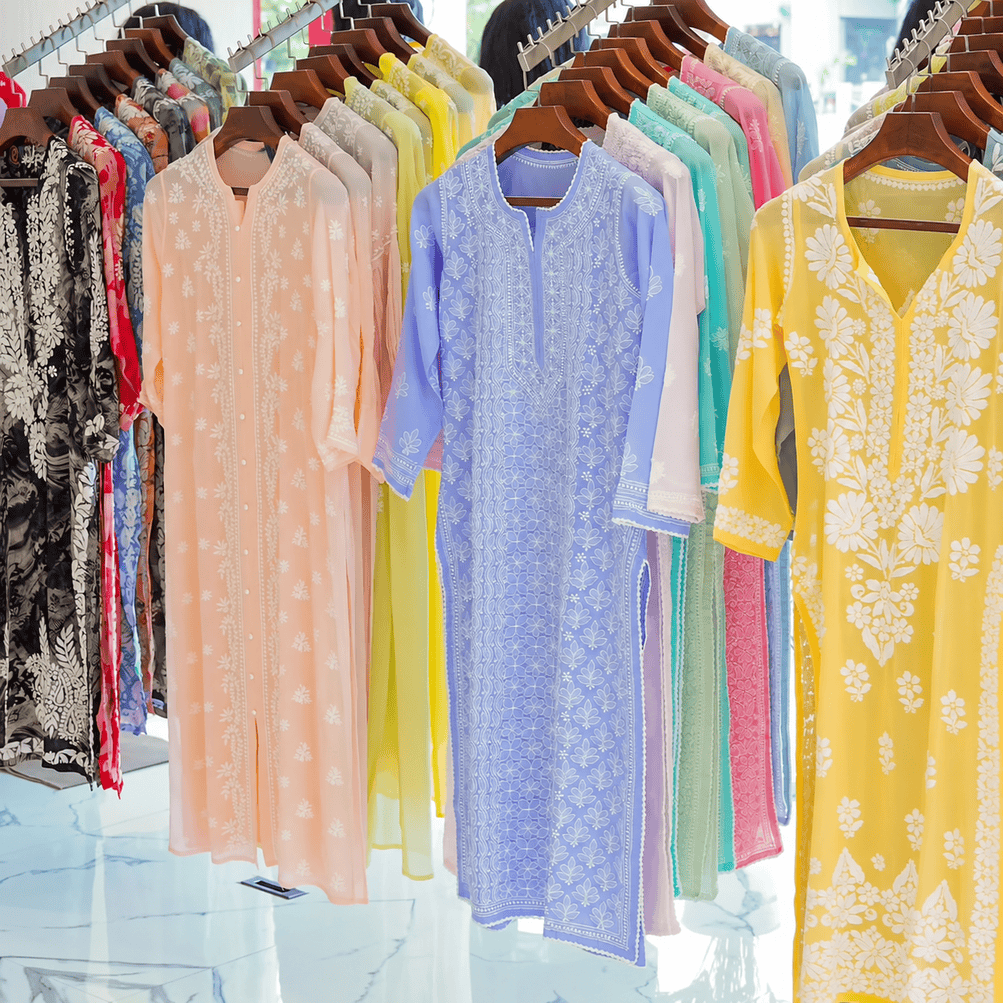
A retailer does not only need one attractive sample. The sample should become a reference for repeatable product quality.
Check fabric, colour, embroidery character, measurements, stitching, finishing, transparency/lining where relevant, loose threads, marks, labels and packing. For custom production, preserve the approved sample and measurement sheet as the benchmark for bulk QC.
Handmade Chikankari can naturally show variation. The commercial goal is not to force handmade work into machine-level uniformity; it is to define which variations are acceptable and which defects are not.
The first order should create the information needed for the second order. Preserve every useful reference: SKU, fabric, colour, embroidery, measurements, approved sample, labels and packaging details.
Track sell-through by style, size, colour, store and price point where possible. Reorder proven sellers before stock becomes critical, but confirm repeatability because fabric, dye lot, embroidery and ready-stock availability can change.
For multi-store retailers, compare performance by location before automatically sending the same reorder mix everywhere.
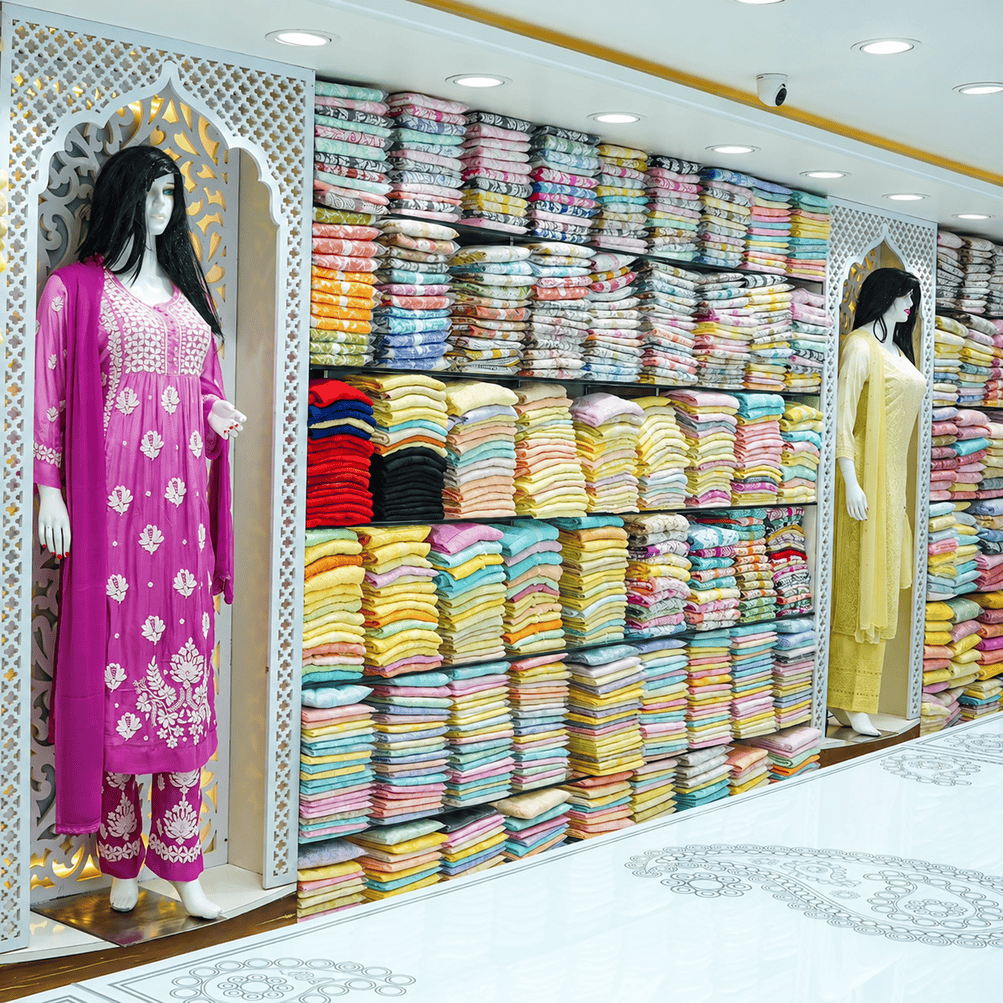
Chikankari often benefits from explanation at the point of sale. Retail teams should know the fabric, embroidery method, key stitch or craft characteristics, fit and care instructions for the actual product.
Use accurate product cards, ecommerce descriptions and staff training rather than generic claims such as ‘handmade’ or ‘Lucknowi’ when the specific product evidence does not support them.
Merchandising can group products by occasion, fabric, colour family, embroidery level or price tier. The goal is to make the customer understand why products differ in value instead of seeing an undifferentiated rack of white or pastel kurtas.
Feedback from boutiques, retailers, resellers, importers and fashion businesses that have sourced Chikankari from us.
Boutique / Retail Buyer

Boutique Owner Canada
Repeat Wholesale Buyer

Brand Owner USA
Private Label / International Buyer

Brad Owner Lucknow
Practical guides for boutiques, retailers, resellers, importers and fashion brands covering Chikankari sourcing, authenticity, fabrics, pricing, MOQ, manufacturing, quality control, private label and international wholesale buying.
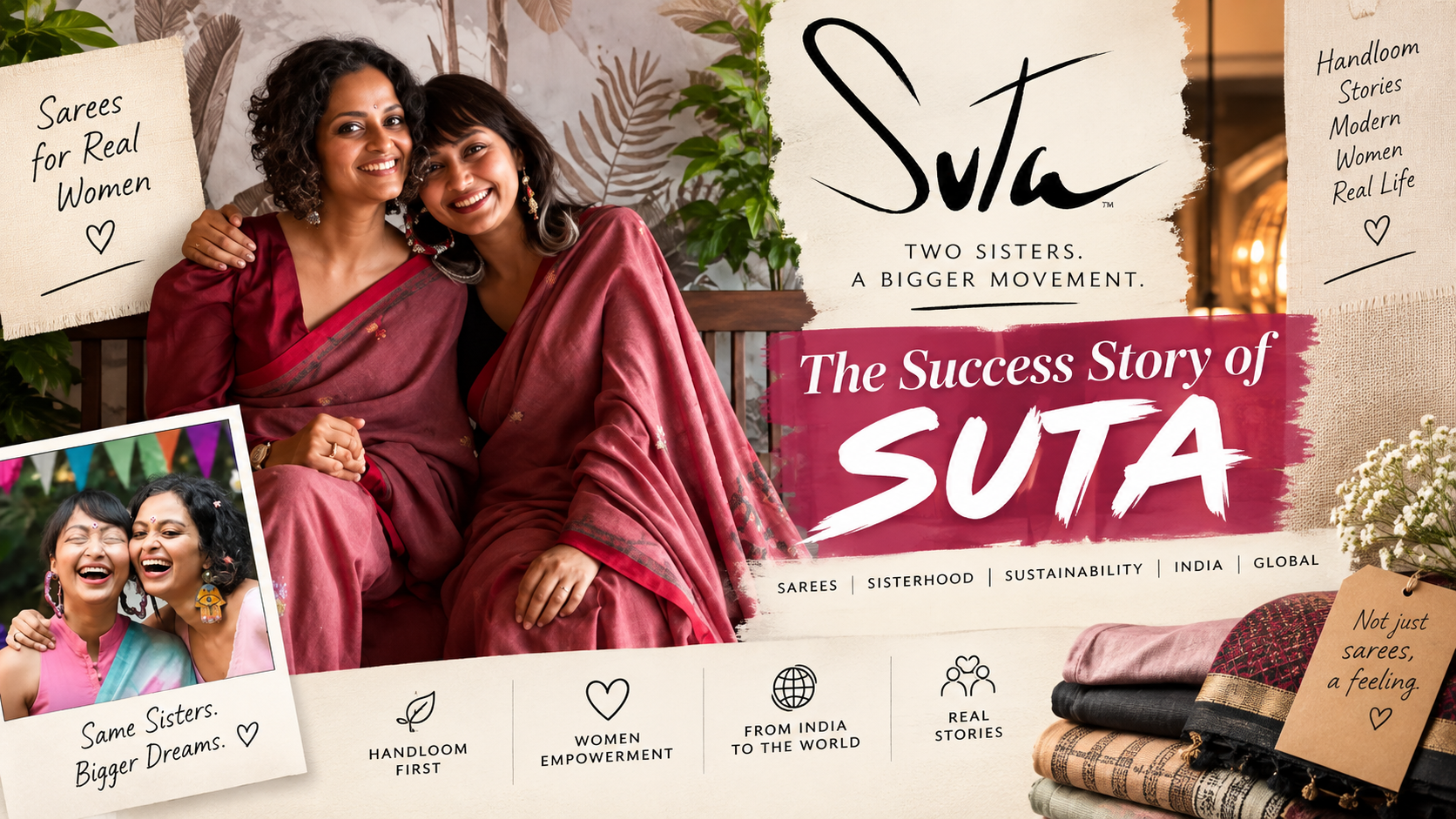
A business case study on Suta, Sujata Biswas and Taniya Biswas, showing how storytelling, community, accessible design and direct-to-consumer retail…
Read More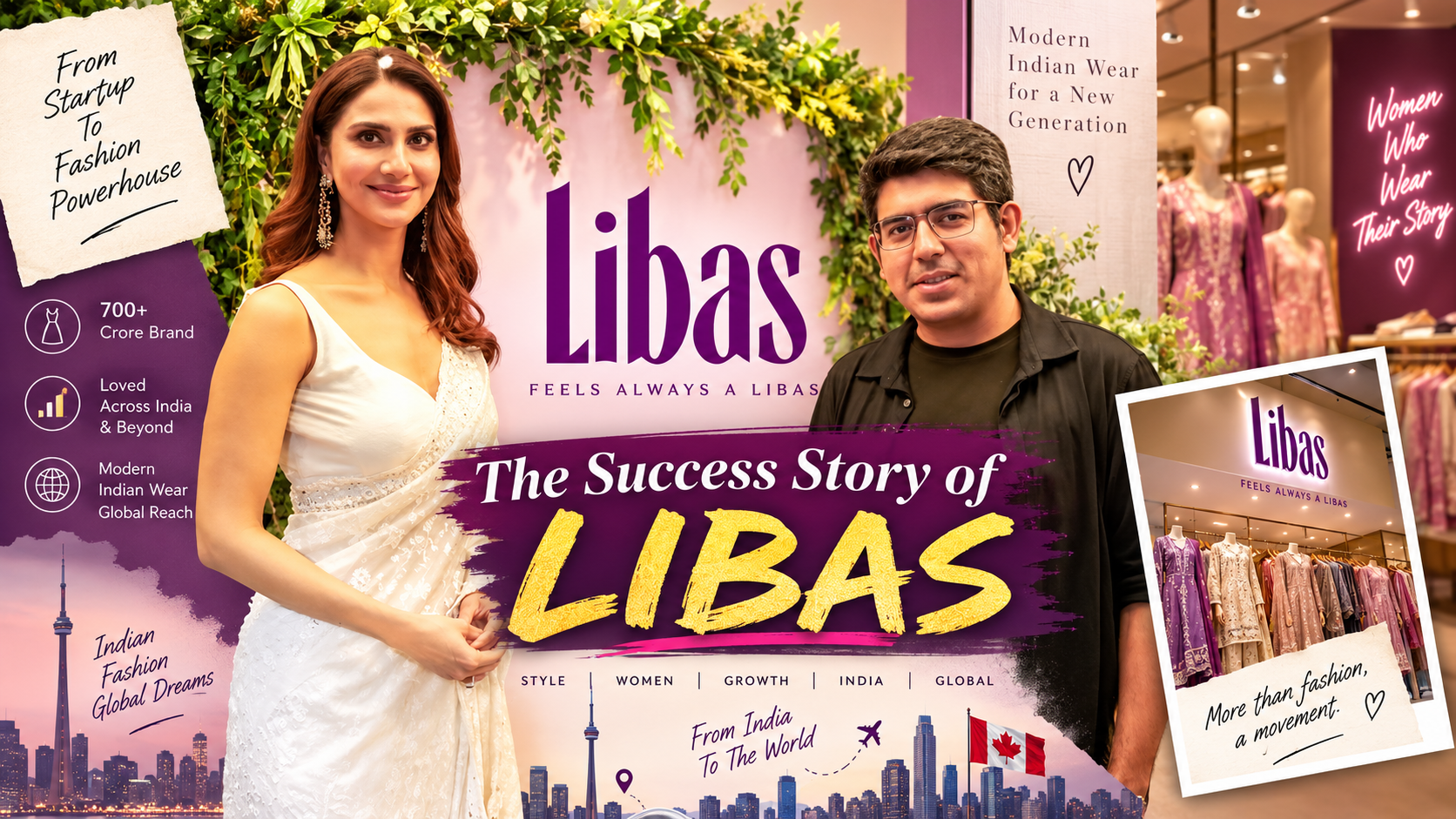
A business case study on Libas and Sidhant Keshwani, covering online-first ethnicwear growth, repeatable product-market fit, pricing, merchandising, marketplace scale…
Read More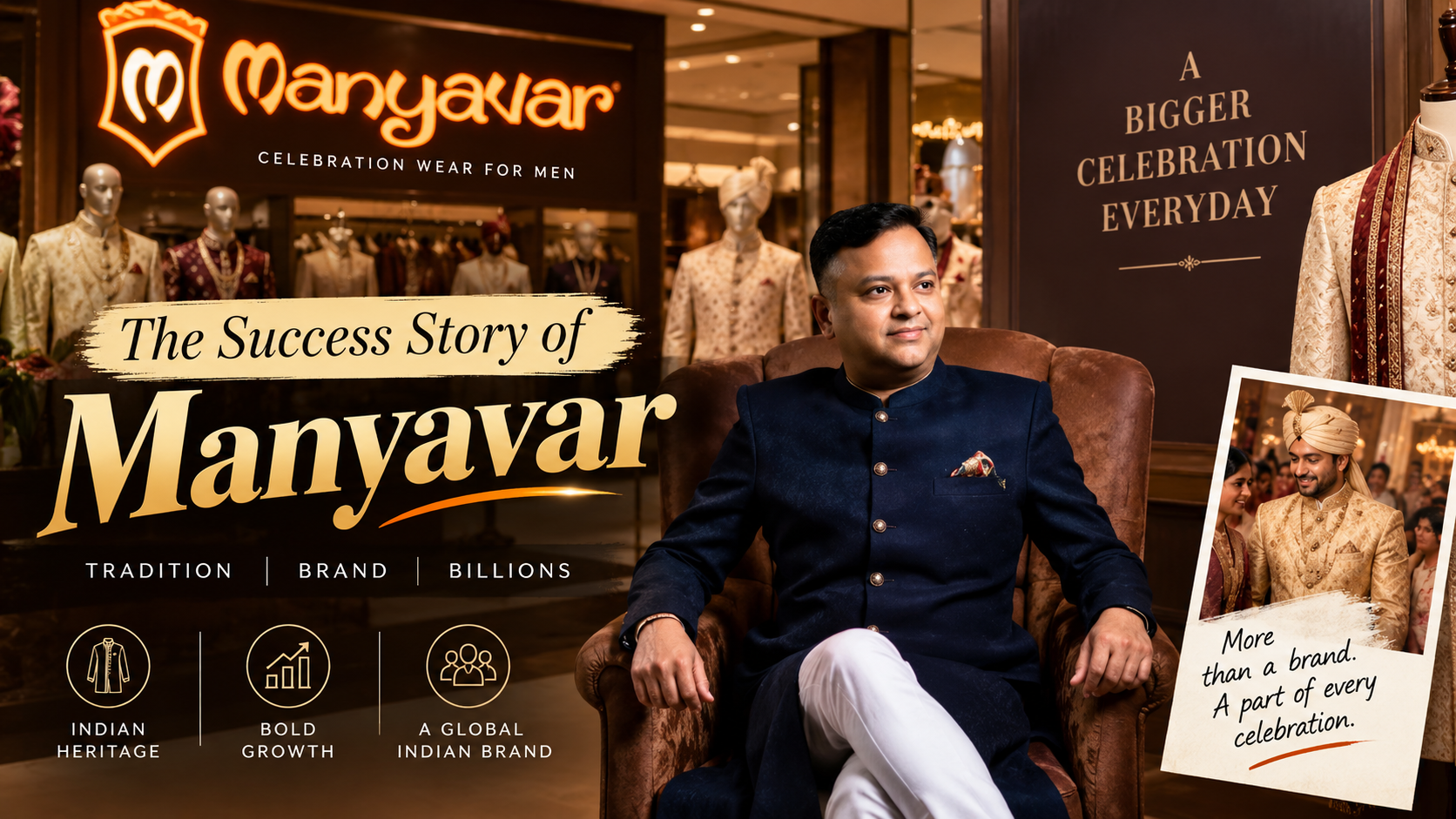
A business case study on Ravi Modi and Manyavar, showing how category focus, multi-brand distribution, disciplined expansion and celebration-led positioning…
Read More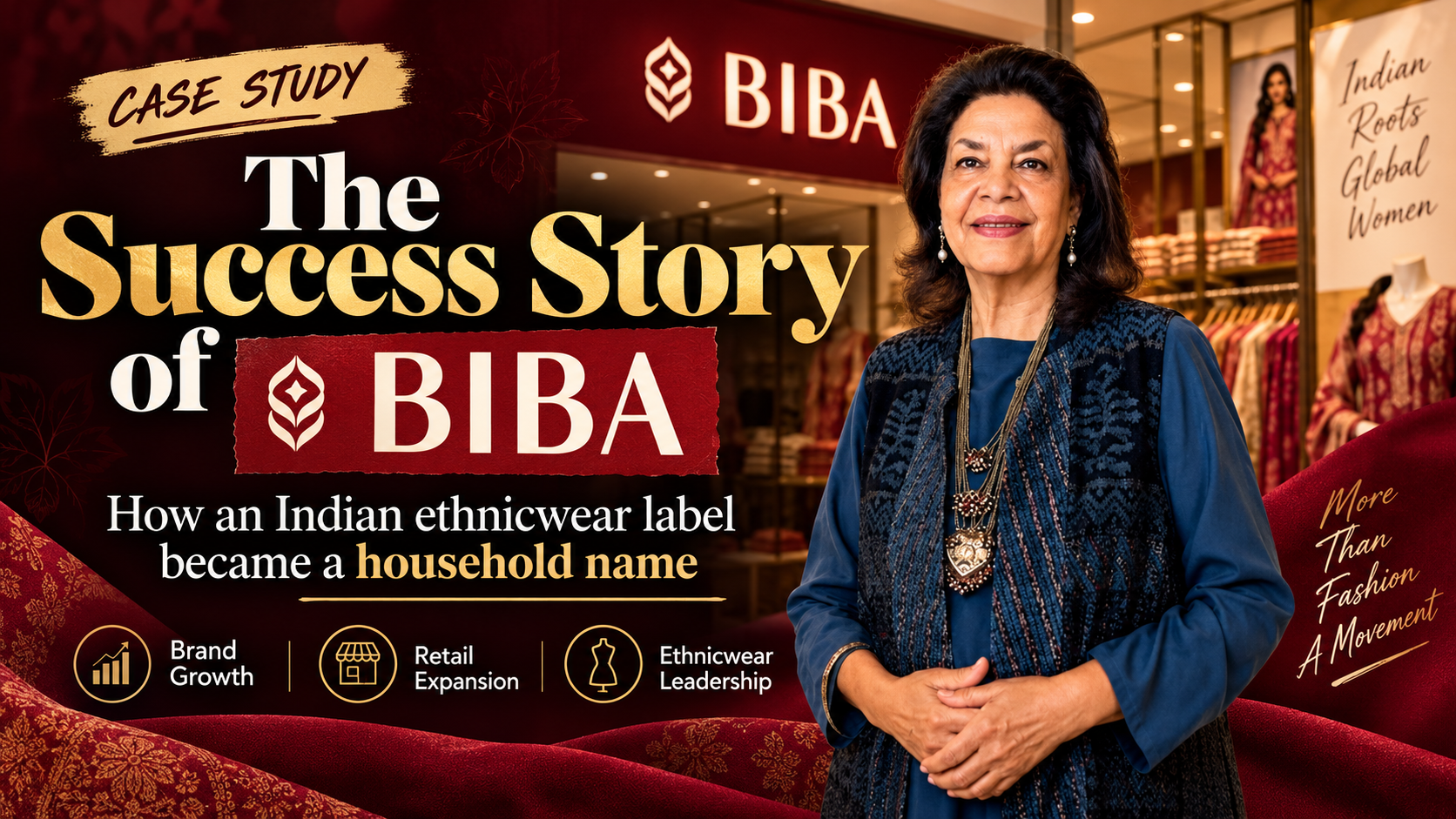
A business case study on Meena Bindra and BIBA, covering the journey from a small home-based salwar-kameez business to wholesale…
Read More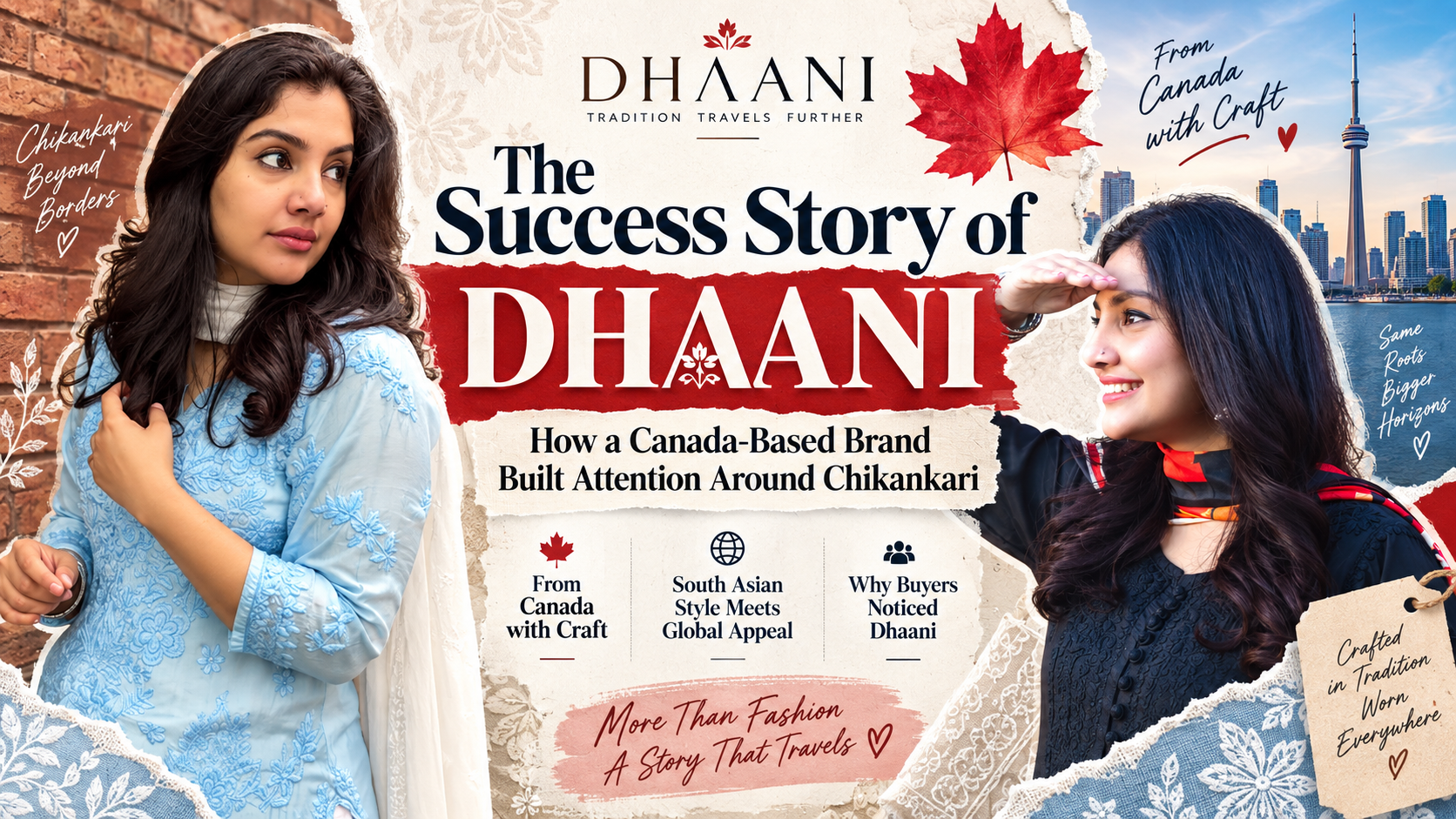
A case study on Ayesha Azeem’s Dhaani and what Chikankari and ethnicwear businesses can learn about diaspora demand, creator-led commerce,…
Read More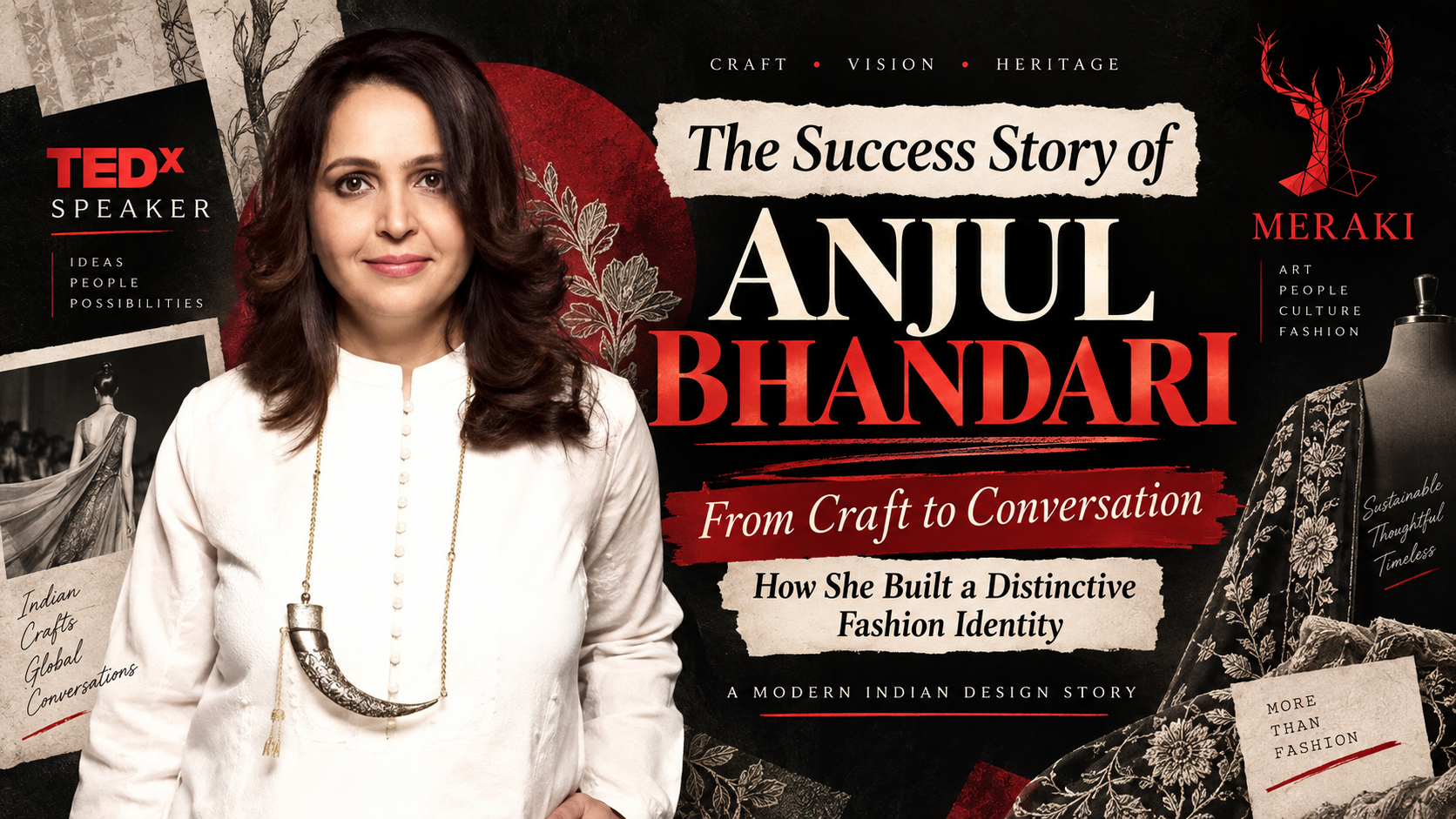
A case study on Anjul Bhandari and how a designer can build a premium craft identity around Chikankari, Kaamdani and…
Read MoreDon't have an account yet? Sign up
No items in your cart. Go on, fill it up with something you love!
Start Shopping Now