
A business case study on Suta, Sujata Biswas and Taniya Biswas, showing how storytelling, community, accessible design and direct-to-consumer retail…
Read MoreAuthentic Lucknow Chikankari | Wholesale | Manufacturing | Private Label SHOP NOW
This page is for importers, distributors, sourcing companies and wholesale procurement teams that need a structured way to source Lucknow Chikankari for resale across stores, dealers, retailers or regional networks.
Import and distribution buying is different from a one-time wholesale purchase. You need control over product specifications, commercial quantities, size and colour breakdowns, documentation inputs, quality consistency, packing, shipment planning and repeatability. This page is organised around those requirements.
Product ranges should be broad enough for distribution but structured enough to control SKU count, size depth and working capital.
Importers need reliable style references, measurements, fabric information, pack contents and other product data for ordering, customs and downstream selling.
Bulk buying requires an agreed product benchmark and clear packing instructions so problems are identified before goods enter the distribution chain.
When a style sells, exact product references, approved measurements, fabric and sample records are essential for discussing repeat production or the closest viable replacement.
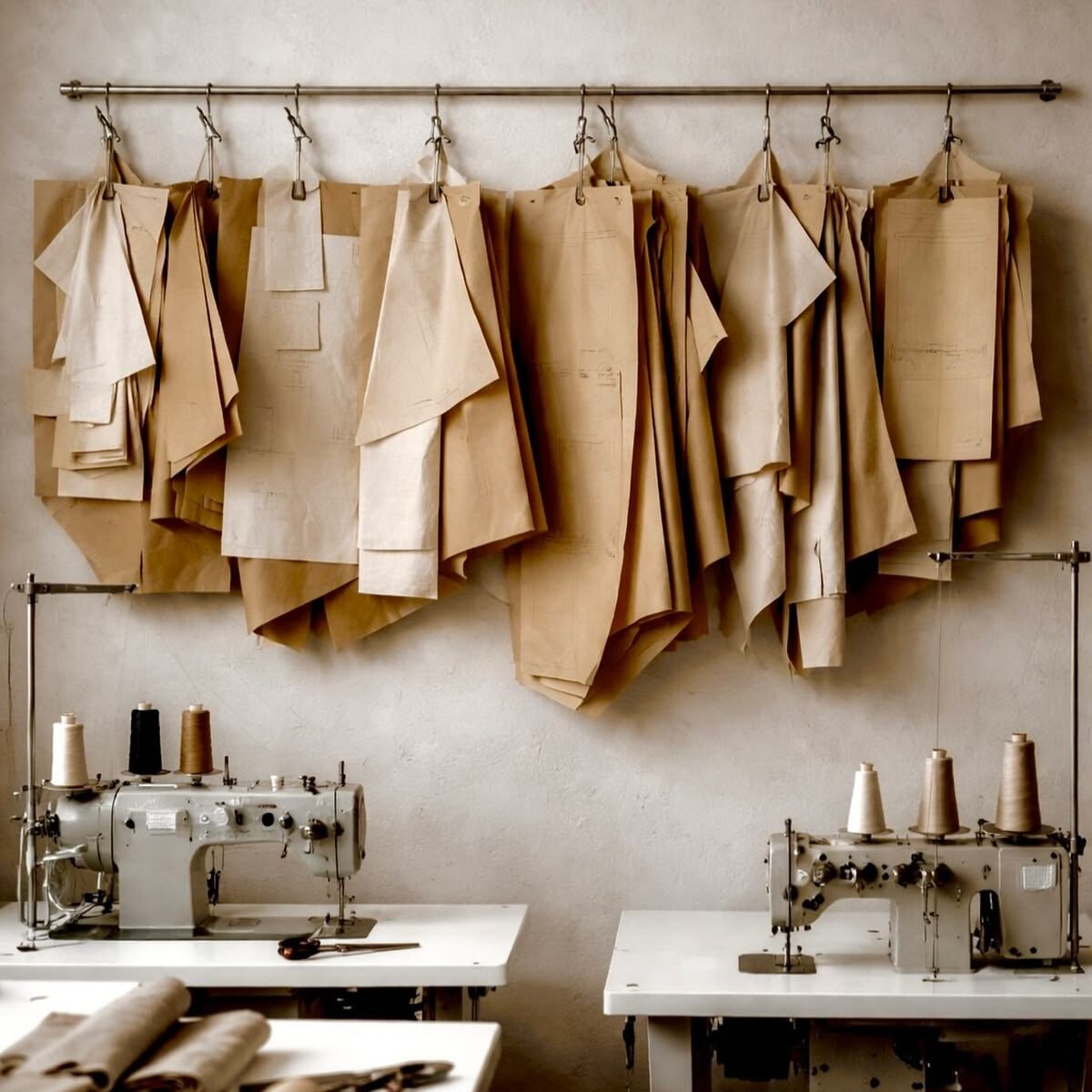
Before selecting products, define where the goods will be sold and how they will move through your network.
Share:
This makes it easier to build a distribution-ready assortment instead of sending a generic catalogue with no relation to your market.
Useful for testing a market, filling immediate gaps or buying from currently available styles without a development cycle.
For importers building commercial quantities from available wholesale products with planned size, colour and SKU depth.
For buyers requiring specific changes in fabric, colour, silhouette, sizing, embroidery, construction or market-specific product requirements.
For importers or distributors developing products under their own brand, approved size chart, labels, packaging and product specification.
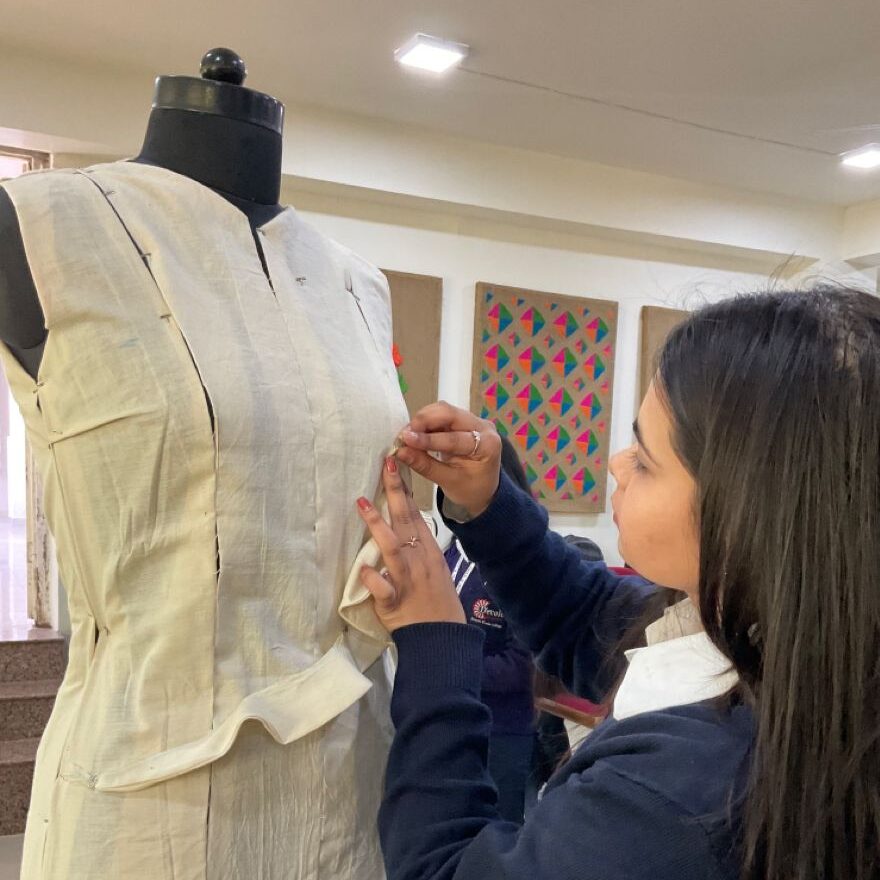
For importing and distribution, the garment and the product record must agree. Before finalising a bulk order, confirm the actual product specification and the information that will follow it through your business.
Useful fields include:
HS or tariff classification should be validated for the actual product by the importer or customs professional rather than assumed from a generic Chikankari description.
A distribution assortment can be built around one specialist category or a broader commercial mix. Depending on actual availability and production feasibility, buyers can discuss:
For distribution, assortment breadth should be balanced against SKU complexity, minimum quantities, size depth, cash tied in inventory and the needs of downstream retailers.
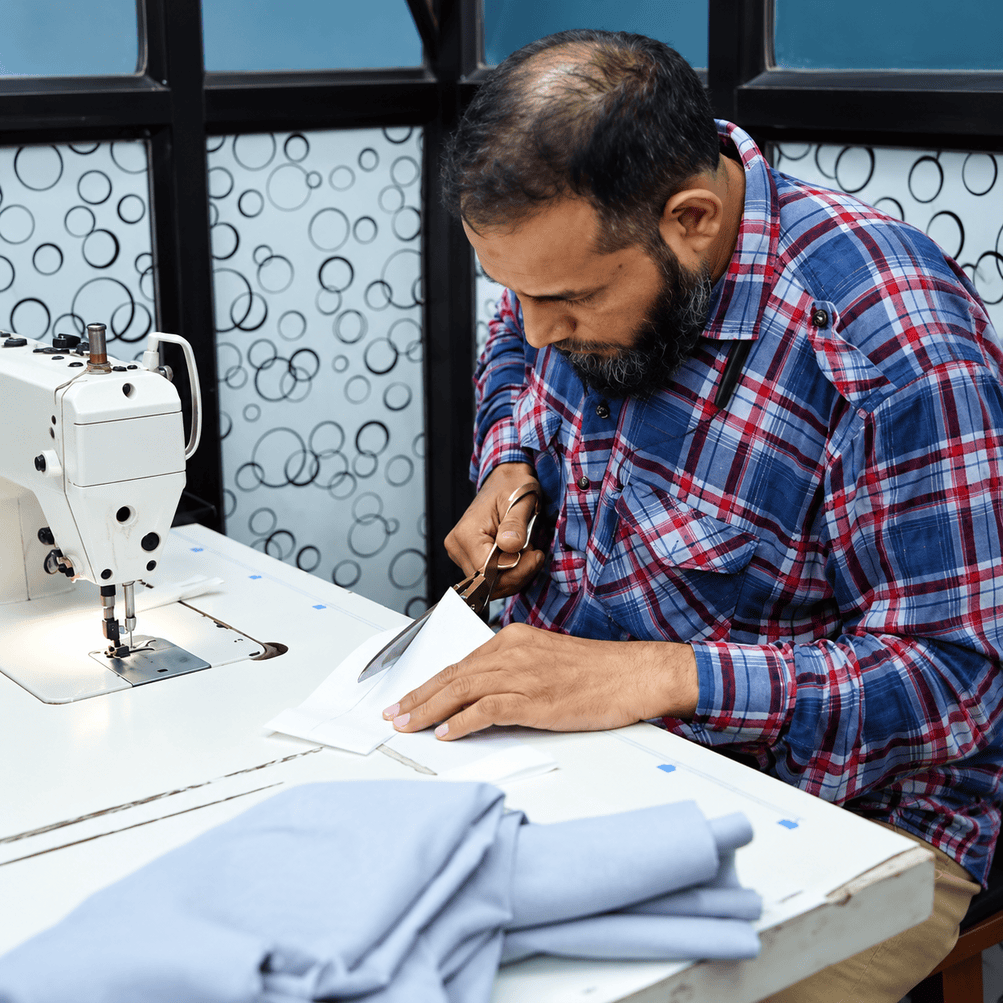
For a new supplier relationship, a sample or controlled pilot order can reduce risk before committing to a larger programme.
Use approval to check:
Keep the approved sample, measurement sheet, SKU reference and any buyer-supplied label or packaging specification. These become the reference for bulk QC and future reorders.
Private-label distribution should start with a defined commercial brief rather than only adding a logo to an existing garment.
Depending on the project and production feasibility, buyers can discuss:
Exact MOQ, branding scope, packaging options, sampling cost and production timeline are project-specific and must be confirmed before order finalisation.
Market, customer, channels, categories, quantity, size range, price position, shipping destination and timeline.
Confirm product, fabric, embroidery, measurements, quantities, customisation, packing and commercial data requirements.
Approve product quality, size, labels, pack method and other agreed requirements before larger production where applicable.
Produce or allocate goods against the approved specification, complete QC, reconcile quantities and prepare shipment documents and packing as agreed.
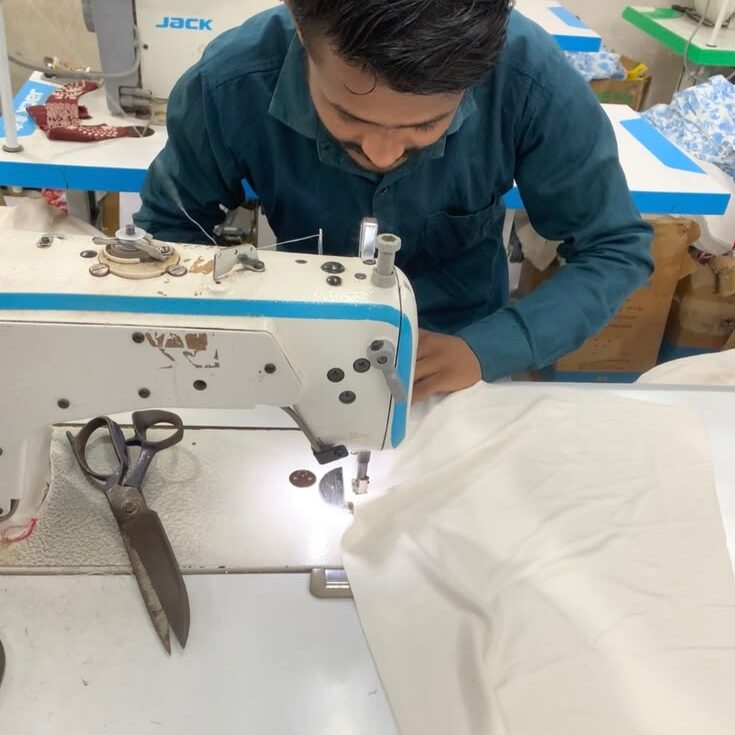
The importer’s downstream operation often depends on details that are invisible in the garment itself. Before dispatch, define what information and packing structure your warehouse, retailers or dealers actually need.
Consider:
These details should be agreed against actual feasibility. Do not assume every labelling, barcode, packing or documentation format is included in every wholesale order.
A first import should generate useful market data without creating unnecessary SKU complexity. Structure the assortment intentionally.
Commercially accessible products that can support wider distribution and generate dependable demand data.
Allocate more depth to the categories, sizes, colours or price points most relevant to the destination market and retailer base.
Use a controlled share of stronger embroidery, premium fabrics or distinctive products to give retailers a higher-value offer without overloading inventory.
Importers should calculate the commercial order on a landed-cost basis rather than comparing supplier prices alone.
Depending on the transaction, landed cost can include product value, freight, insurance where applicable, customs duty, import tax or VAT/GST, brokerage or clearance fees, port or courier charges and domestic delivery.
Before shipment, confirm the agreed commercial terms, shipping method, consignee / importer details and who is responsible for destination customs clearance. Duty, tax, documentary and product-compliance requirements vary by destination and product classification, so they should be validated by the importer or customs professional for the actual shipment.
Published universal duty rates or fixed international freight promises are avoided because they can misstate the real cost of a specific consignment.
Distribution orders need a stronger record trail than a one-time purchase. Preserve the approved sample, SKU, fabric, colour, embroidery reference, measurement chart, labels and packing specification.
For bulk QC, agree what will be checked and how deviations will be handled before production or dispatch. Handmade Chikankari can contain natural variation, so distinguish acceptable craft variation from defects or specification failures.
For reorders, reference the original product records rather than relying on screenshots or informal descriptions. Exact repeats can still depend on fabric, dye lot, handmade work and production availability, so repeatability should be reconfirmed before downstream commitments are made.
Feedback from boutiques, retailers, resellers, importers and fashion businesses that have sourced Chikankari from us.
Boutique / Retail Buyer

Boutique Owner Canada
Repeat Wholesale Buyer

Brand Owner USA
Private Label / International Buyer

Brad Owner Lucknow
Practical guides for boutiques, retailers, resellers, importers and fashion brands covering Chikankari sourcing, authenticity, fabrics, pricing, MOQ, manufacturing, quality control, private label and international wholesale buying.
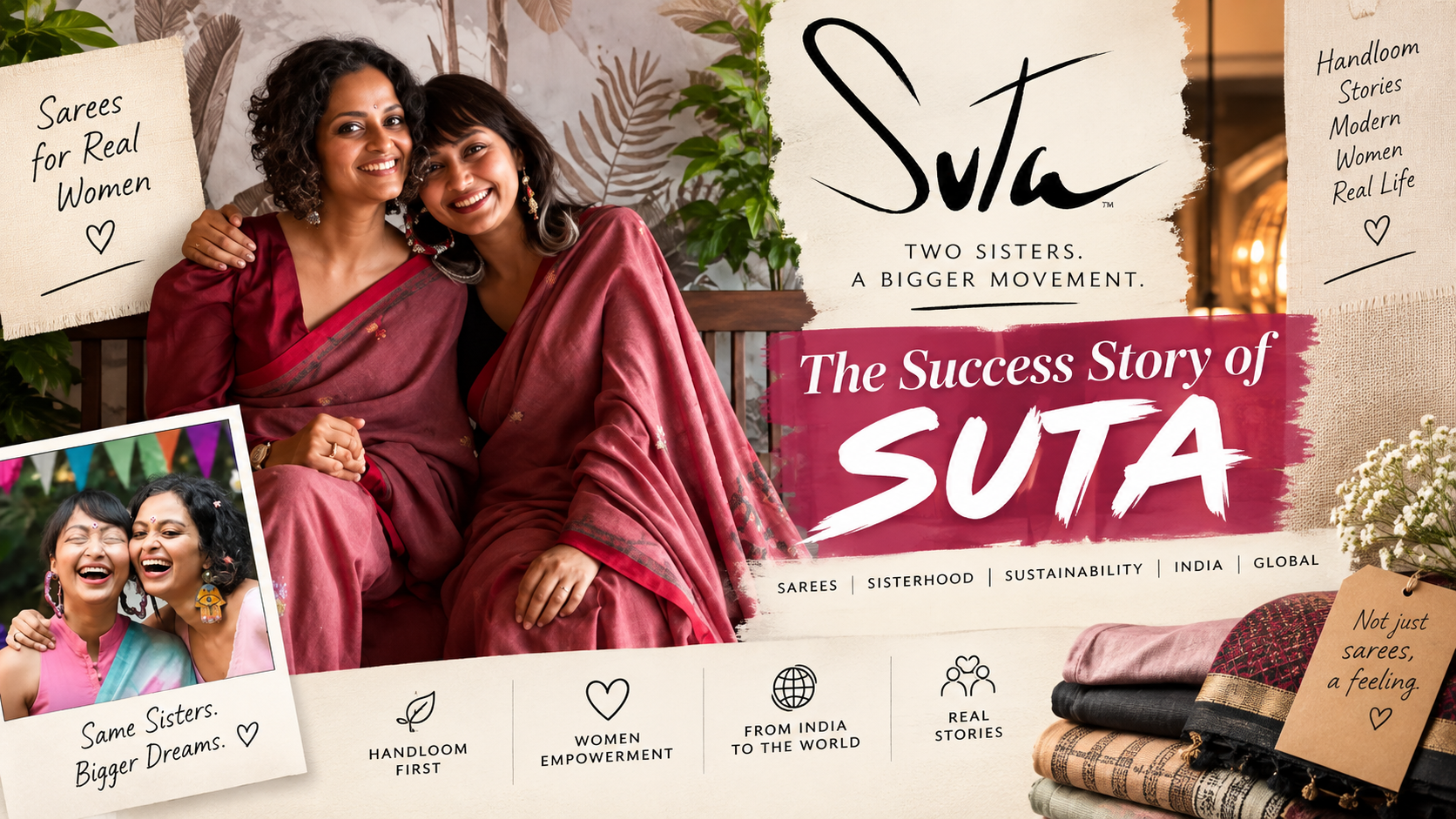
A business case study on Suta, Sujata Biswas and Taniya Biswas, showing how storytelling, community, accessible design and direct-to-consumer retail…
Read More
A business case study on Libas and Sidhant Keshwani, covering online-first ethnicwear growth, repeatable product-market fit, pricing, merchandising, marketplace scale…
Read More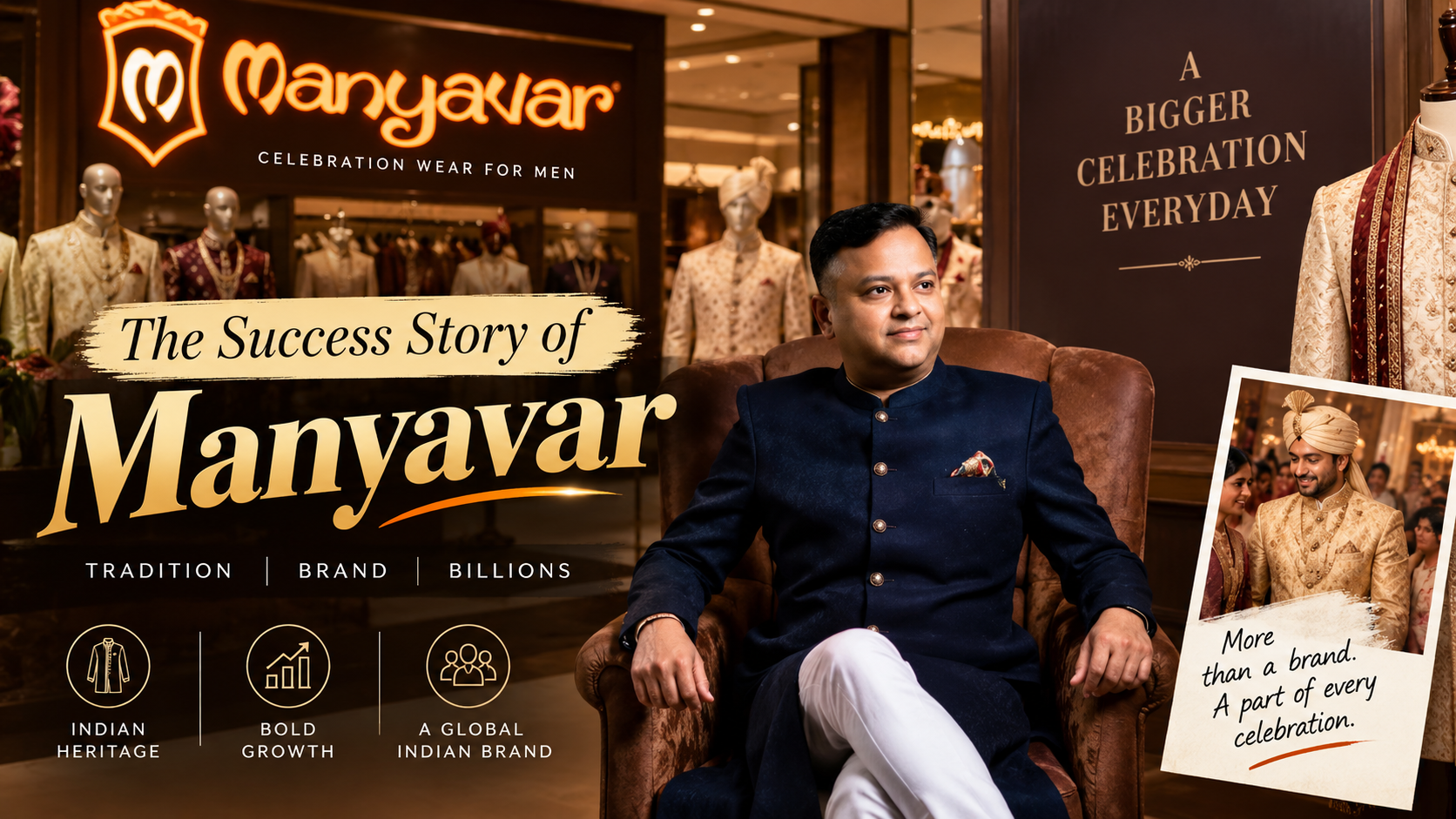
A business case study on Ravi Modi and Manyavar, showing how category focus, multi-brand distribution, disciplined expansion and celebration-led positioning…
Read More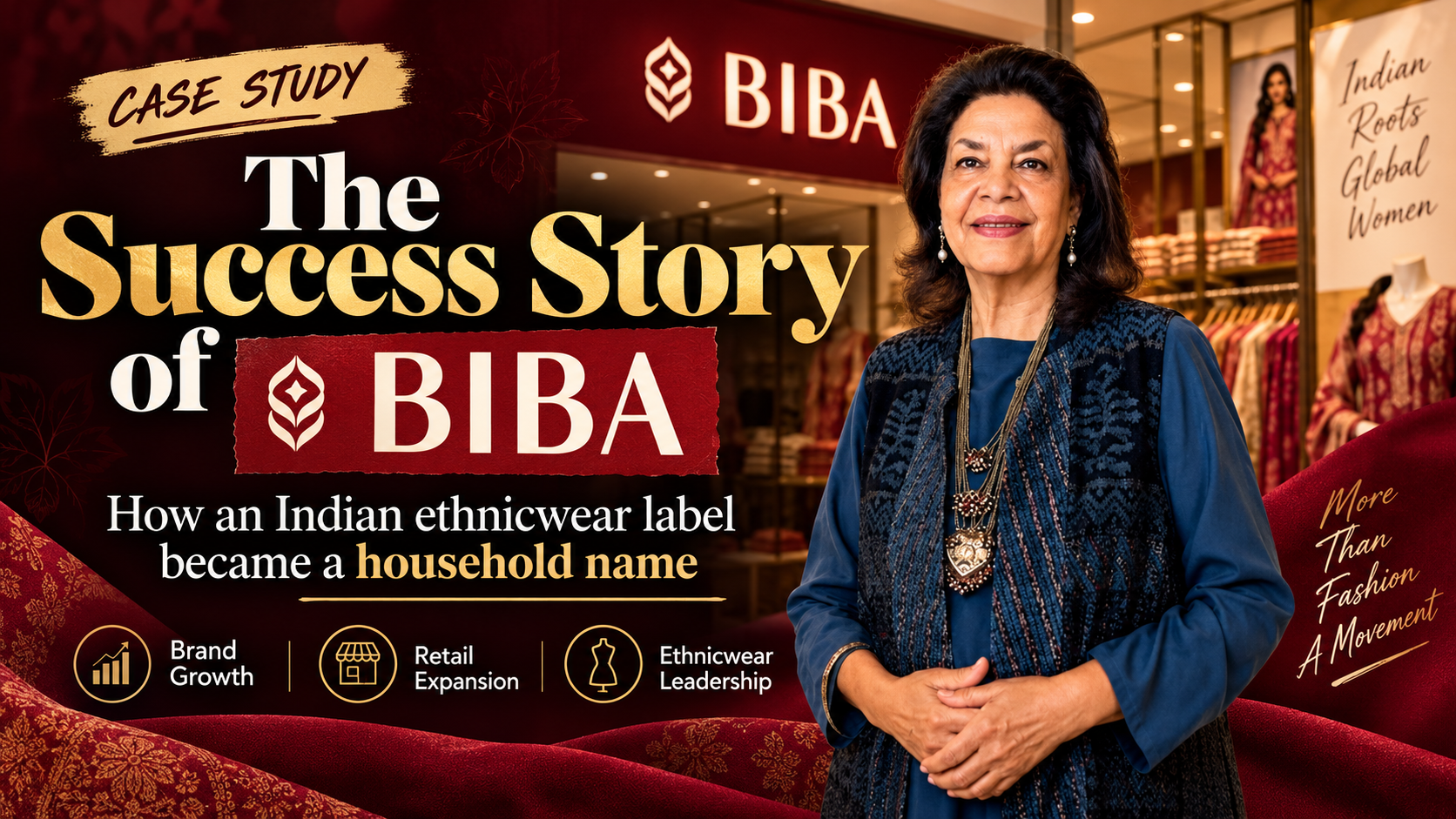
A business case study on Meena Bindra and BIBA, covering the journey from a small home-based salwar-kameez business to wholesale…
Read More
A case study on Ayesha Azeem’s Dhaani and what Chikankari and ethnicwear businesses can learn about diaspora demand, creator-led commerce,…
Read More
A case study on Anjul Bhandari and how a designer can build a premium craft identity around Chikankari, Kaamdani and…
Read MoreDon't have an account yet? Sign up
No items in your cart. Go on, fill it up with something you love!
Start Shopping Now