Authentic Lucknow Chikankari | Wholesale | Manufacturing | Private Label SHOP NOW

Authentic Lucknow Chikankari | Wholesale | Manufacturing | Private Label SHOP NOW
UAE & GCC B2B CHIKANKARI SOURCING
Source Lucknow Chikankari from India for the UAE & GCC
For importers, distributors, boutiques, multi-brand retailers, ecommerce sellers, resellers, exhibition businesses and fashion brands sourcing Chikankari for the UAE and wider GCC.
ChikankariWholesale.com is based in Lucknow, Uttar Pradesh, India. This page is designed to help Gulf-region buyers evaluate wholesale sourcing, ready stock, custom manufacturing, private label, climate-appropriate fabrics, festive assortments, sizing, sampling, import planning and repeat ordering before placing a commercial order.
Who This UAE & GCC Sourcing Page Is For
Importers & Distributors
For businesses importing Chikankari into the UAE or GCC for wholesale distribution, multi-store supply or regional resale.
Boutiques & Retailers
For boutiques, ethnicwear stores and multi-brand retailers sourcing curated kurtas, sets, sarees, dresses, dupattas and occasion-led products.
Fashion Brands & Private Label
For Gulf-based brands developing their own Chikankari collection with defined fabric, silhouettes, colours, sizing, branding and packaging requirements.
Exhibitors, Resellers & Ecommerce Sellers
For exhibition vendors, pop-ups, trunk shows, social-commerce businesses and online sellers that need high-conversion assortment planning.
Why Gulf Buyers Source Chikankari from Lucknow
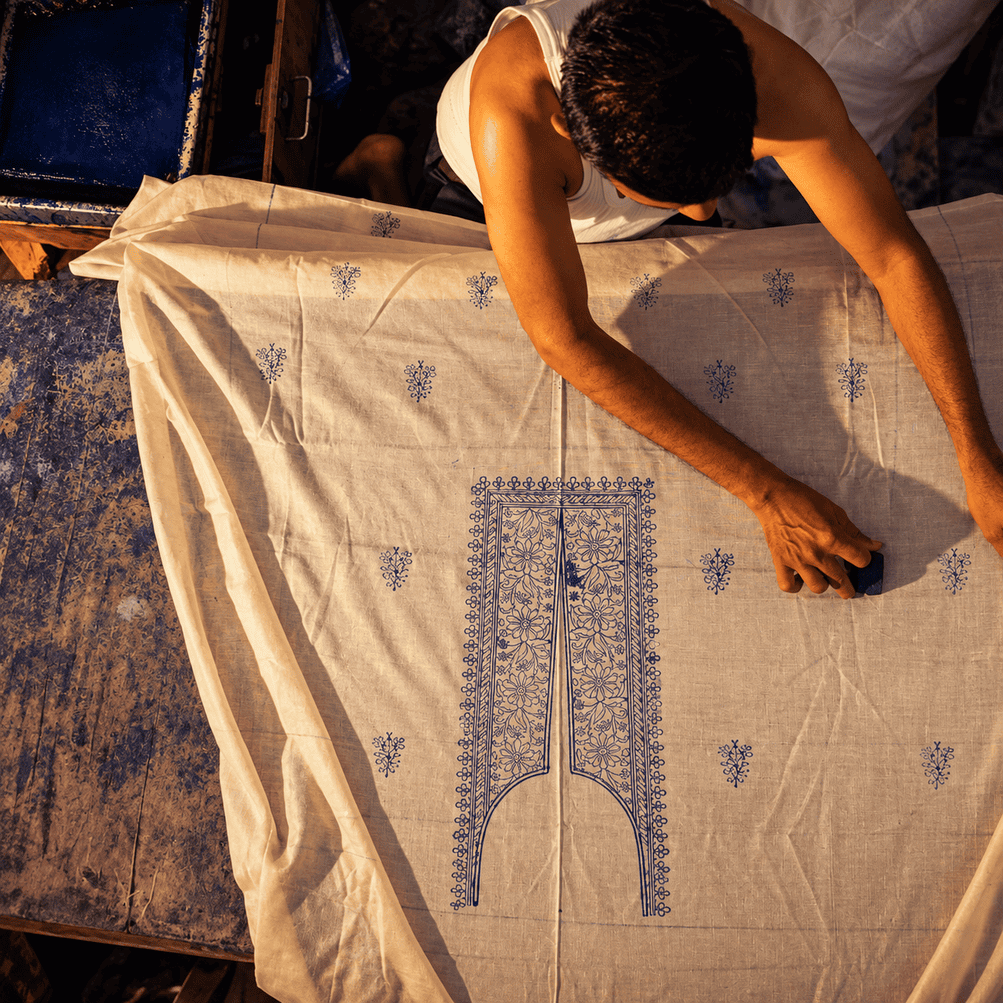
Lucknow is the historic centre most closely associated with Chikankari. For Gulf buyers, direct sourcing from Lucknow can make it easier to evaluate the embroidery, fabrics, workmanship and manufacturing specifications behind the finished product.
Commercially, the advantage comes from defining the product clearly: fabric, embroidery method, stitch character, silhouette, modesty requirements, measurements, colour, finishing and quantity. These specifications are especially important when supplying a market where everyday ethnicwear, festive dressing, gifting and occasion-led demand can sit side by side.
What UAE & GCC Buyers Can Source
Women’s Chikankari
Kurtis, kurtas, kurta sets, suit sets, dresses, co-ords, tops, sarees, dupattas, lehengas and bottoms for everyday, festive and premium retail.
Men’s Chikankari
Men’s kurtas, kurta-pajama sets, shirts and related products for festive wear, wedding functions and contemporary ethnic dressing.
Fabric & Unstitched
Chikankari fabric, unstitched kurta or suit pieces and other fabric-led requirements for businesses that stitch, customise or finish products locally.

Plan Fabrics & Silhouettes for Gulf Climate and Customer Use
For the UAE and many Gulf markets, breathable and easy-to-layer fabrics can be commercially important for daywear, while richer fabrics and denser work can serve weddings, Eid, Ramadan gatherings, gifting and occasion-led retail.
- Everyday and warm-weather: cotton, Mulmul, Muslin and suitable lightweight modal/rayon qualities can support softer, breathable products.
- Modest dressing: buyers may prefer longer lengths, controlled transparency, full or longer sleeves and coordinated bottoms or dupattas.
- Festive and premium: Chanderi, Georgette and selected premium bases can support stronger embroidery and occasion positioning when the fabric can carry the work.
- Exhibition assortment: combine commercially accessible repeat sellers with a smaller number of strong visual pieces for display.
These are assortment directions, not assumptions about every Gulf customer. Final buying should be based on your own audience, city, selling channel and price point.
Choose the Right Sourcing Model
Ready Stock
For buyers who need existing styles, faster selection or stock for an upcoming exhibition or retail window.
Curated Wholesale
For boutiques and resellers building a selective assortment from available products across categories and price points.
Custom Manufacturing
For buyers requiring defined changes in fabric, colour, sleeve, length, neckline, sizing, embroidery or product construction.
Private Label
For Gulf-region brands developing products around their own approved size chart, label, packaging and brand specification.
Sizing & Product Specification for UAE and GCC Buyers
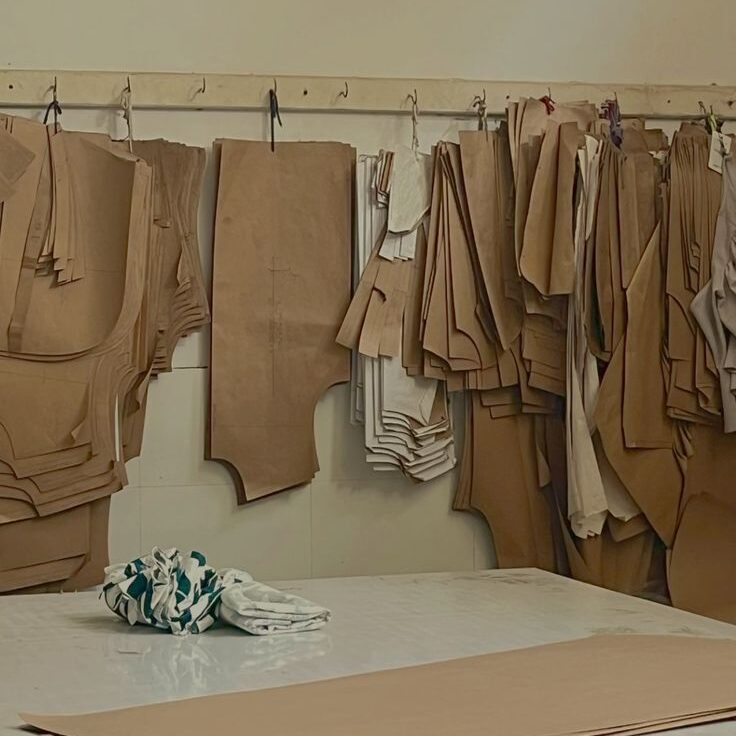
Size labels are not universal across brands or markets. For wholesale selection, buyers should review actual garment measurements rather than assuming that S, M, L or numerical sizes match their current customer base.
For custom or private-label work, provide your own target-market size chart where possible. Also specify modesty-related product requirements directly—such as garment length, sleeve length, neckline depth, transparency or lining—rather than relying on broad terms such as ‘Gulf fit’ or ‘modest fit’.
Approve the physical sample before bulk production whenever fit and market-specific proportions are commercially important.
UAE Import Planning: Customs, VAT & India–UAE CEPA
For imports into the UAE, the official UAE customs framework generally applies a 5% customs duty on foreign goods, calculated on the applicable customs value, while the UAE’s standard VAT rate is 5%. The importer is responsible for the import-side customs and VAT treatment.
India and the UAE also have the India–UAE Comprehensive Economic Partnership Agreement (CEPA). The agreement provides tariff elimination or reduction across a large number of tariff lines, but preferential treatment is not automatic for every Chikankari garment. The exact HS classification, originating status and required proof of origin must be checked for the product being imported.
For GCC destinations outside the UAE, customs, VAT and local regulatory requirements should be confirmed country by country. Do not apply the UAE VAT treatment to Saudi Arabia, Qatar, Oman, Kuwait or Bahrain by assumption.
Landed cost should include: product value, freight, insurance where applicable, customs duty after any valid preferential treatment, import VAT/tax, clearance or brokerage charges and final delivery.
Textile Compliance & Labelling: Do Not Treat the Gulf as One Rulebook
The UAE Ministry of Industry and Advanced Technology lists a UAE Scheme for the Control of Textile Products, and the GCC Standardization Organization maintains technical standards for ready-made woven and knitted garments.
For commercial buying, labelling and conformity should be checked before bulk labels or packaging are printed. Buyers should confirm the applicable requirements for the destination country, product type and selling channel, including any rules relating to fibre composition, country of origin, care instructions, language, product safety and importer or dealer information.
A UAE-compliant label should not automatically be assumed to satisfy every other GCC market. The importer or local compliance adviser should validate the final label and documentation for the destination.
What to Approve Before a UAE or GCC Shipment
- Final style/SKU list and quantity by size and colour
- Fabric identity and composition
- Embroidery type, density, placement and approved quality reference
- Garment measurements, length, sleeve and lining requirements
- Brand, size, fibre, care and country-of-origin labels as required by destination
- Commercial invoice description and agreed product references
- HS/tariff classification information required by the importer or broker
- Proof-of-origin documentation where CEPA preference is being claimed
- Carton count, gross/net weight and packing list
- Shipping method, consignee, importer of record and customs-clearance arrangements
Exact freight cost, duty, VAT/tax, transit time and clearance fees should be confirmed against the final order and destination.
A Practical Gulf-to-Lucknow Sourcing Workflow
- Share the buyer brief: country/city, business type, product categories, approximate quantity, target retail position and sales channel.
- Select the sourcing model: ready stock, curated wholesale, custom manufacturing or private label.
- Shortlist fabric and assortment: choose silhouettes, modesty requirements, colours, fabric direction and embroidery level.
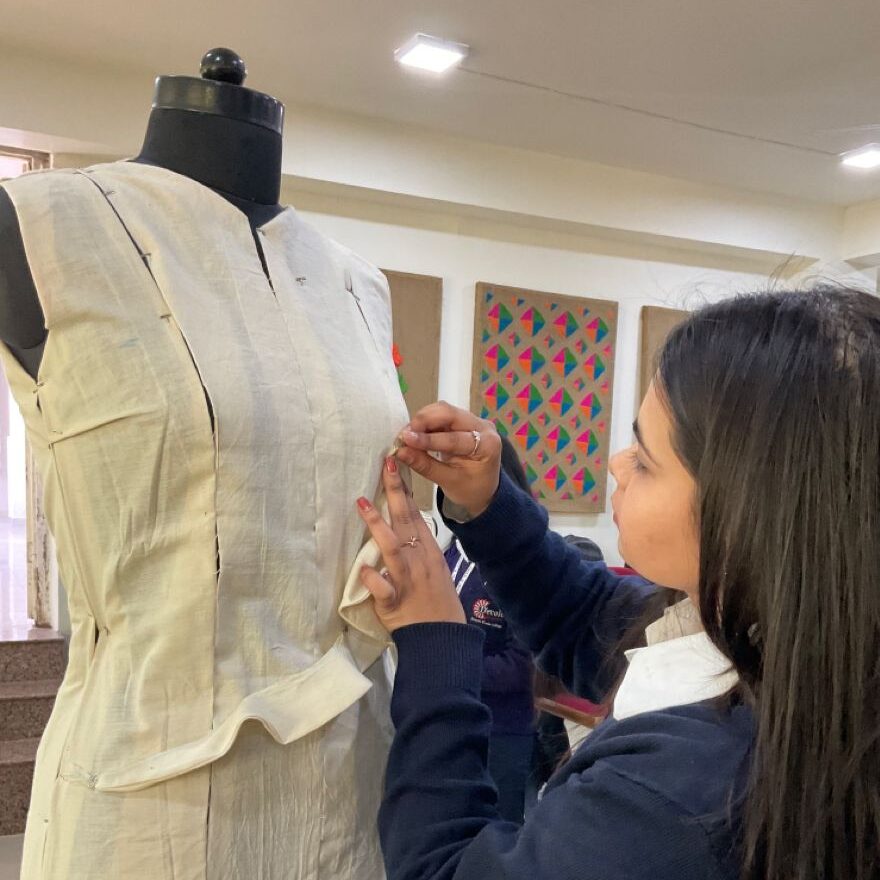
- Review samples: confirm fabric, embroidery, fit, measurements and finishing before scaling custom products.
- Lock destination requirements: labels, product information, packaging, importer documentation and any origin documents.
- Confirm commercial order: quantity, price, payment terms, production/dispatch estimate and shipping method.
- Import and clear: importer or customs broker handles destination classification, duty, VAT/tax, clearance and local release.
- Track sell-through and reorder: preserve SKU, fabric, measurement and sample references for repeat buying.
Sourcing for Dubai, Abu Dhabi, Sharjah & the Wider GCC
ChikankariWholesale.com does not claim a UAE or GCC office or warehouse. The business is based in Lucknow, India, and this page is intended for B2B buyers sourcing into the Gulf.
UAE buyers may be based in Dubai, Abu Dhabi, Sharjah or other emirates, while wider GCC enquiries may come from Saudi Arabia, Qatar, Oman, Kuwait or Bahrain. Product mix, sizing, regulatory requirements, taxes and commercial strategy can differ substantially between these markets.
Rather than creating thin location pages, the recommended approach is to share the actual country, customer segment, sales channel and product requirement so the sourcing plan can be built around a real commercial brief.
Chikankari Wholesale UAE & GCC FAQs
Yes. UAE-based importers, boutiques, retailers, resellers, ecommerce sellers and fashion brands can source Chikankari from India. Product specifications, importer arrangements, customs classification, labels and shipping should be confirmed for the actual order.
No. ChikankariWholesale.com is based in Lucknow, Uttar Pradesh, India. This is a B2B sourcing page for UAE and GCC buyers and does not imply a Gulf office, warehouse or local entity.
B2B enquiries can be reviewed for boutiques, retailers, exhibition sellers, resellers, ecommerce businesses, importers and brands. Product availability, quantity, pricing and shipping are confirmed against the specific enquiry.
Private-label requirements can be reviewed based on fabric, embroidery, silhouette, sizing, modesty requirements, branding, packaging, quantity and production feasibility. An approved sample is recommended before bulk production.
MOQ is not one universal number. It can vary by product, ready-stock availability, fabric, embroidery, customisation and production model. The applicable MOQ should be confirmed on the quotation for the actual requirement.
Freight depends on shipment weight and dimensions, service level, destination, courier or cargo route and commercial terms. Shipping should be quoted against the final packed shipment rather than treated as a fixed country-wide rate.
The UAE’s general customs framework applies a 5% duty on many foreign goods, but the actual treatment depends on the HS classification and any valid exemption or preferential tariff. India–UAE CEPA can provide preferential treatment for qualifying originating products, subject to the applicable tariff line and proof-of-origin rules.
The UAE standard VAT rate is 5%, and import VAT can apply to imported taxable goods. The importer should confirm the accounting and payment treatment based on its UAE VAT registration and the specific transaction.
No. The GCC has a customs-union framework, but VAT, local import procedures, product rules and documentation differ between member states. UAE guidance should not be copied automatically to Saudi Arabia, Qatar, Oman, Kuwait or Bahrain.
Yes. Sampling is useful for evaluating fabric, embroidery, measurements, fit, opacity, lining, modesty requirements and finishing, particularly for custom manufacturing or private-label development.
Custom product requirements such as garment length, sleeve length, neckline, lining and fit can be reviewed against the buyer’s brief and production feasibility. These should be specified by measurements rather than broad labels alone.
Send your country/city, business type, product categories, approximate quantity, sourcing model, preferred fabrics or styles, target price position and required timeline. For custom work, include reference images, size charts or a tech pack where available.