
A business case study on Suta, Sujata Biswas and Taniya Biswas, showing how storytelling, community, accessible design and direct-to-consumer retail…
Read MoreAuthentic Lucknow Chikankari | Wholesale | Manufacturing | Private Label SHOP NOW
This page is for sourcing agents, buying offices, procurement consultants and buyer representatives who need to identify, evaluate and coordinate Chikankari sourcing in Lucknow on behalf of boutiques, retailers, importers, distributors or fashion brands.
A sourcing agent needs more than a catalogue. You need clear supplier communication, product matching, specification control, sample coordination, QC references, packing inputs and a documented handover to the end buyer. This page is structured around that workflow.
Buyer references need to be translated into workable products based on fabric, silhouette, embroidery, measurements, quantity and target price.
Sourcing agents need quick clarity on what can be supplied as ready stock, what needs development, and what remains subject to MOQ, sampling or material availability.
Approved samples, measurements and inspection points should create a clear benchmark that both supplier and end buyer can reference.
Style references, product details, status updates and approved changes should be documented clearly enough for the sourcing agent to report back to the buyer without ambiguity.
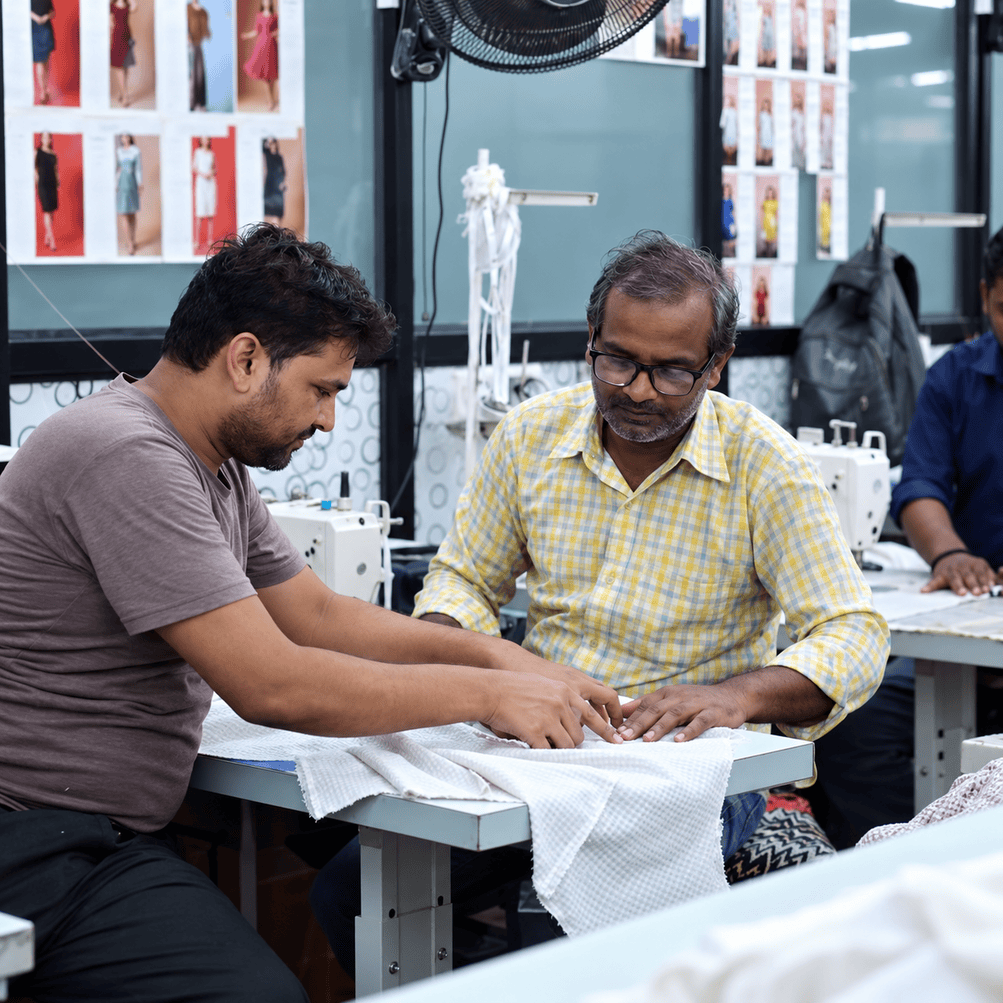
The first job is to separate what the end buyer actually requires from what is only inspiration. A sourcing brief should make the commercial requirement measurable.
Share:
When the brief is incomplete, identify the missing decision instead of allowing the supplier to guess on behalf of the buyer.
For buyers who need quick availability and can select from existing products without development.
For buyers who need a market-relevant assortment from existing products rather than a broad generic catalogue.
For buyers whose references require changes in fabric, silhouette, measurements, embroidery, colour or construction.
For sourcing agents coordinating product development with the end buyer’s labels, size system, packaging and approved brand presentation.

Sourcing agents often receive reference images that leave critical manufacturing details undefined. Convert the reference into a structured comparison before presenting a product match to the buyer.
Compare:
When the proposed product differs from the buyer reference, state the difference clearly instead of presenting an approximation as an exact match.
Depending on the buyer brief, sourcing model and production feasibility, enquiries can cover categories such as:
The sourcing agent’s role is to narrow the right options for the buyer rather than forwarding every available SKU without qualification.
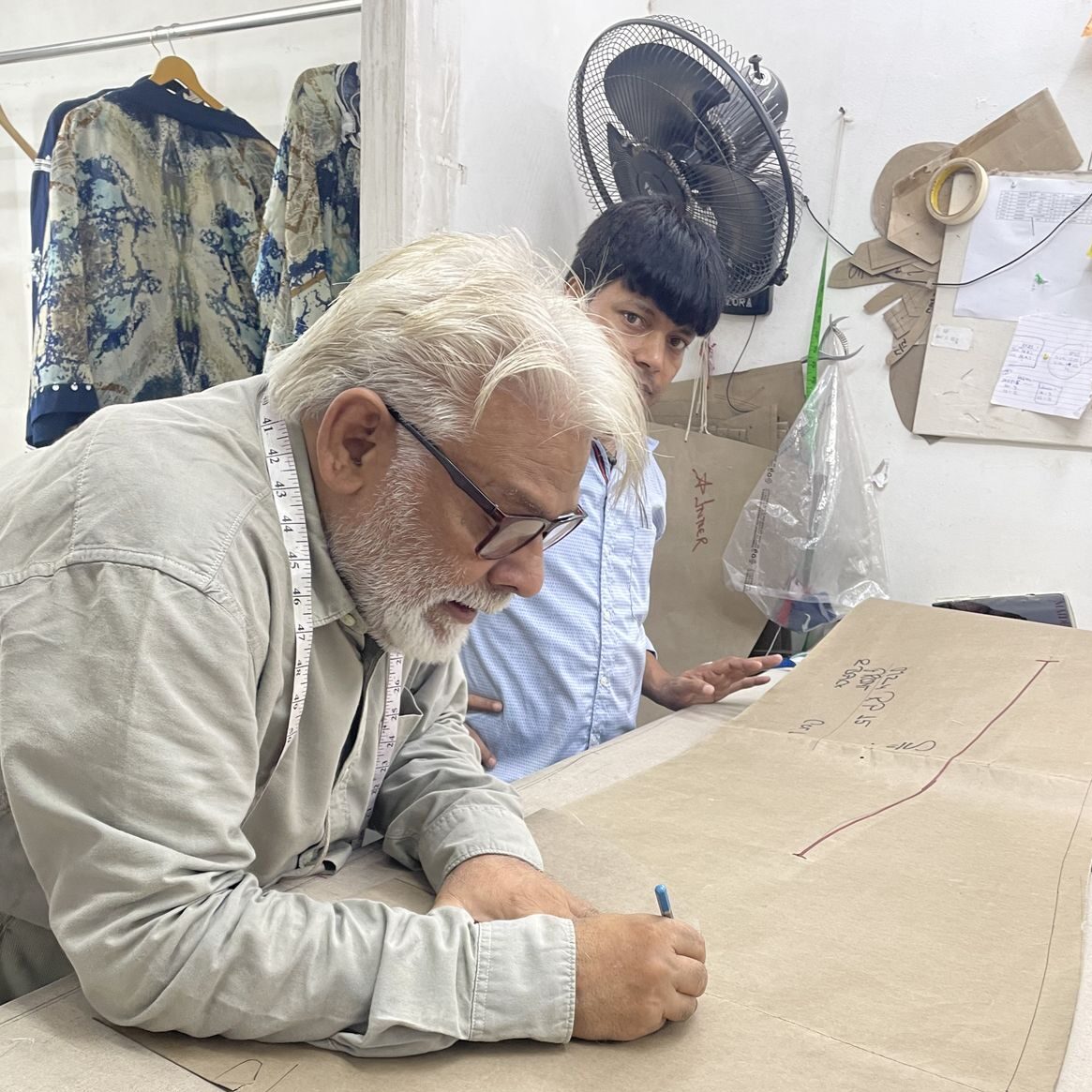
Sample coordination becomes difficult when the supplier, sourcing agent and buyer are all working from different screenshots or revision notes.
For each development, keep:
Once the buyer approves a sample, preserve that final version as the production and QC benchmark. If later changes are made, record them explicitly rather than relying on informal chat history.
When the sourcing agent is coordinating a private-label project, the end buyer’s brand requirements should be captured before bulk production.
Depending on the project and feasibility, coordinate:
Exact MOQ, label production, packaging options, artwork format, sample cost and production timing are confirmed for the actual project and quotation.
Capture market, product references, quantity, price position, measurements, labels, packing and timeline.
Compare ready options or development routes and identify where the proposed product differs from the original brief.
Coordinate samples, revisions, measurements, costing inputs and final buyer approval using controlled references.
Produce or allocate against the approved specification, complete QC and prepare buyer-ready packing and shipment information.
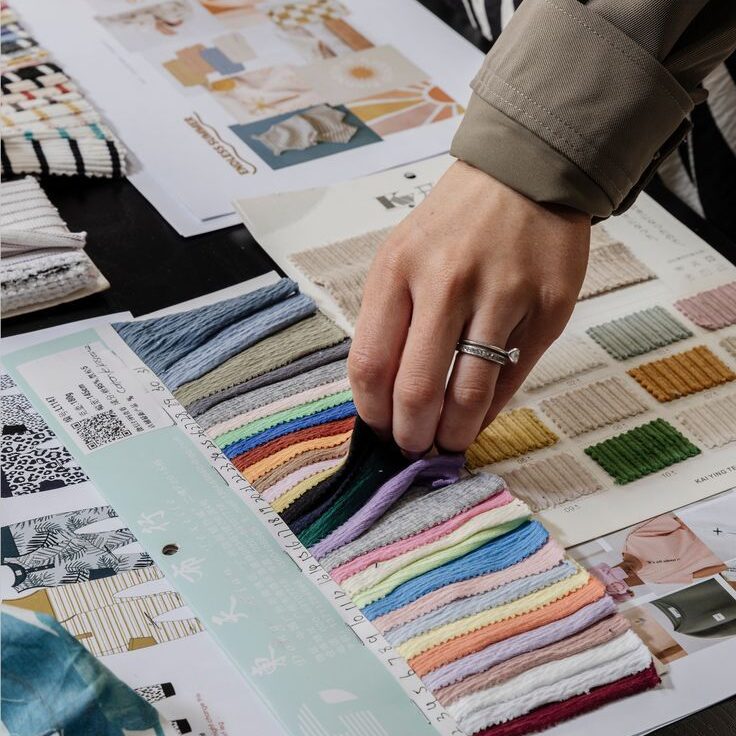
Before goods move, the sourcing agent should be able to reconcile what the buyer approved against what is being shipped.
Useful handover information can include:
Destination customs, tariff classification, import taxes and product-compliance obligations should be validated by the importer or buyer’s customs/compliance professional for the actual shipment.
A sourcing agent should distinguish between marketing claims and information that can be verified for the actual order.
Evaluate:
Do not present unverified supplier claims about capacity, certifications, export markets, artisan numbers or lead times to the buyer as established facts.
MOQ, sample cost, unit price and production timing can vary by product category, fabric, embroidery, colour count, sizing, customisation and quantity per style.
When the buyer changes a specification after costing or approval, treat the change as a commercial revision. Record what changed and reconfirm the effect on cost, sample status, quantity or timing where applicable.
Fixed MOQ, capacity, sample cost, unit price and lead time remain subject to confirmation for the specific sourcing project until quoted for the actual buyer requirement.
A sourcing agent creates more value when successful products can be identified and discussed again without restarting from zero.
Preserve the final style reference, approved sample, fabric, colour, embroidery, measurements, labels and packing instructions. For repeat orders, reconfirm fabric and production availability before the buyer commits future sales.
If the exact product cannot be repeated, the preserved specification makes it easier to source the closest viable replacement based on silhouette, fabric, embroidery level, price position and customer use case.
Feedback from boutiques, retailers, resellers, importers and fashion businesses that have sourced Chikankari from us.
Boutique / Retail Buyer

Boutique Owner Canada
Repeat Wholesale Buyer

Brand Owner USA
Private Label / International Buyer

Brad Owner Lucknow
Practical guides for boutiques, retailers, resellers, importers and fashion brands covering Chikankari sourcing, authenticity, fabrics, pricing, MOQ, manufacturing, quality control, private label and international wholesale buying.
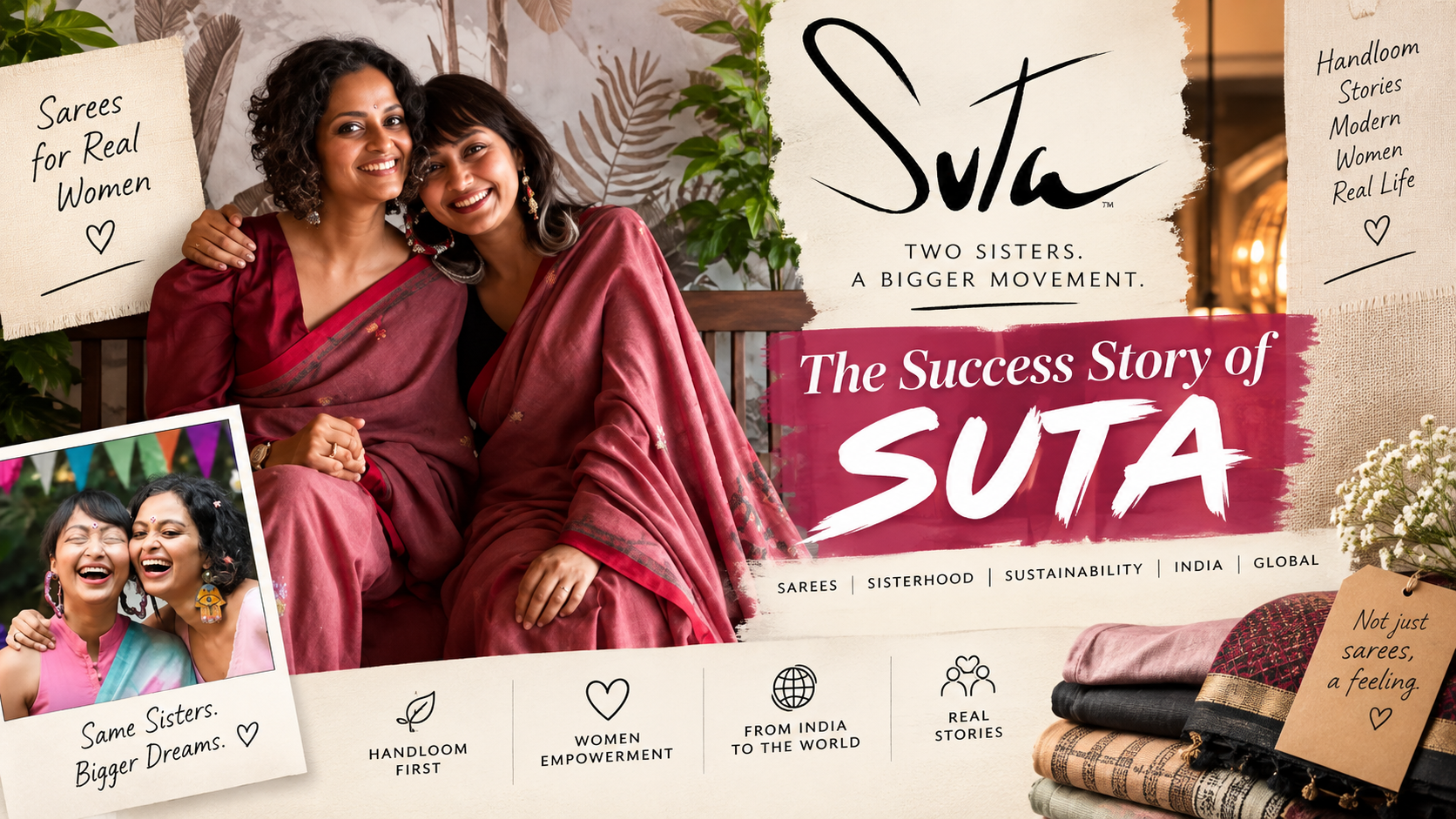
A business case study on Suta, Sujata Biswas and Taniya Biswas, showing how storytelling, community, accessible design and direct-to-consumer retail…
Read More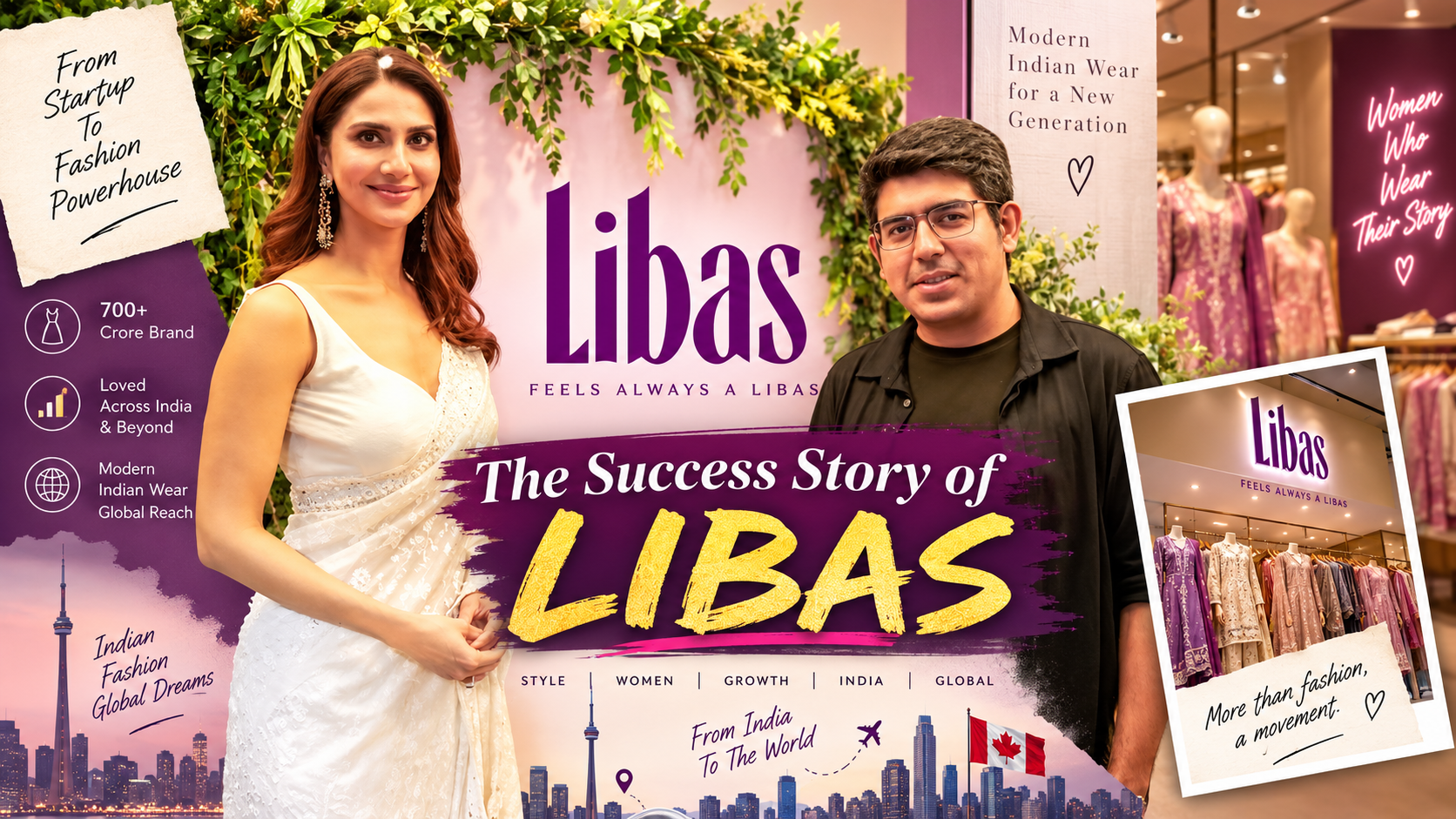
A business case study on Libas and Sidhant Keshwani, covering online-first ethnicwear growth, repeatable product-market fit, pricing, merchandising, marketplace scale…
Read More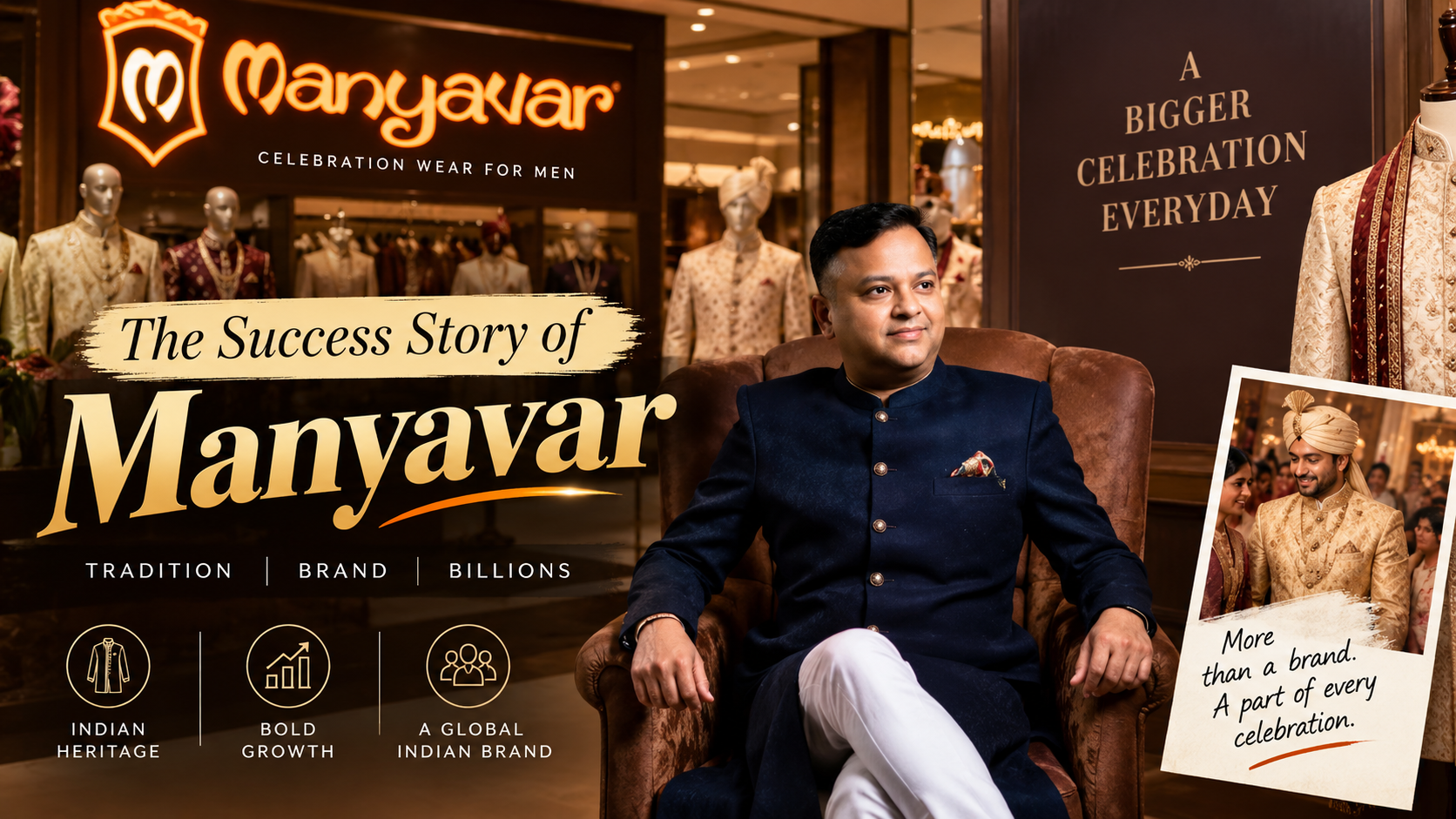
A business case study on Ravi Modi and Manyavar, showing how category focus, multi-brand distribution, disciplined expansion and celebration-led positioning…
Read More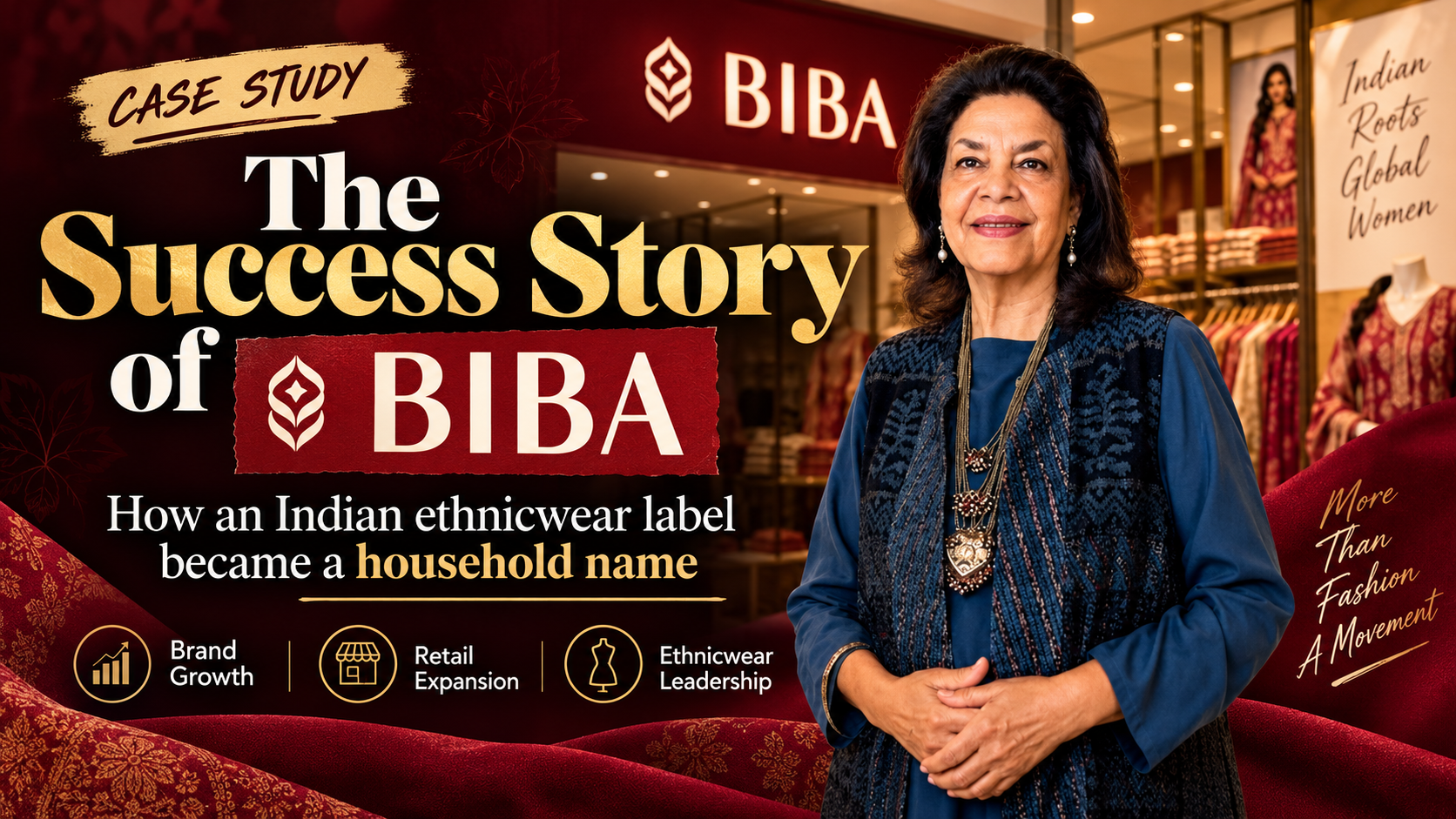
A business case study on Meena Bindra and BIBA, covering the journey from a small home-based salwar-kameez business to wholesale…
Read More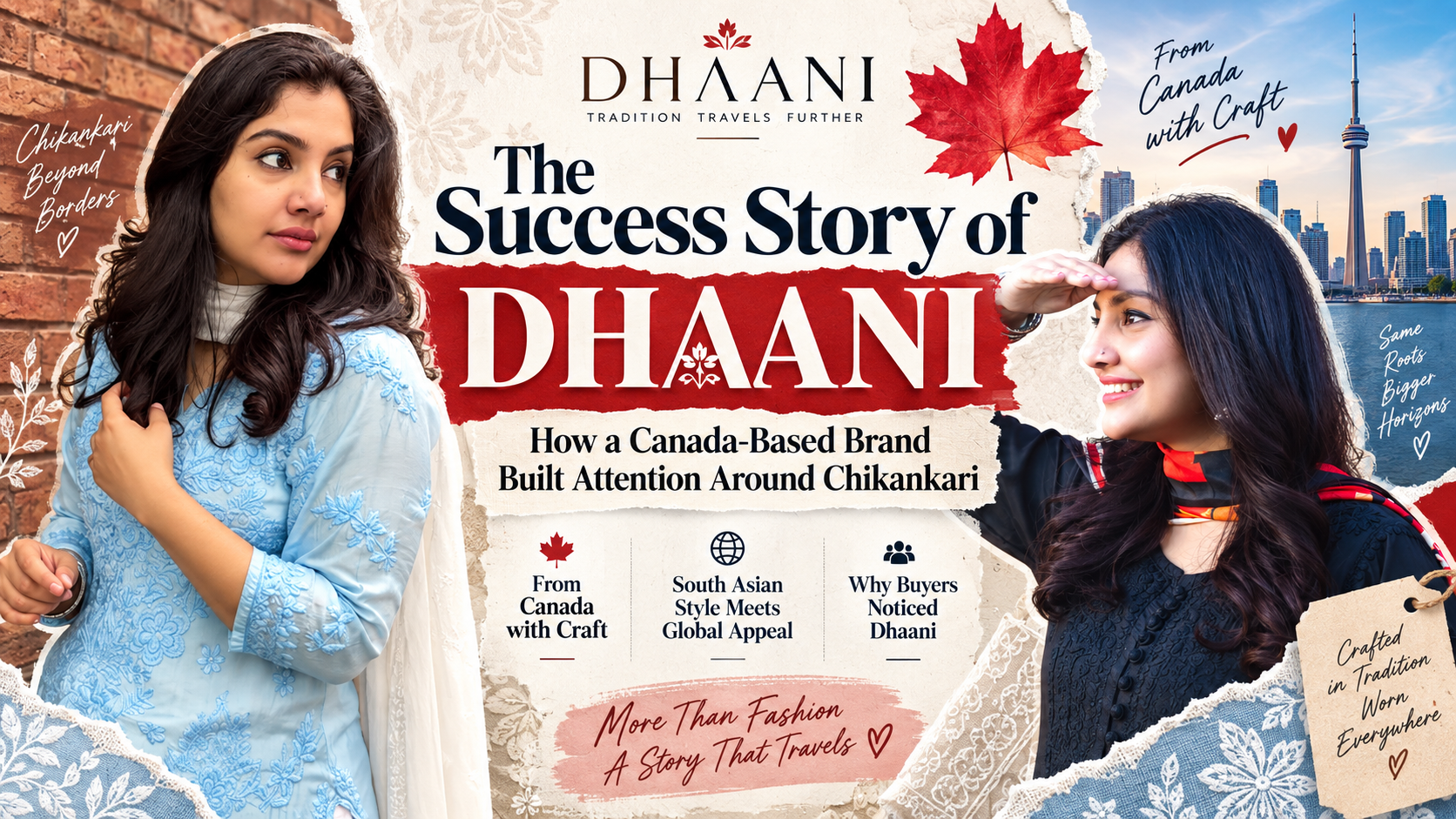
A case study on Ayesha Azeem’s Dhaani and what Chikankari and ethnicwear businesses can learn about diaspora demand, creator-led commerce,…
Read More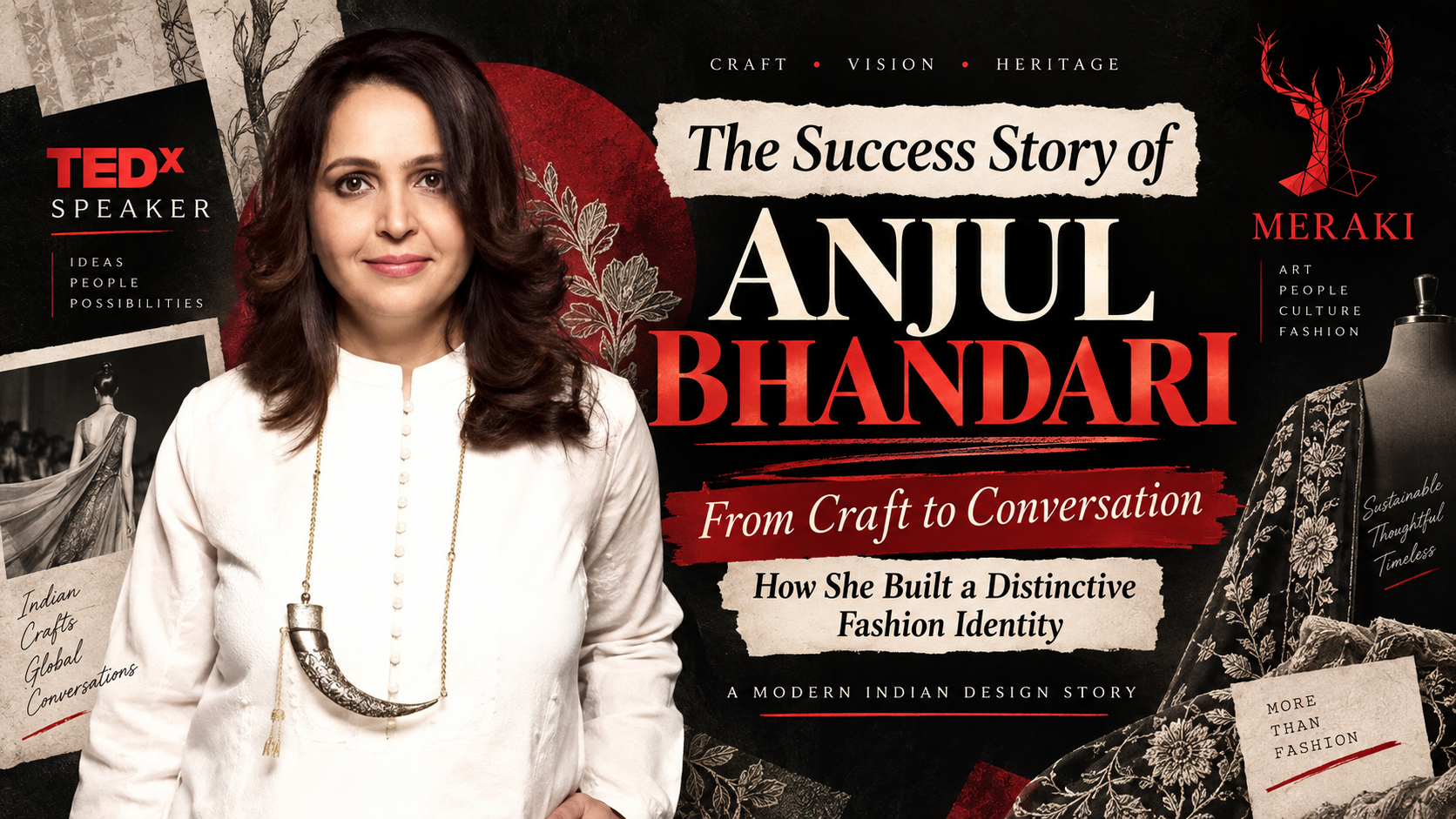
A case study on Anjul Bhandari and how a designer can build a premium craft identity around Chikankari, Kaamdani and…
Read MoreDon't have an account yet? Sign up
No items in your cart. Go on, fill it up with something you love!
Start Shopping Now