
A business case study on Suta, Sujata Biswas and Taniya Biswas, showing how storytelling, community, accessible design and direct-to-consumer retail…
Read MoreAuthentic Lucknow Chikankari | Wholesale | Manufacturing | Private Label SHOP NOW
This page is for boutique owners and curated fashion retailers who want to source Lucknow Chikankari with more control over product mix, price position, sizing, embroidery, fabric and brand presentation.
Unlike a general wholesale purchase, boutique sourcing is usually about curation, differentiation and repeatability. You may need ready stock for immediate retail, a mixed assortment for testing, selected customisation, or a private-label range built around your own customer and brand direction.
A boutique usually needs a coherent assortment rather than hundreds of unrelated SKUs. Product mix should fit your customer, display space and price architecture.
First orders should create useful sell-through data without overcommitting inventory. MOQ and quantity should be discussed category by category.
When a style works, the ability to identify the exact product, fabric, measurement and approved sample matters more than simply having seen it once in a catalogue.
For boutiques that want a more distinctive offer, customisation and private-label development can be evaluated once the product direction is clear.
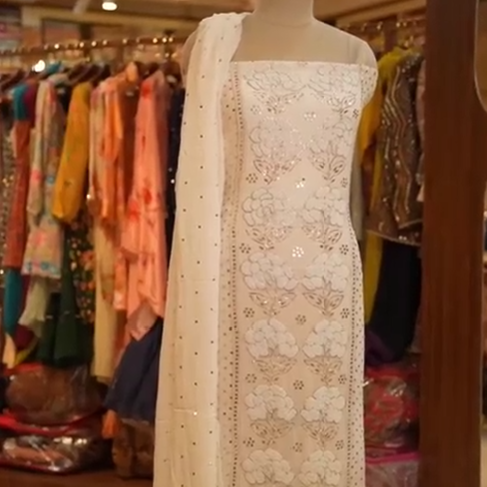
Before selecting products, define the customer you actually sell to. Your first assortment should reflect your market, price point, styling and sales channel.
Share:
This helps narrow the catalogue instead of sending a boutique hundreds of products that do not fit its customer.
Best when you need faster selection from available styles for an upcoming retail window, exhibition or stock refresh.
Useful when you want to build a mixed boutique assortment from existing products while controlling category, colour and price-point balance.
For boutiques that need changes in fabric, colour, silhouette, embroidery, length, sleeves, sizing or other product specifications.
For boutiques building their own branded Chikankari line. Branding, labels, packaging and product development requirements are reviewed against the actual project and production feasibility.
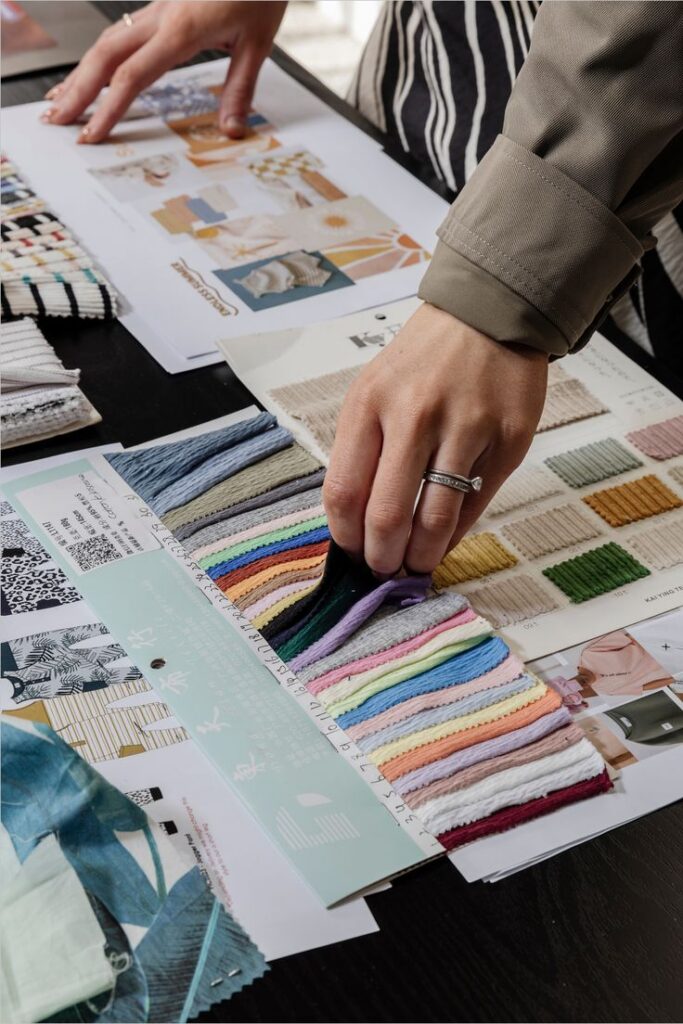
Boutique value is created by the complete product—not by the embroidery name alone. Review the fabric, opacity, drape, stitch character, embroidery density, silhouette and finishing together.
When selecting a product, clarify:
The same motif can feel very different on different fabrics, so the safest approval is the actual finished sample or production piece.
A boutique assortment can be built around one hero category or a coordinated mix. Depending on actual availability and production feasibility, buyers can discuss:
The strongest boutique assortment is usually not the widest one. It is the one with a clear customer, price point and visual identity.
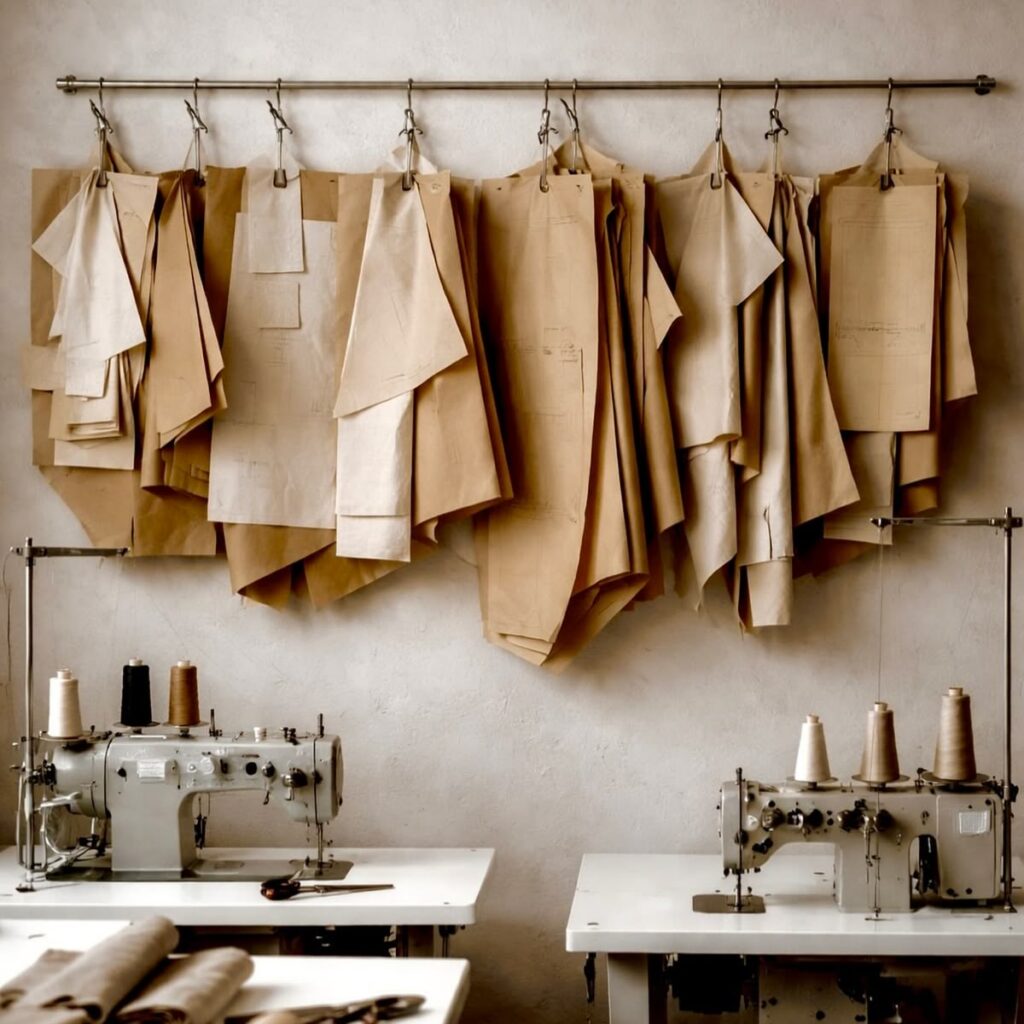
For custom or private-label development, a sample should become the benchmark for production. Use it to check:
Keep the approved sample, size chart and product reference. These make later QC and reordering significantly clearer.
Inspired by the same practical questions strong private-label buyers ask—design direction, fabric, embroidery, sizing, branding and packing—boutique private-label development should start with a clear brief rather than a vague request for ‘my own collection’.
Depending on the project and production feasibility, buyers can discuss:
Exact MOQ, branding scope, packaging support, sampling cost and production timeline are project-specific and must be confirmed before order finalisation.
Product category, references, fabric preference, colour palette, size range, branding needs, approximate quantity and target customer.
Review whether the fabric, embroidery, construction, quantity, customisation and desired price position are workable together.
Approve the actual product, measurements, work level, finishing and branding requirements before moving into larger production.
Produce against the approved specification, complete QC, reconcile quantities and prepare packing/dispatch as agreed.
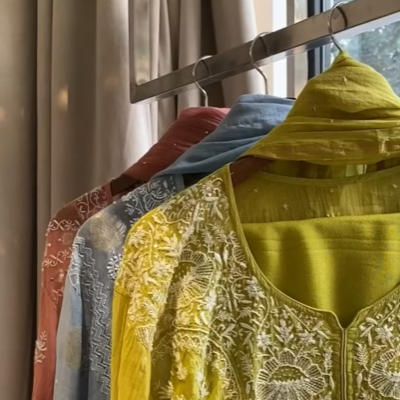
For private-label boutiques, the product is only one part of the customer experience. Before production, define what the customer will actually receive.
Consider:
These details should be confirmed against feasibility and quantity. Do not assume every packaging or branding option is available for every order size.
A practical first order should help you learn what your customer actually buys. Instead of spreading the budget across too many disconnected products, structure the assortment intentionally.
Products with accessible styling, price and repeat potential that can form the commercial base of the collection.
A smaller number of stronger embroidery, premium fabrics or occasion products that give the boutique visual distinction.
Test silhouettes, colours and price points without buying so many SKUs that each style is too shallow to generate useful sales data.
Feedback from boutiques, retailers, resellers, importers and fashion businesses that have sourced Chikankari from us.
Boutique / Retail Buyer

Boutique Owner Canada
Repeat Wholesale Buyer

Brand Owner USA
Private Label / International Buyer
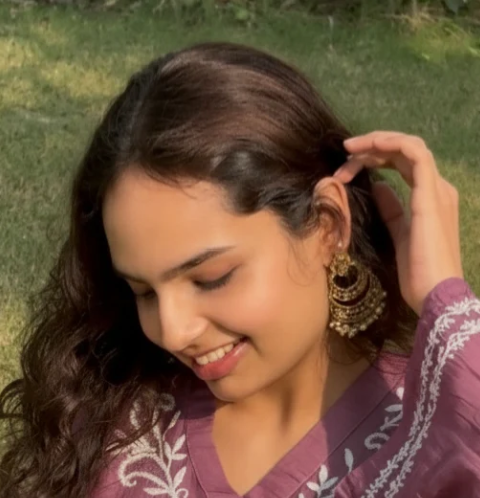
Brad Owner Lucknow
Practical guides for boutiques, retailers, resellers, importers and fashion brands covering Chikankari sourcing, authenticity, fabrics, pricing, MOQ, manufacturing, quality control, private label and international wholesale buying.
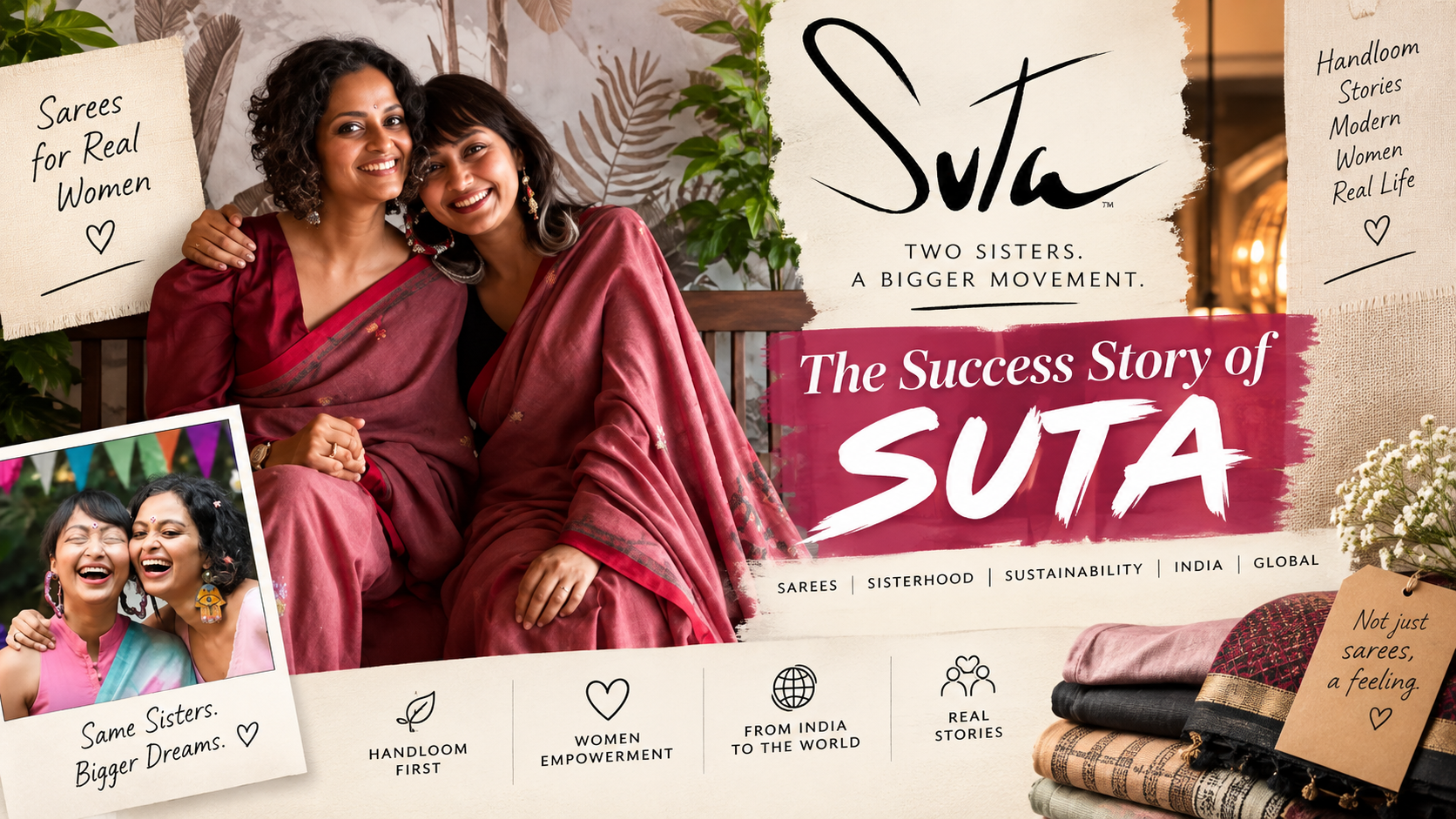
A business case study on Suta, Sujata Biswas and Taniya Biswas, showing how storytelling, community, accessible design and direct-to-consumer retail…
Read More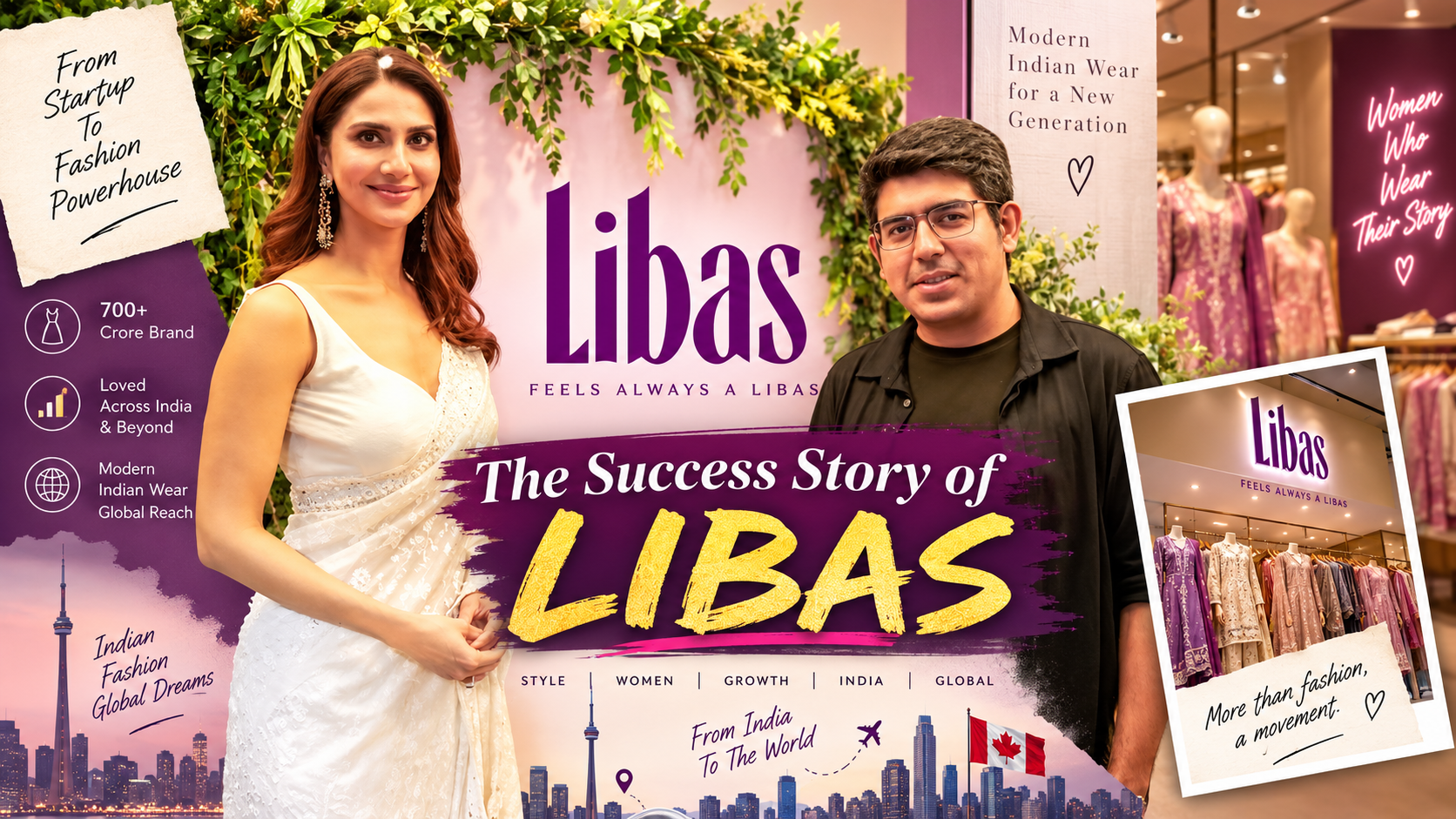
A business case study on Libas and Sidhant Keshwani, covering online-first ethnicwear growth, repeatable product-market fit, pricing, merchandising, marketplace scale…
Read More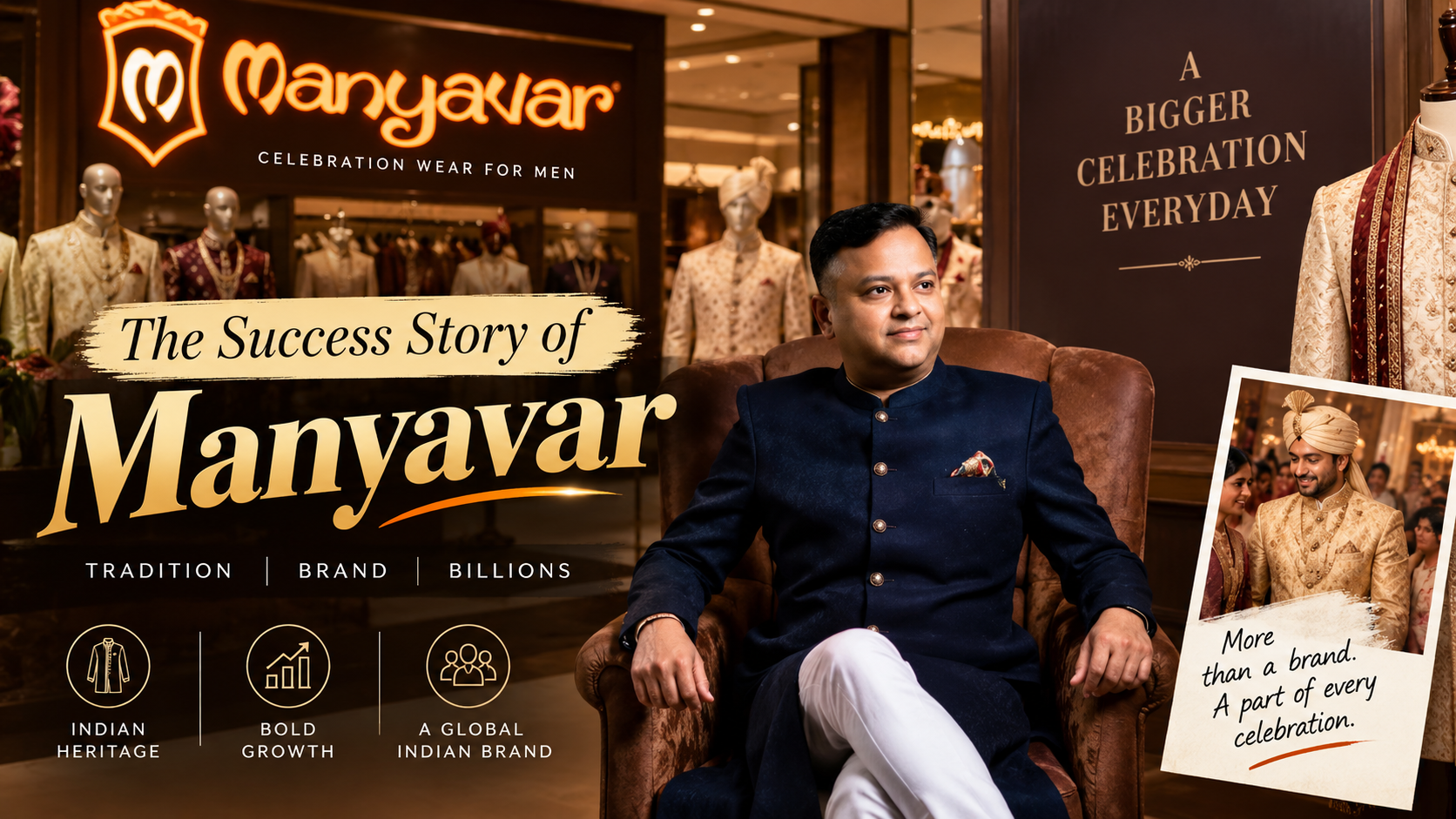
A business case study on Ravi Modi and Manyavar, showing how category focus, multi-brand distribution, disciplined expansion and celebration-led positioning…
Read More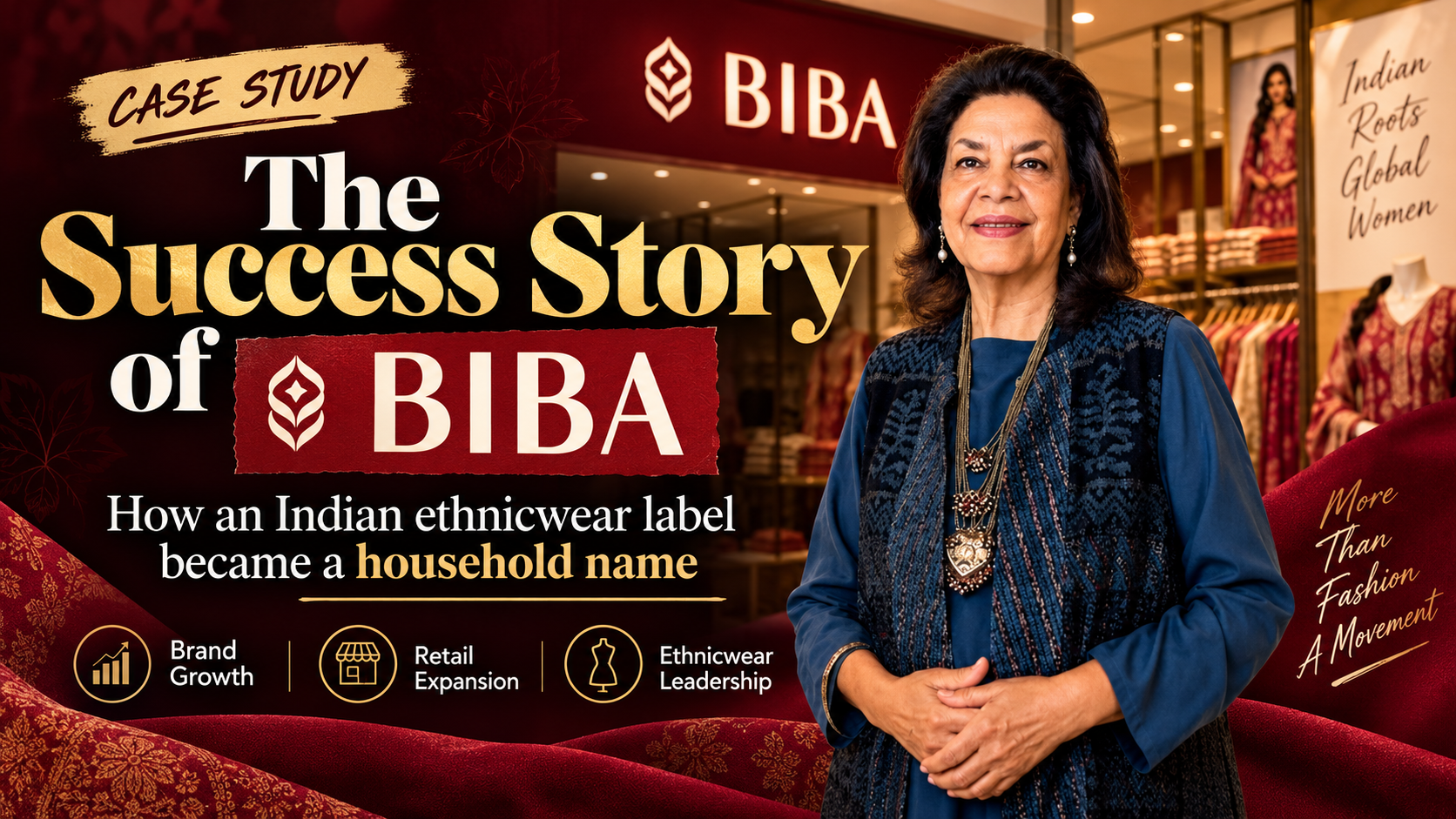
A business case study on Meena Bindra and BIBA, covering the journey from a small home-based salwar-kameez business to wholesale…
Read More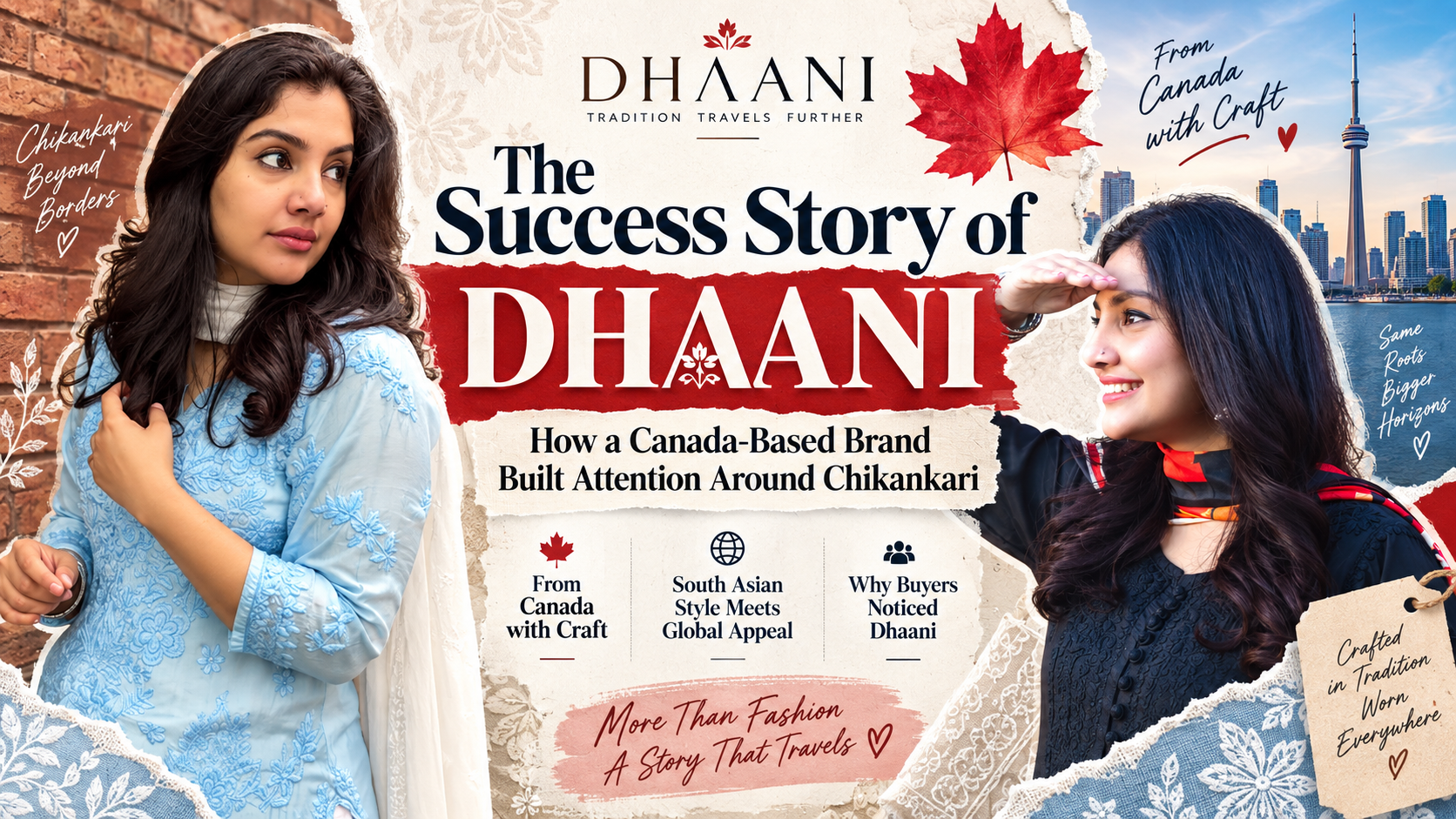
A case study on Ayesha Azeem’s Dhaani and what Chikankari and ethnicwear businesses can learn about diaspora demand, creator-led commerce,…
Read More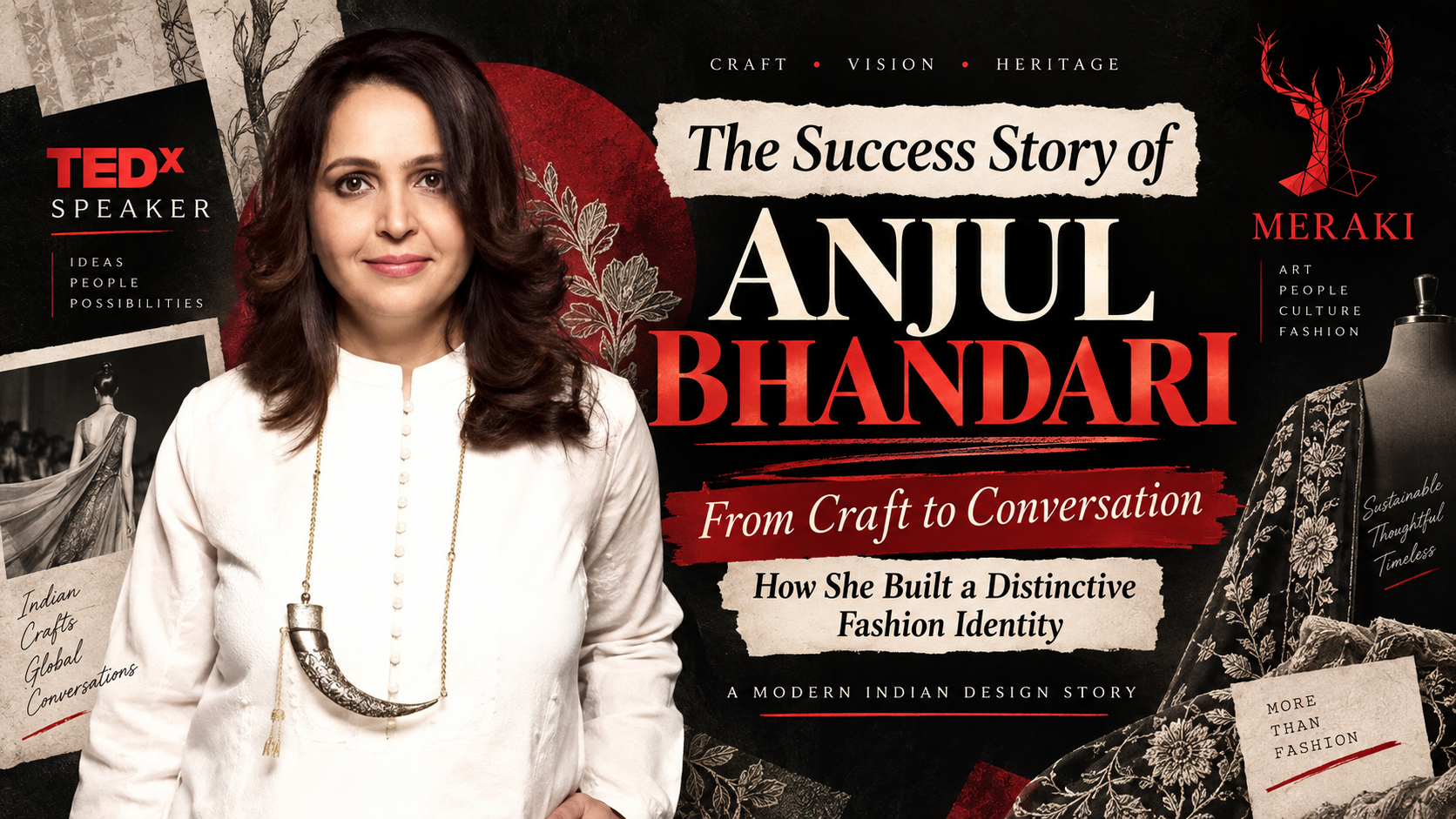
A case study on Anjul Bhandari and how a designer can build a premium craft identity around Chikankari, Kaamdani and…
Read MoreExact MOQ, price, lead time, branding scope and freight should always be confirmed on the actual quotation or order confirmation.
Don't have an account yet? Sign up
No items in your cart. Go on, fill it up with something you love!
Start Shopping Now