Authentic Lucknow Chikankari | Wholesale | Manufacturing | Private Label SHOP NOW

Authentic Lucknow Chikankari | Wholesale | Manufacturing | Private Label SHOP NOW
CANADA B2B CHIKANKARI SOURCING
Source Lucknowi Chikankari from India for Canada
For Canadian importers, boutiques, ethnicwear retailers, ecommerce sellers, resellers, exhibitors and fashion brands looking to source Chikankari directly from India.
ChikankariWholesale.com is based in Lucknow, Uttar Pradesh. This page is designed to help Canada-based B2B buyers evaluate wholesale sourcing, ready stock, custom manufacturing, private label, sizing, sampling, quality control, import planning and repeat ordering before placing an order.
Who This Canada Sourcing Page Is For
Importers & Distributors
For businesses importing Chikankari into Canada for resale, distribution, multi-store supply or regional wholesale.
Boutiques & Retailers
For independent boutiques and ethnicwear stores sourcing curated kurtas, sets, sarees, dresses, dupattas and other Chikankari categories.
Fashion Brands & Private Label
For Canadian labels developing their own Chikankari collection with defined fabric, silhouette, sizing, branding and product specifications.
Resellers, Exhibitors & Ecommerce Sellers
For online sellers, exhibition vendors, trunk-show businesses, pop-ups and social-commerce sellers that need a commercially workable assortment.
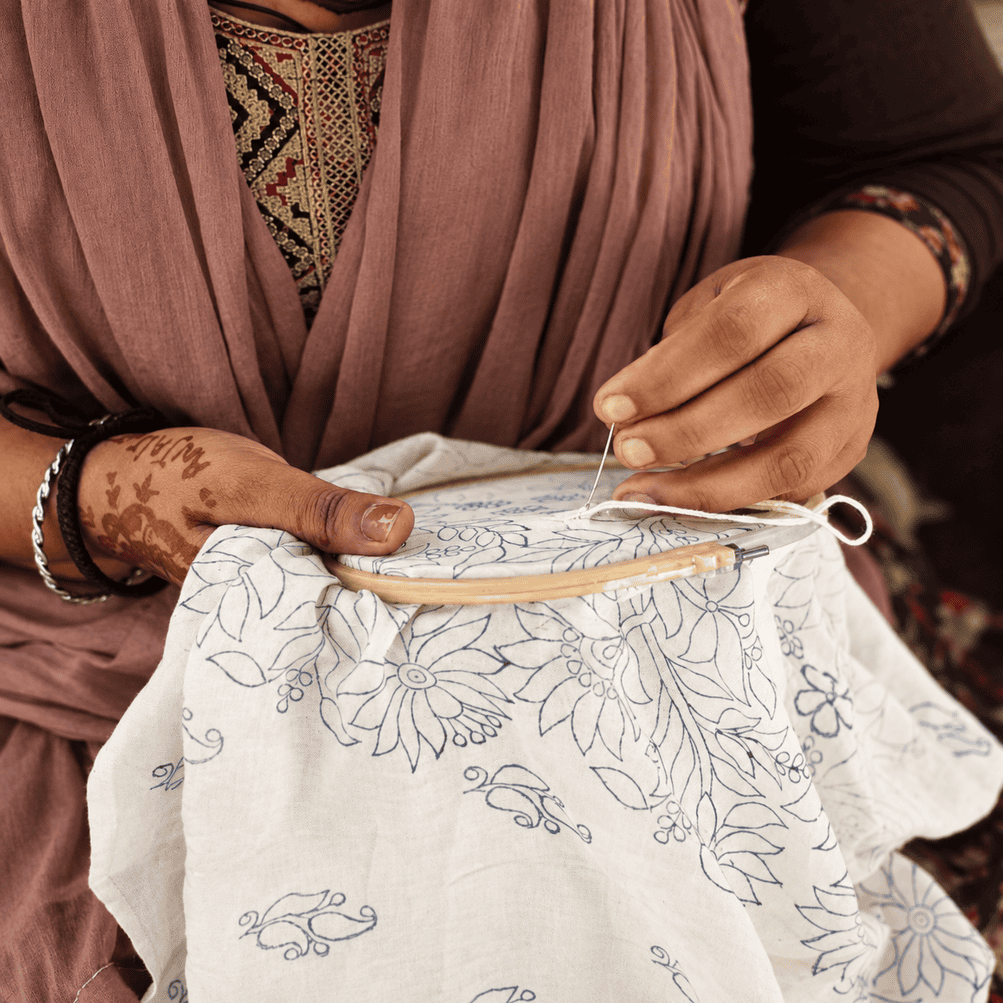
Why Source Chikankari from Lucknow, India?
Lucknow is the historic centre most closely associated with Chikankari. For a Canadian buyer, sourcing from Lucknow creates a more direct route to evaluate the embroidery, fabrics, product development and B2B manufacturing context behind the craft.
The commercial advantage is not simply location. It is the ability to specify the product clearly—fabric, embroidery method, stitch character, silhouette, measurements, colour, quantity and finishing—and then approve the actual product against those requirements.
For buyers representing products as authentic Lucknow Chikankari, provenance and product evidence should be part of the sourcing process rather than only a marketing claim.
What Canadian Buyers Can Source
Women’s Chikankari
Kurtis, kurtas, kurta sets, suit sets, dresses, co-ords, tops, sarees, dupattas, lehengas and bottoms.
Men’s Chikankari
Men’s kurtas, kurta-pajama sets, shirts and related bottoms for retail, festive and occasion-led assortments.
Fabric & Unstitched
Chikankari fabric, unstitched kurta or suit pieces and other fabric-led requirements for businesses that complete styling or stitching in Canada.
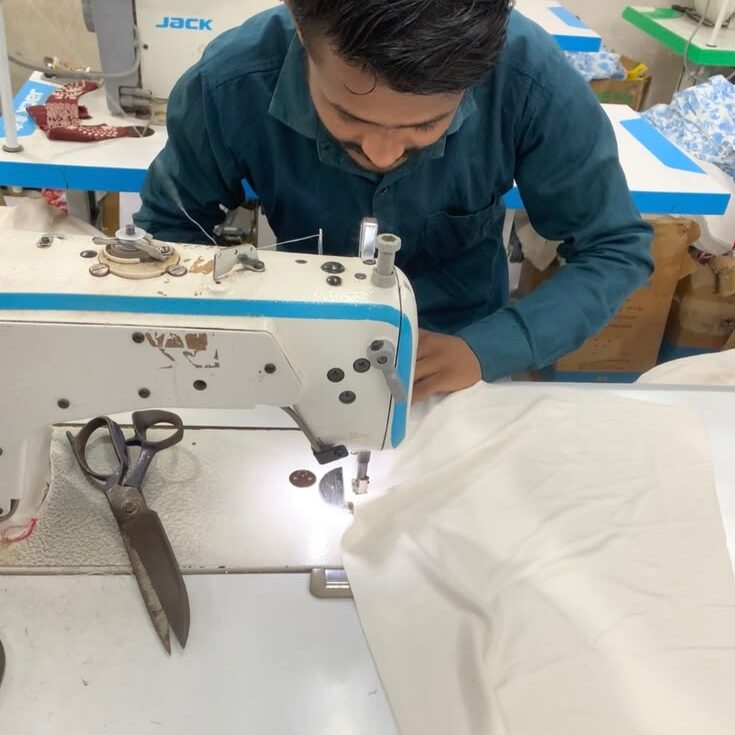
Build the Assortment Around Canada’s Selling Calendar
Canadian buyers should plan Chikankari by customer occasion and selling period rather than treating the entire year as one assortment.
- Spring and summer: breathable cotton, Mulmul, Muslin and lighter silhouettes can support warm-weather merchandising.
- Wedding and festive demand: richer fabrics, sarees, suit sets, dupattas and stronger embroidery can be positioned for occasion buying.
- Fall and winter: Chikankari can still work through layering, event dressing, festive use and indoor retail; fabric weight and styling should match the intended use.
- Exhibitions and pop-ups: combine accessible core sellers with a smaller number of high-visual pieces that attract attention and test premium price points.
Assortment planning should be based on your own customer data, event calendar and retail channel—not a generic country-wide product assumption.
Choose the Right Sourcing Model for Canada
Ready Stock
Useful when speed and existing product availability matter more than customisation.
Curated Wholesale
Suitable for boutiques and resellers selecting an assortment from available wholesale styles.
Custom Manufacturing
For buyers requiring defined changes in fabric, colour, silhouette, embroidery, measurements or product construction.
Private Label
For Canadian brands that need the finished product aligned to their own approved specification, label and packaging requirements.
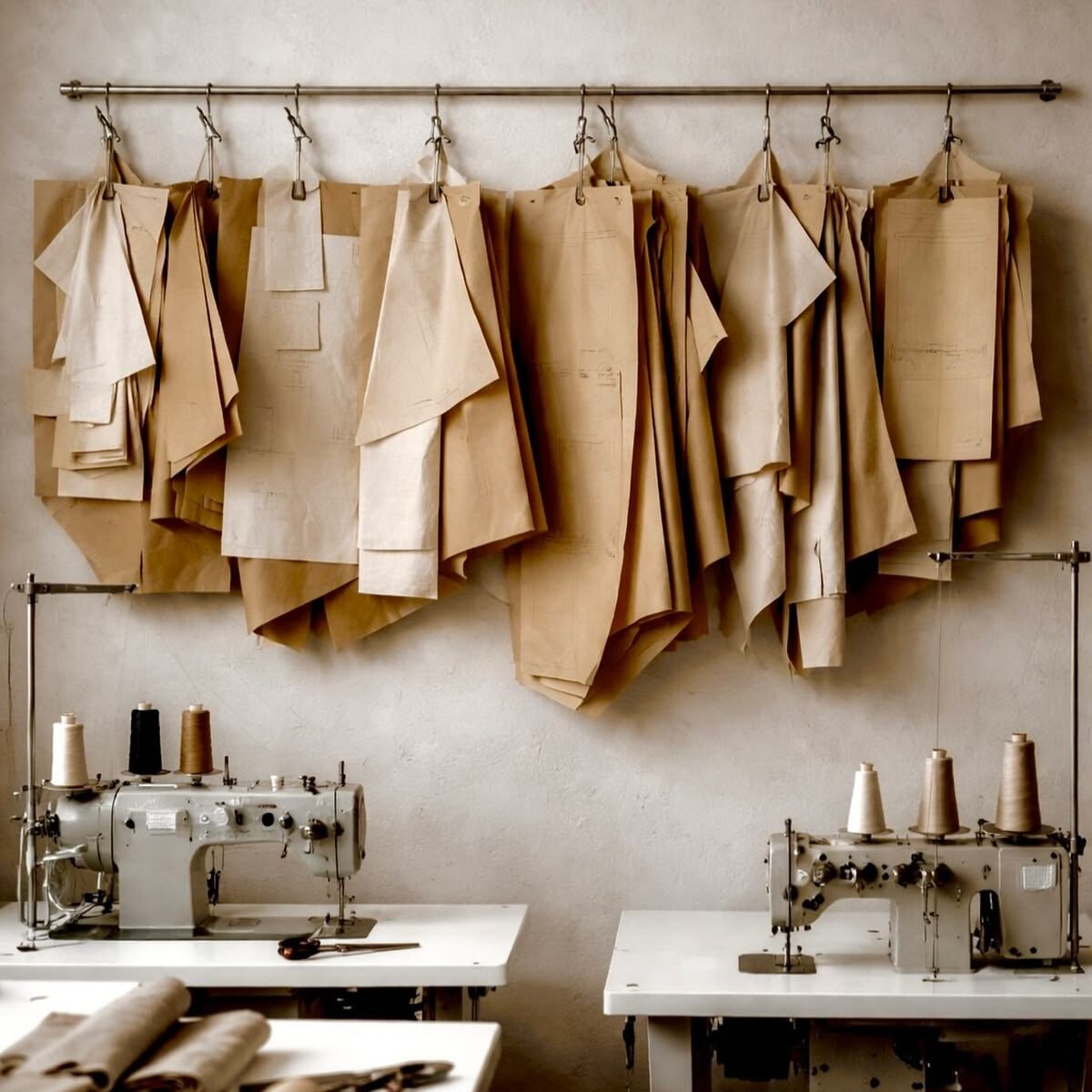
Sizing Chikankari for Canadian Customers
Size labels are not universal. A Canadian customer may interpret S, M, L or numerical sizing differently from an Indian garment block, so wholesale buyers should work from measurements rather than label names alone.
For ready products, review the actual garment bust, waist, hip, shoulder, sleeve and length where relevant. For private label, provide your own target market size chart or tech pack whenever possible.
If you relabel an approved Indian garment block for the Canadian market, conduct fit testing first. Do not assume that an India-to-Canada size conversion is exact across every brand or silhouette.
Canada Import Planning: Customs, GST & CARM
Canadian commercial importers need to plan customs before the goods leave India. Current Canada Border Services Agency guidance requires commercial importers to use the CARM Client Portal and have the appropriate business number and import program account for commercial importing.
Imported goods are generally subject to the 5% GST or federal portion of HST at import, except where a specific non-taxable treatment applies. Customs duty can also apply depending on the product’s tariff classification, country of origin and customs value. Apparel duty rates are not one universal percentage, so the correct HS/tariff classification must be confirmed for the actual garment.
A Canadian importer may use a licensed customs broker, but the importer should still understand the declared product, origin, value, tariff classification and supporting documents.
Do not calculate your retail margin from the supplier price alone. Build a landed-cost calculation that considers product value, freight, insurance where applicable, customs duty, import tax, brokerage/clearance charges and domestic delivery.
Canadian Textile Labelling: Plan It Before Production
Canada’s Competition Bureau states that consumer textile products must meet the Textile Labelling Act and Textile Labelling and Advertising Regulations. For apparel and other covered textile products, buyers should build compliant labelling into the product specification before bulk production.
- Fibre content: fibres representing 5% or more of total fibre mass generally need the generic fibre name and percentage disclosed.
- English and French: fibre-content information must appear in both official languages.
- Dealer identification: the responsible dealer’s company name and mailing address or an eligible CA Identification Number is required.
- Accuracy: product claims about fibre content, origin, quality and other characteristics must be factual and not misleading.
- Quebec: buyers selling in Quebec should review additional provincial French-language requirements separately.
Country-of-origin, fibre, dealer and other labelling requirements can depend on the product and the selling context. Final Canadian compliance should be checked by the importer before labels are printed in bulk.
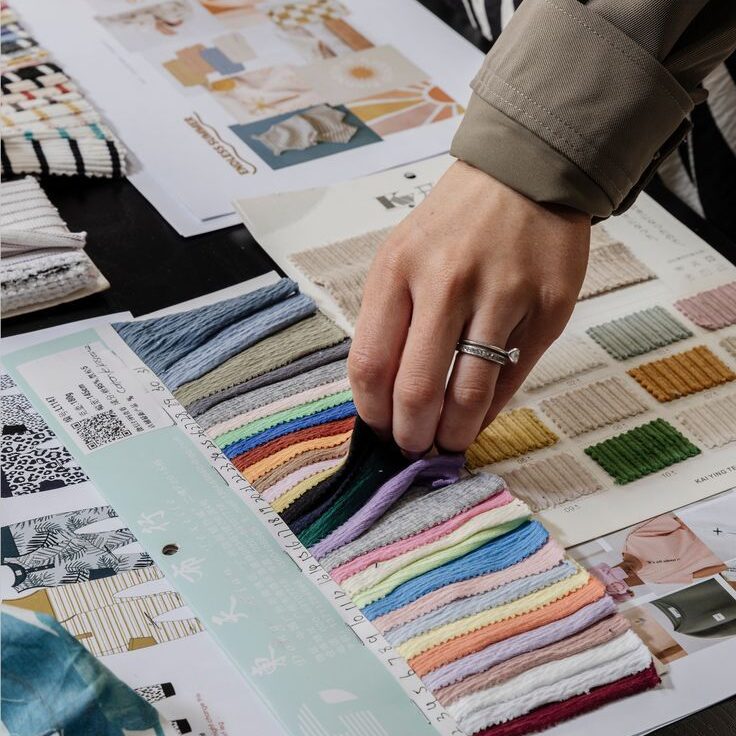
What to Approve Before a Canada Shipment
- Final style/SKU list and quantities
- Fabric identity and fibre composition
- Embroidery type, placement and approved quality reference
- Size chart and garment measurements
- Colour and finishing
- Required English/French fibre labelling content
- Dealer/brand label and packing requirements
- Commercial invoice description and product references
- Country of origin and tariff-classification information required by the importer/broker
- Carton count, gross/net weight and shipping method
- Importer of record and customs-broker arrangements
Exact shipping cost, customs duty, transit time and destination charges should be confirmed against the final order rather than published as universal figures.
A Practical Canada-to-Lucknow Sourcing Workflow
- Share the buyer brief: Canada location, business type, product categories, approximate quantity and target retail position.
- Select the sourcing route: ready stock, wholesale assortment, custom manufacturing or private label.
- Shortlist product and fabric: choose silhouettes, colours, fabric direction and embroidery level.
- Review samples: confirm quality, sizing, embroidery, fit and finishing before scaling custom work.
- Lock Canada requirements: labels, fibre information, dealer details, packaging and importer documentation.
- Confirm commercial order: quantity, pricing, payment terms, production/dispatch estimate and shipping method.
- Import and clear in Canada: importer/broker handles CARM, tariff classification, customs accounting, taxes and release.
- Track sell-through and reorder: preserve product, size, fabric and sample references for repeat buying.
Sourcing for Toronto, Vancouver, Calgary, Edmonton, Montreal & Beyond
ChikankariWholesale.com does not claim a Canadian office or warehouse. The business is based in Lucknow, India, and this page is intended for B2B buyers sourcing into Canada.
Your buying plan can differ by city, province, retail audience and business model. A Toronto boutique, Vancouver ecommerce seller, Calgary exhibition business and Montreal private-label brand may need different size mixes, product categories, language/label planning and price architecture.
Instead of creating thin city pages, the recommended approach is to provide your actual Canadian market, customer profile and sales channel so the assortment can be evaluated against a real commercial brief.
Chikankari Wholesale Canada FAQs
Yes. Canada-based boutiques, importers, retailers, resellers, ecommerce sellers and brands can source Chikankari from India. The buyer should confirm product specifications, shipping method, importer-of-record arrangements and Canadian import/labelling requirements for the final order.
No. ChikankariWholesale.com is based in Lucknow, Uttar Pradesh, India. The Canada page is a B2B sourcing page for Canadian buyers and does not imply a Canadian office, warehouse or local entity.
The business accepts B2B enquiries from boutiques, retailers, resellers, importers, ecommerce sellers and other commercial buyers. Product availability, quantity, pricing and shipping are confirmed against the specific enquiry.
Private-label requirements can be reviewed based on the buyer brief, fabric, embroidery, silhouette, sizing, branding, packaging, quantity and production feasibility. A sample and approved product specification are recommended before bulk production.
MOQ is not one universal number. It can vary by product, ready-stock availability, fabric, embroidery, customisation and production model. The applicable MOQ should be confirmed on the quotation for the actual requirement.
Shipping depends on shipment weight and dimensions, service level, destination, courier/freight route and commercial terms. Freight should be quoted against the final packed shipment rather than estimated from a generic country rate.
There is no single duty rate for every Chikankari product. Duty depends on the Canadian tariff classification, country of origin, customs value and any applicable tariff treatment. The importer or customs broker should classify the exact garment or textile product before calculating landed cost.
Canadian government guidance states that imported goods are generally subject to the 5% GST or federal portion of HST at import, except specified non-taxable imports. Customs duty and other destination-side charges can also apply depending on the goods and import circumstances.
Canadian textile rules require fibre-content information to be disclosed in English and French for covered consumer textile products. Dealer identification is also required. Quebec can have additional French-language requirements, so Quebec-bound products should be checked separately.
Yes. Sampling is useful for evaluating fabric, embroidery, measurements, fit and finishing, particularly for custom manufacturing or private-label development. Sample terms depend on the actual product and development requirement.
Buyer-specific sizing can be reviewed for custom or private-label development. For the best control, provide your own target-market measurement chart or tech pack and approve a physical sample before production.
Send your city/province, business type, product categories, approximate quantity, sourcing model, preferred fabric or styles, target price position and required timeline. For custom work, include reference images, measurement charts or a tech pack where available.