
A business case study on Suta, Sujata Biswas and Taniya Biswas, showing how storytelling, community, accessible design and direct-to-consumer retail…
Read MoreAuthentic Lucknow Chikankari | Wholesale | Manufacturing | Private Label SHOP NOW
For D2C websites, marketplace sellers, Instagram and WhatsApp sellers, social-commerce businesses and online ethnicwear brands sourcing Chikankari from Lucknow.
Ecommerce sourcing is different from simply buying stock. Online sellers need products that can be listed accurately, priced profitably, photographed clearly, sized consistently, fulfilled reliably and reordered intelligently. This page is built around those operational requirements.
For brands and stores selling through Shopify, WooCommerce or their own ecommerce website and managing merchandising, content and fulfilment directly.
For sellers listing ethnicwear on marketplaces where product data, image standards, category mapping, returns and platform economics matter.
For sellers using Instagram, WhatsApp, Facebook, live selling or social-first catalogues where visual appeal and fast stock decisions are central.
For ecommerce brands developing exclusive products around their own sizing, labels, packaging, product naming and brand presentation.
Before selecting products, define how the product will be sold online. The same Chikankari assortment may behave very differently on a premium D2C website, a discount-led marketplace, social commerce or an overseas ethnicwear store.
Clarify your target customer, selling country, average selling price, channel fees, expected return rate, fulfilment method, advertising cost structure and how much inventory you can hold.
A useful first assortment normally includes a combination of products that can generate traffic, convert at an accessible price, raise average order value and create visual differentiation. Avoid loading the first order with too many near-identical styles before you know which silhouettes, fabrics, colours and price bands actually convert.
Useful for testing demand, filling immediate inventory gaps or launching quickly from products already available.
For online sellers selecting a controlled assortment from existing wholesale products and managing their own listings and inventory.
For ecommerce sellers that need defined changes in fabric, colour, silhouette, measurements, embroidery or construction.
For online brands developing products around their own approved sizing, labels, packaging and brand presentation.
Depending on actual availability and production feasibility, ecommerce sellers can build around:
Online product selection should also consider photography difficulty, size complexity, return risk, product explanation required, shipping weight and likely repeatability—not only visual appeal.

Weak product information creates weak ecommerce listings. Before listing a Chikankari product, build a structured product record with the information your customer needs.
Useful fields include SKU or internal reference, product type, fabric, fibre composition where known, embroidery description, colour, neckline, sleeve, garment length, lining where applicable, included pieces, garment measurements, available sizes, care guidance and country of origin where relevant.
For handmade products, describe natural variation accurately. Do not write unsupported claims such as ‘100% hand embroidered’, ‘pure cotton’ or a specific stitch name unless the actual product has been verified accordingly.
Keep your own master data sheet because supplier catalogues, filenames and stock lists can change over time.
Online sellers depend heavily on images, but product-image availability and permission to reuse supplier photography should never be assumed.
Confirm what imagery is actually provided, whether you have permission to use it commercially, and whether marketplace or advertising usage is included. If you create your own images, make sure the photographed sample matches the product being sold.
For stronger conversion, a typical ecommerce product can benefit from a clear front view, back or side view, embroidery close-up, fabric/detail image, scale or fit reference, and any included bottom or dupatta shown clearly.
Image count, file format, editing, model shoots and usage rights are confirmed separately for the actual sourcing arrangement.
Online customers cannot try the garment before ordering, so a vague S/M/L label is not enough. Ecommerce sellers should publish actual measurements and explain whether the values refer to body measurements or finished garment measurements.
Record bust, waist, hip, shoulder, sleeve and garment length where relevant. For sets, record the kurta and bottom separately. If a style has a different fit from your normal size chart, communicate it instead of forcing all products into one generic table.
When developing private-label sizing, approve a physical sample and fit before bulk production. This is especially important if you are translating an Indian garment block into your own US, UK, EU or other market-facing size labels.
An online seller’s product cost is only one part of the unit economics. Before deciding what you can pay wholesale, model the full selling cost.
Depending on your channel, this can include inbound freight, duties/taxes where relevant, payment-gateway charges, marketplace commission, fulfilment, packaging, last-mile shipping, return-to-origin or return processing, discounts, advertising cost and expected markdowns.
A product with a strong gross markup can still be unprofitable after paid acquisition and returns. Build target contribution margin by product or price band, then use that model when selecting wholesale styles.
Wholesale price, MOQ, payment terms and shipping charges vary by actual requirement and remain subject to confirmation for the specific sourcing arrangement on quotation.
If you sell on a marketplace, review the platform’s current category and listing requirements before committing inventory. Required attributes can include category, product type, fibre content, colour, size, sleeve, neckline, pack contents, country of origin, care information, product identifiers and image standards.
Do not assume the supplier will create or approve marketplace listing data on your behalf. The ecommerce seller remains responsible for ensuring the listing accurately describes the product and meets the current platform rules.
Marketplace fees, return policies, fulfilment requirements and image specifications can change, so validate them directly with the platform before finalising a commercial buy.
Online returns can be caused by product defects, but they are also caused by inaccurate listings, inconsistent sizing, colour mismatch, missing pieces and unclear customer expectations.
Before accepting bulk stock, check the approved specification against fabric, embroidery, measurements, stitching, finishing, lining, colour, included pieces, labels and packing.
For handmade Chikankari, natural variation can occur. Define the acceptable variation before production or purchase and explain handmade characteristics accurately on the product page.
If you operate a marketplace or high-return channel, create a return-reason report. Repeated ‘too small’, ‘too transparent’, ‘colour different’ or ‘not as shown’ feedback should change future buying, content or QC decisions.
Do not wait until a winning style is completely sold out before asking whether it can be repeated. Track units sold, days in stock, size-level sell-through, cancellations, returns and stock cover.
Preserve the original SKU/reference, fabric, colour, embroidery, measurements, approved sample and product photographs. This makes it easier to discuss a true repeat rather than trying to identify an old product from a screenshot months later.
Repeat availability is not guaranteed. Fabric, dye lot, handmade work and ready stock can change, so confirm repeatability before running ads or accepting future orders against incoming stock.
When exact repeat is not possible, use the performance data to source the closest commercial replacement: same silhouette, price band, fabric or customer use case.
Private label can make sense when an ecommerce seller has enough evidence to define a product rather than simply wanting a logo on a generic item.
A useful private-label brief can cover target customer, reference silhouette, fabric, embroidery direction, colour, measurement chart, size range, labels, packaging and expected quantity. Product feasibility, MOQ, sampling, development scope, branding options, packaging and production timing remain subject to confirmation for the specific sourcing arrangement for the actual project.
For online brands, also plan the product-data system before production: SKU naming, colour names, size chart, care copy, barcode/identifier requirements and listing photography.
Feedback from boutiques, retailers, resellers, importers and fashion businesses that have sourced Chikankari from us.
Boutique / Retail Buyer

Boutique Owner Canada
Repeat Wholesale Buyer

Brand Owner USA
Private Label / International Buyer

Brad Owner Lucknow
Practical guides for boutiques, retailers, resellers, importers and fashion brands covering Chikankari sourcing, authenticity, fabrics, pricing, MOQ, manufacturing, quality control, private label and international wholesale buying.
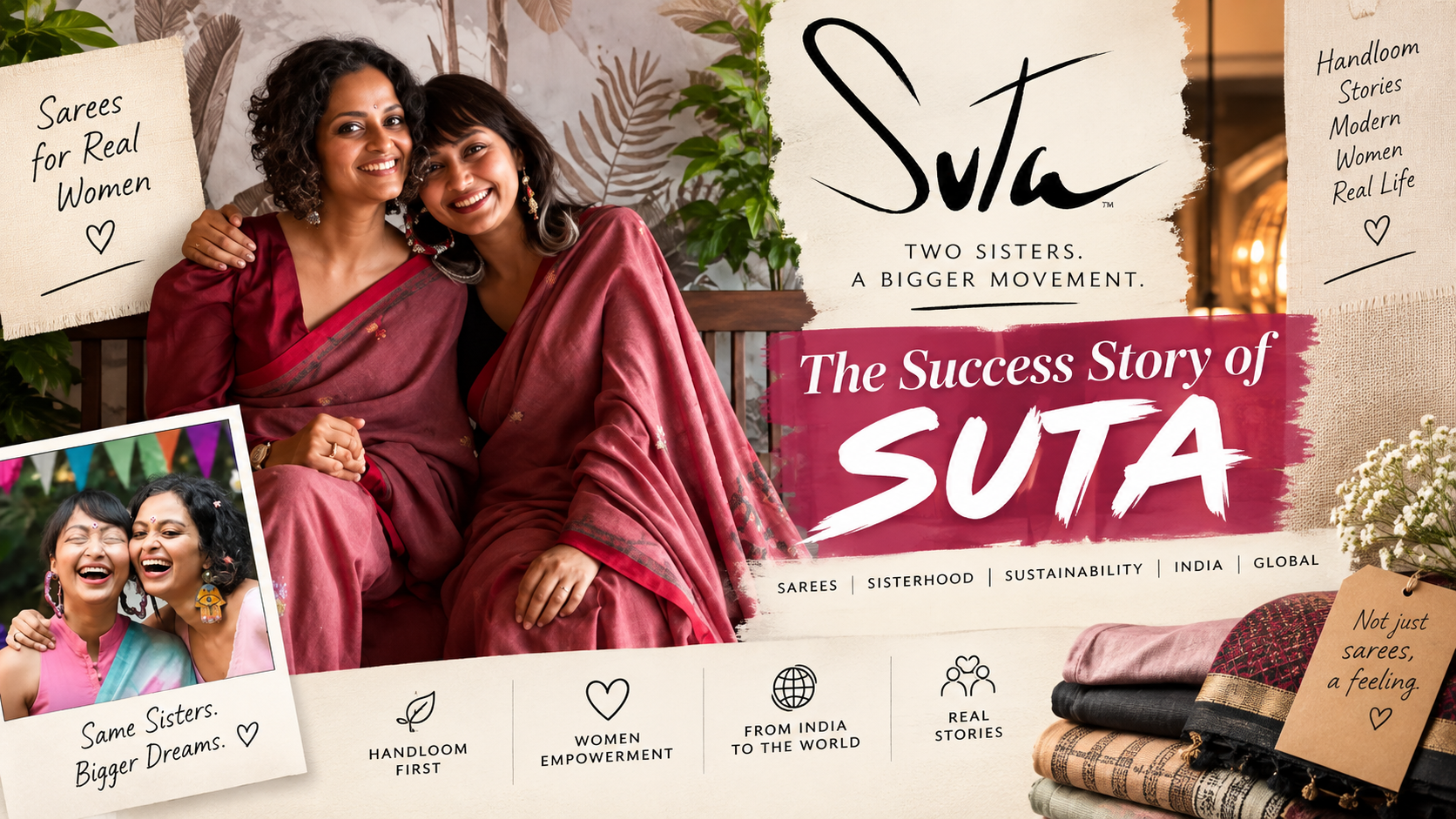
A business case study on Suta, Sujata Biswas and Taniya Biswas, showing how storytelling, community, accessible design and direct-to-consumer retail…
Read More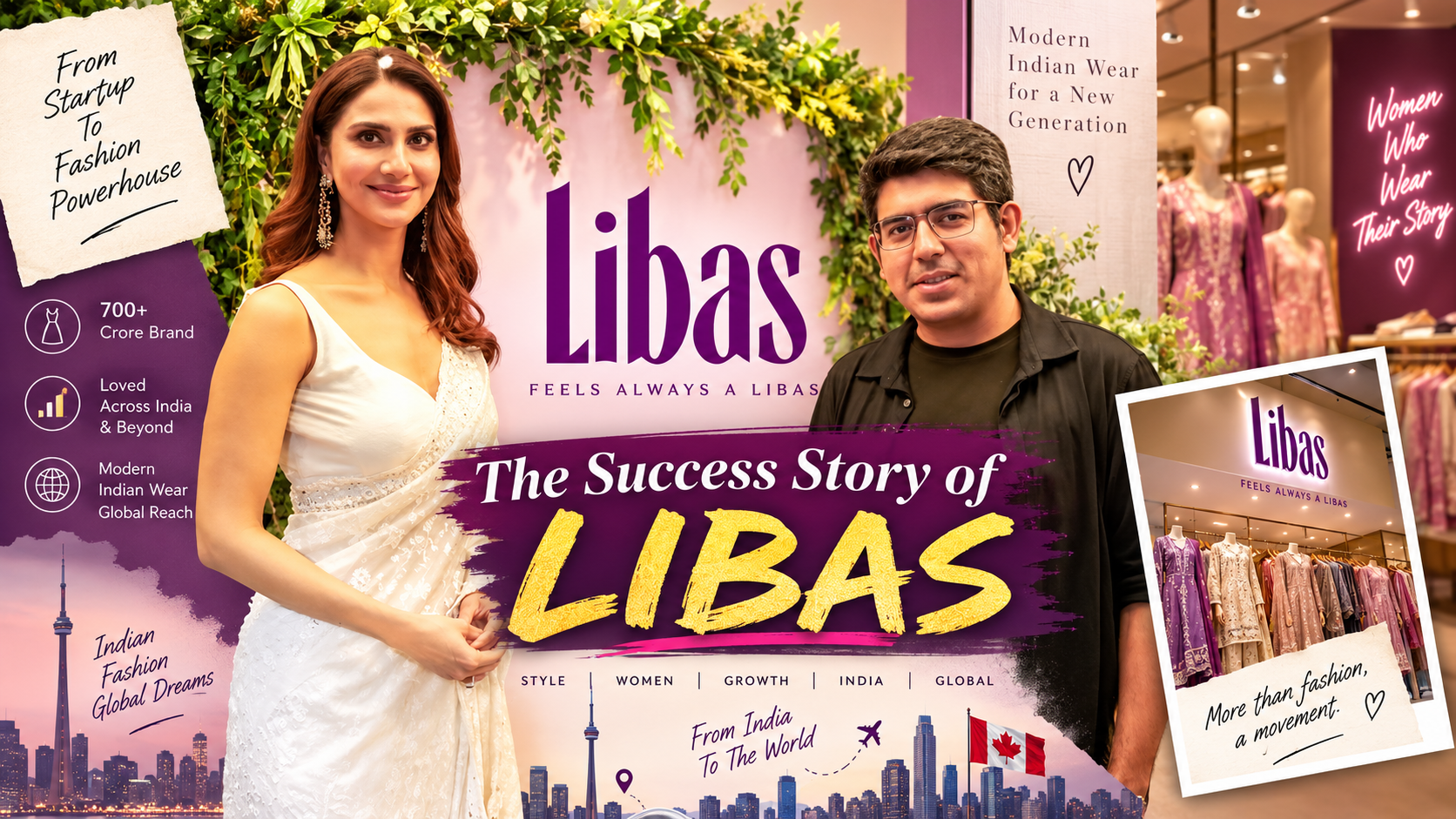
A business case study on Libas and Sidhant Keshwani, covering online-first ethnicwear growth, repeatable product-market fit, pricing, merchandising, marketplace scale…
Read More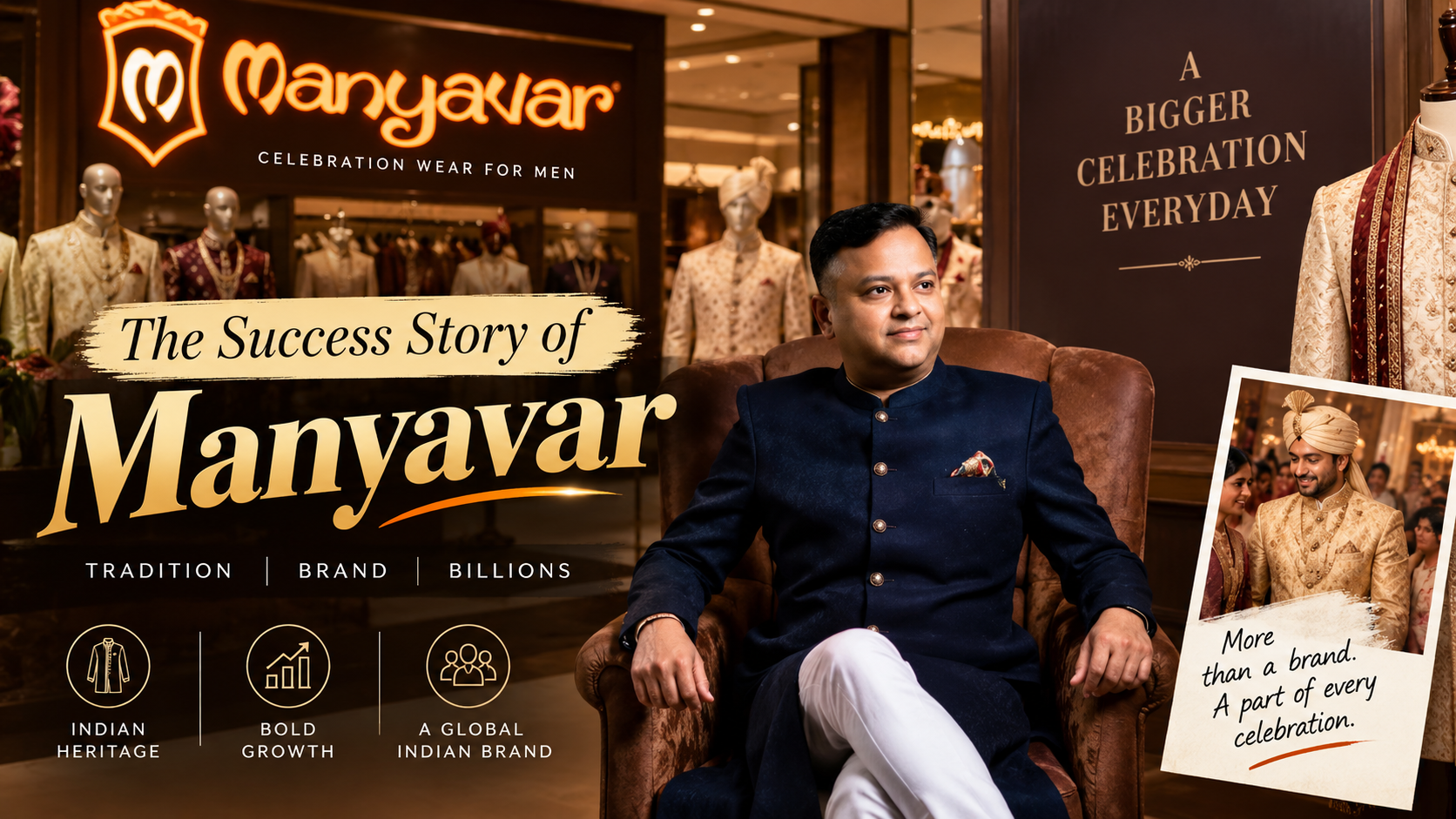
A business case study on Ravi Modi and Manyavar, showing how category focus, multi-brand distribution, disciplined expansion and celebration-led positioning…
Read More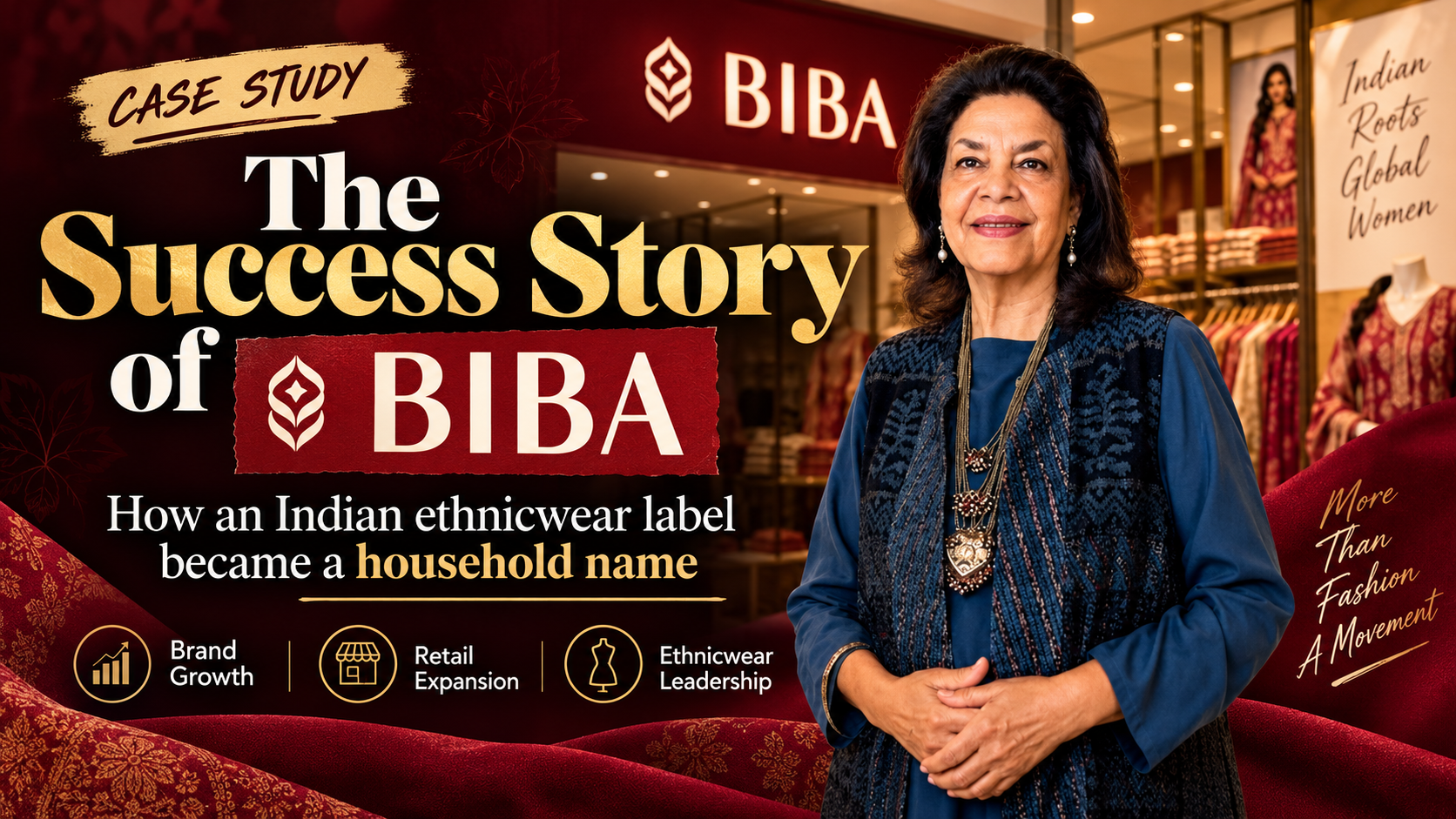
A business case study on Meena Bindra and BIBA, covering the journey from a small home-based salwar-kameez business to wholesale…
Read More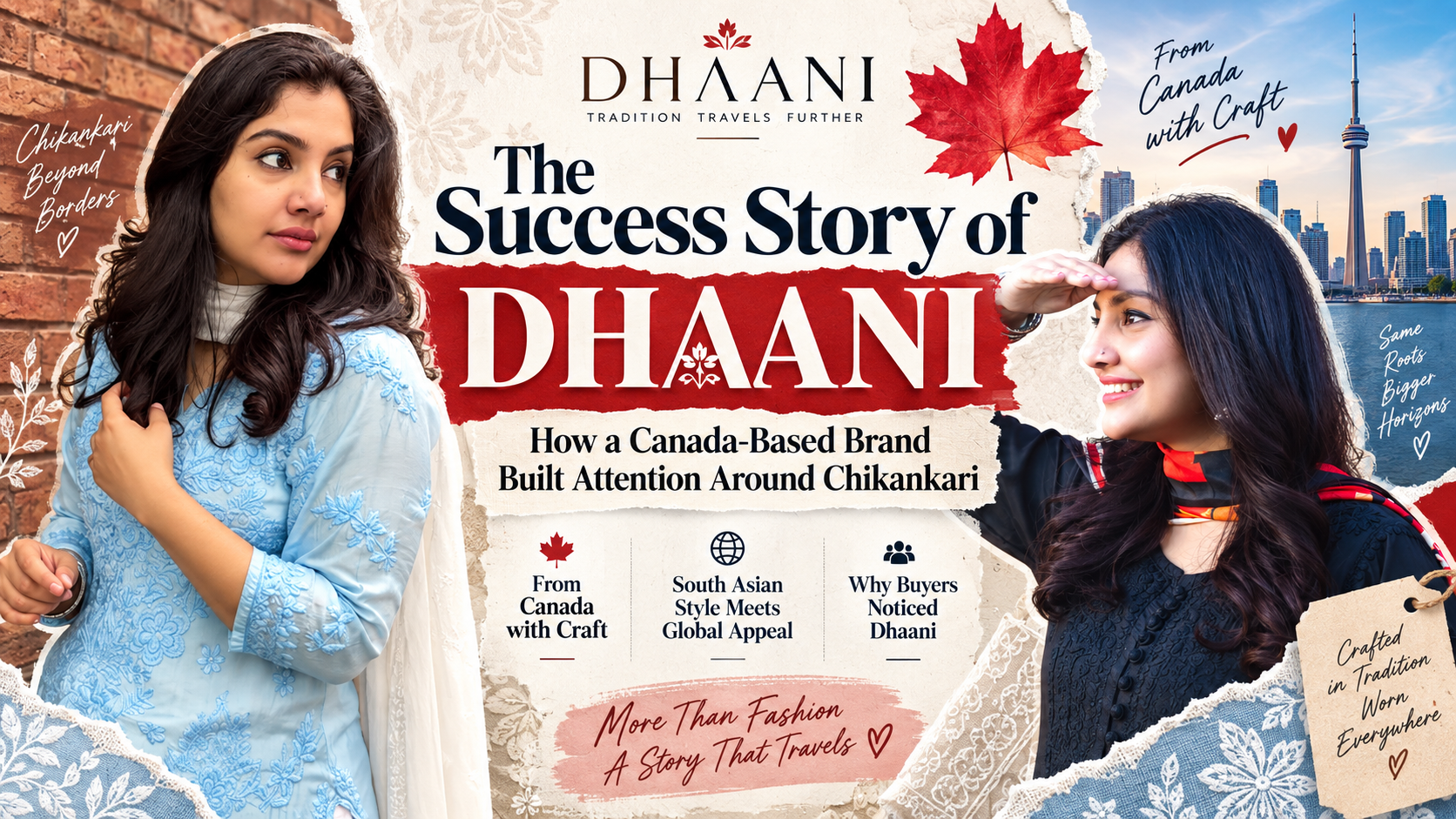
A case study on Ayesha Azeem’s Dhaani and what Chikankari and ethnicwear businesses can learn about diaspora demand, creator-led commerce,…
Read More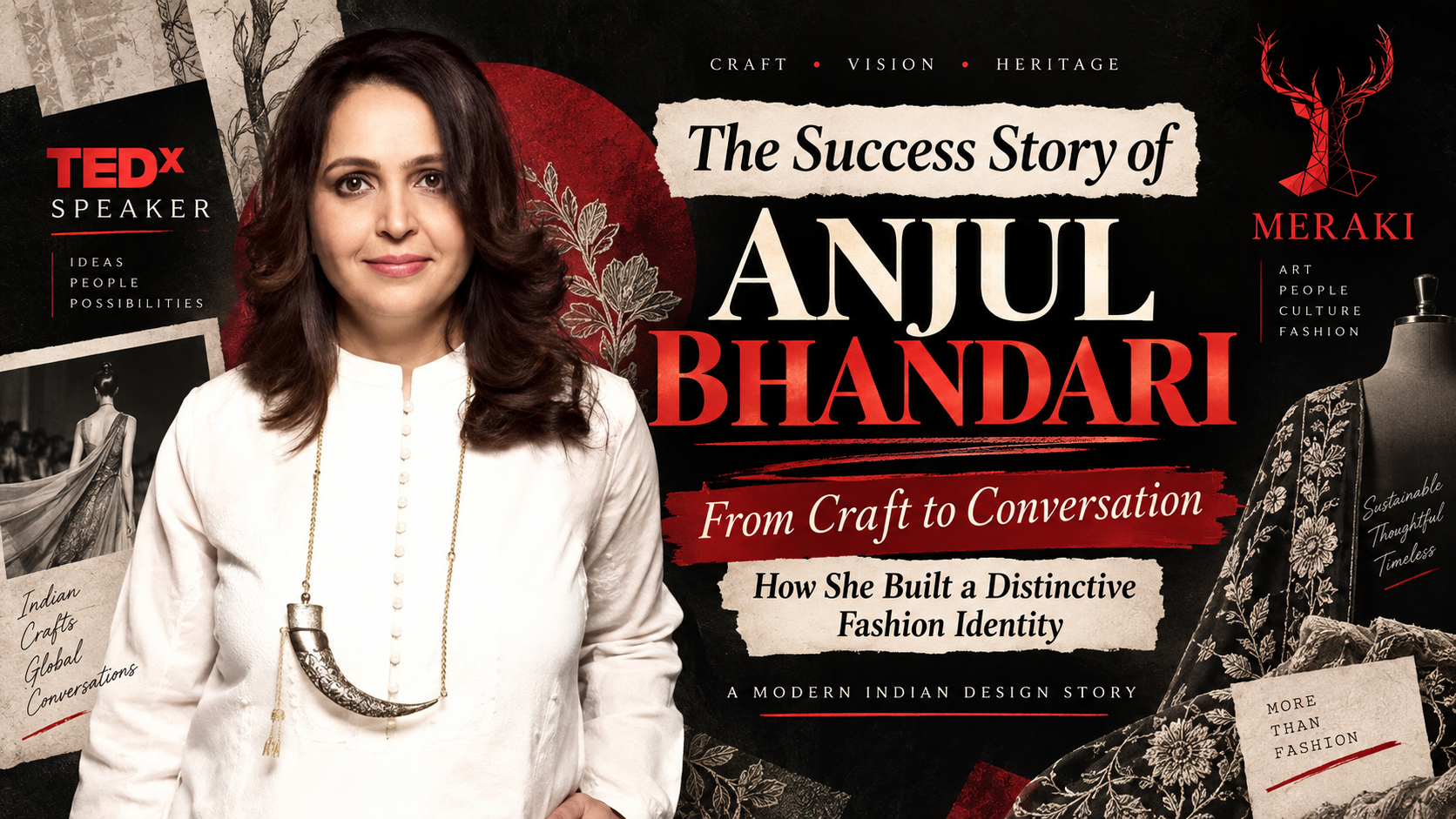
A case study on Anjul Bhandari and how a designer can build a premium craft identity around Chikankari, Kaamdani and…
Read MoreDon't have an account yet? Sign up
No items in your cart. Go on, fill it up with something you love!
Start Shopping Now