
A business case study on Suta, Sujata Biswas and Taniya Biswas, showing how storytelling, community, accessible design and direct-to-consumer retail…
Read MoreAuthentic Lucknow Chikankari | Wholesale | Manufacturing | Private Label SHOP NOW
For independent resellers, WhatsApp sellers, Instagram sellers, home-based sellers, exhibition sellers and small retail businesses sourcing Chikankari from Lucknow.
Reseller buying is different from large retail procurement. You usually need to balance cash flow, manageable opening stock, product variety, size mix, selling price, quick product information and repeat availability. This page is built around those practical reseller decisions.
For sellers sharing products through WhatsApp, Instagram, Facebook or private customer groups and converting enquiries manually.
For small businesses selling from home, appointments, referrals or community networks with controlled inventory investment.
For seasonal exhibitions, trunk shows, festive pop-ups and event sellers who need a balanced assortment with strong visual appeal.
For small websites or marketplace-led sellers that need accurate product information, sizing, inventory control and repeat-order discipline.
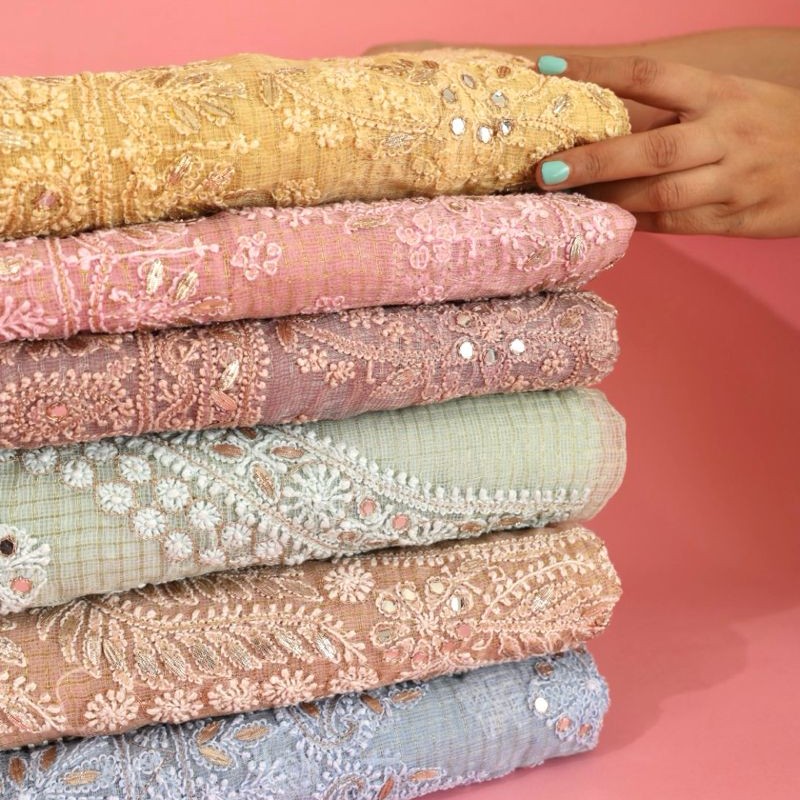
A reseller’s first objective is usually not maximum variety. It is learning what the customer actually buys without locking too much cash into slow stock.
Before selecting products, define:
Use the first order to collect selling data. Avoid buying too many similar colours or silhouettes simply because the catalogue looks attractive.
Useful when you need available products for immediate selling, exhibitions or quick stock testing.
For resellers choosing a controlled mix from available wholesale styles across categories, colours and price points.
Useful only when your sales data justifies specific changes in colour, size, fabric, silhouette or embroidery and the required quantity is commercially workable.
For established resellers building their own brand identity around approved products, sizing, labels and packaging.
Depending on actual availability and production feasibility, reseller assortments can include:
The best reseller assortment is usually not the widest one. It is the mix you can explain, sell and replenish with confidence.
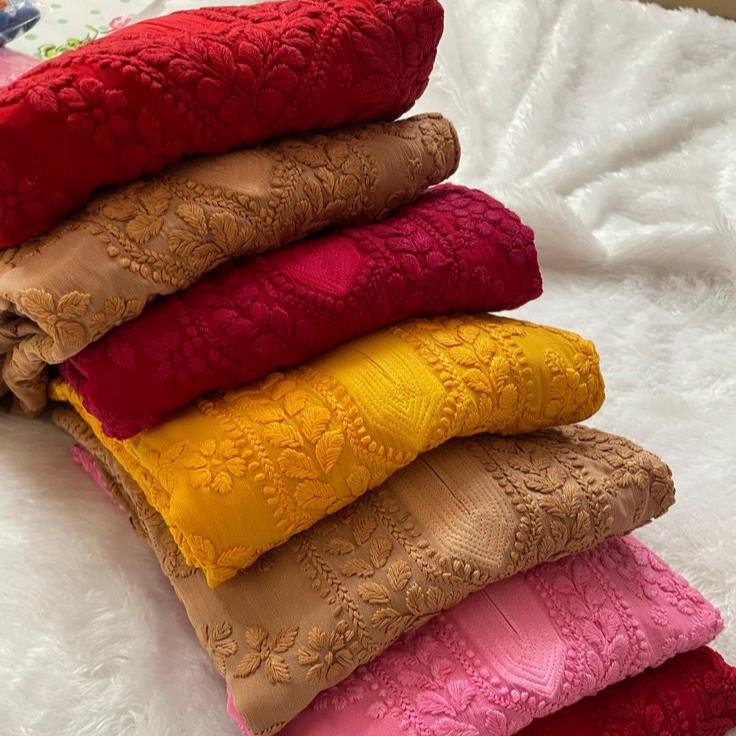
Resellers often sell remotely, so customers depend on the information you share. Keep a clean record for every product rather than forwarding images with no specifications.
Useful reseller product data includes:
Do not advertise unsupported claims such as ‘pure cotton’, ‘100% hand embroidery’ or a specific stitch name unless the actual product has been verified accordingly.
Resellers commonly depend on supplier images and videos for WhatsApp, social media or product catalogues. Image availability and permission to reuse supplier content commercially should be confirmed rather than assumed.
If imagery is provided, check that it represents the actual colour, embroidery, included pieces and current product version. If you photograph the product yourself, show a clear front view, back or side where useful, embroidery close-up and the actual set contents.
Model images, video, editing support, watermark-free files and advertising usage rights are confirmed separately for the actual sourcing arrangement.
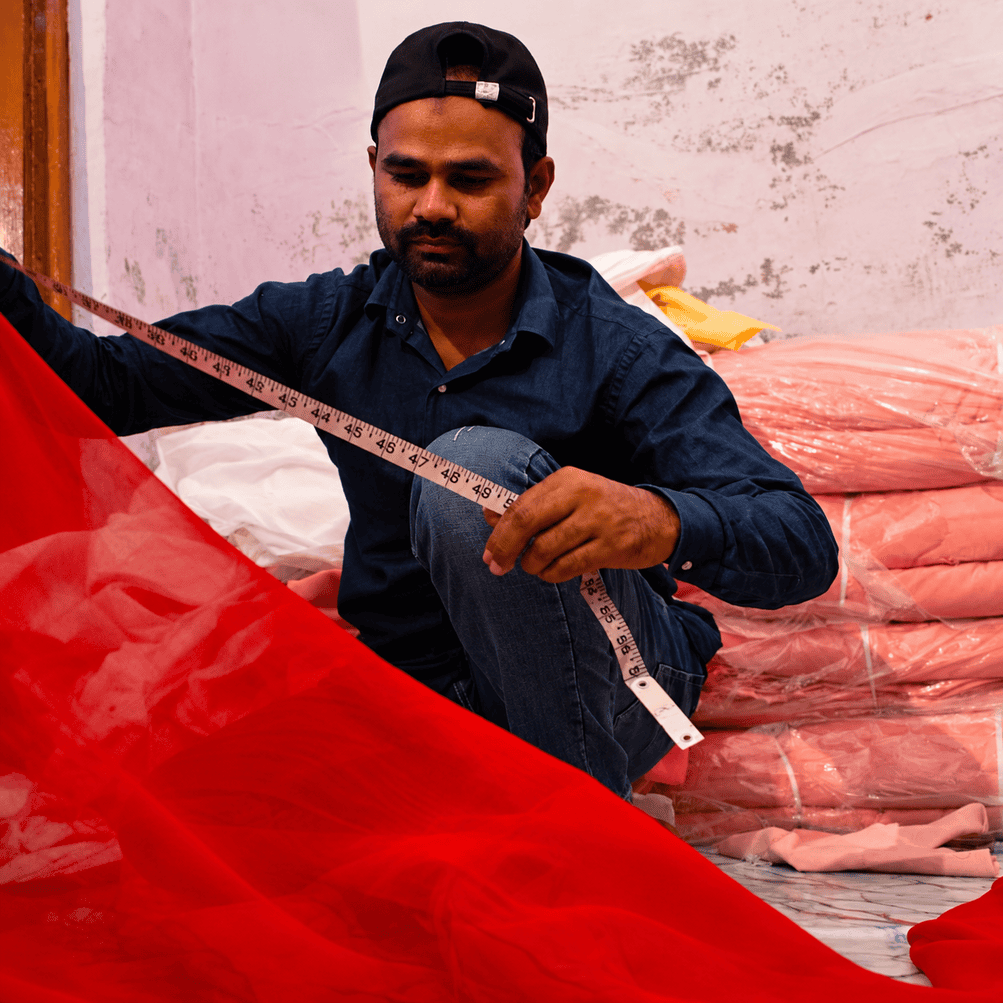
For resellers, a wrong size can mean exchange cost, courier cost, customer dissatisfaction and stock that is harder to resell.
Use actual garment measurements wherever possible instead of relying only on S, M, L labels. Record bust, waist, hip, shoulder, sleeve and garment length where relevant. For sets, record the kurta and bottom separately.
If your customers use a different local sizing convention, explain the garment measurements rather than presenting an unverified automatic conversion.
Track which sizes sell quickly and which sizes generate exchanges. Use that data to improve the size mix in later orders.
Do not choose a product only because the wholesale price looks low. Calculate how much remains after the costs required to make the sale.
Your reseller economics can include product cost, inbound freight, taxes or duties where relevant, payment fees, local delivery, packaging, discounts, exchanges, returns, exhibition fees or advertising spend.
For social sellers, also consider the time spent answering enquiries and the risk of reserving products for customers who do not complete payment.
Wholesale price, MOQ, payment terms and shipping charges vary by actual requirement and remain subject to confirmation for the specific sourcing arrangement on quotation.
Ready-stock selling gives you more control over what is physically available, but it requires inventory investment. Pre-order selling can reduce stock exposure, but only works safely when product availability, lead time, customer communication and cancellation risk are controlled.
Do not advertise a supplier catalogue as guaranteed stock unless current availability has been confirmed. A style visible today can sell out before your customer completes payment.
Dropshipping, direct-to-customer dispatch, blind shipping or supplier-side fulfilment should not be assumed. If your business requires any of these services, they are subject to confirmation for the specific sourcing arrangement before you sell against that model.
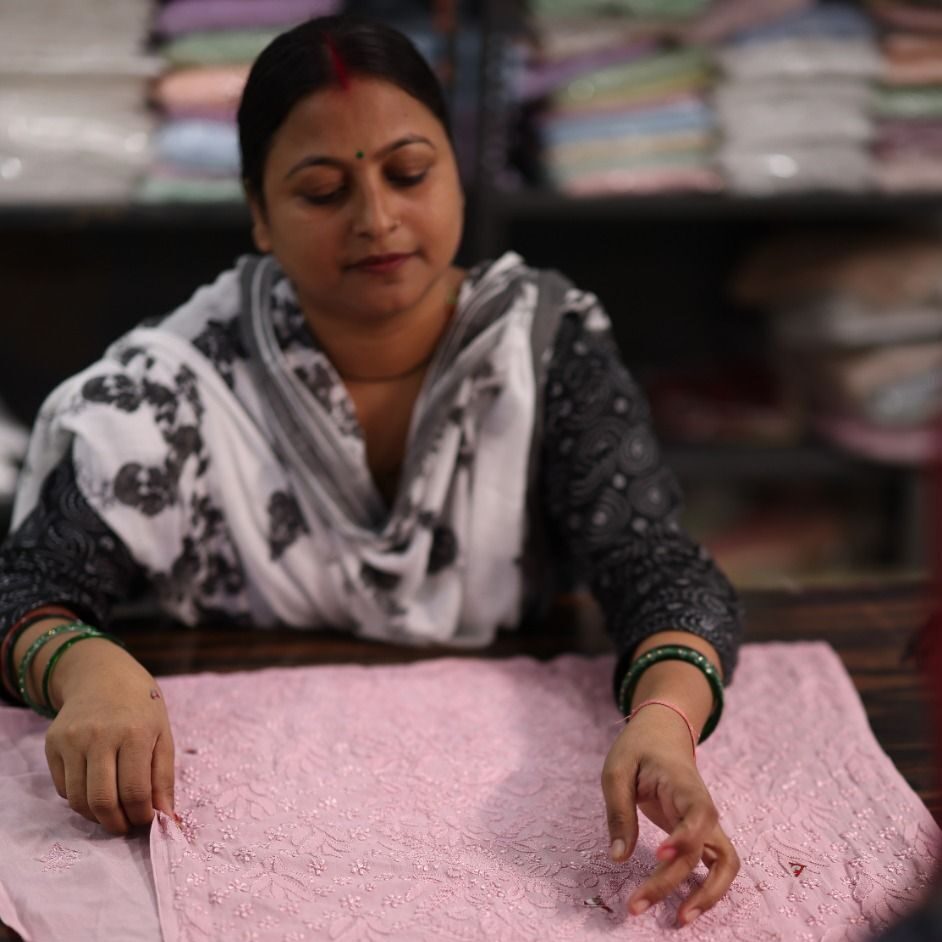
Reseller businesses depend heavily on trust and repeat customers. Before dispatching to your own customer, check that the received product matches what you advertised.
Review:
Handmade Chikankari can contain natural variation. Product descriptions should explain genuine handmade variation without using it to excuse clear defects or specification errors.
Keep a simple sales record by SKU, colour and size. Even a spreadsheet can show which products actually produce repeat enquiries and which styles only receive likes or compliments.
Track units sold, customer questions, size exchanges, returns and how quickly each style sells. Reorder proven products before stock becomes critical, but reconfirm current availability first.
Exact repeats are not always guaranteed because fabric, dye lot, handmade embroidery and ready-stock availability can change. Preserve the original product reference and measurements so the closest replacement can be evaluated if necessary.
Feedback from boutiques, retailers, resellers, importers and fashion businesses that have sourced Chikankari from us.
Boutique / Retail Buyer

Boutique Owner Canada
Repeat Wholesale Buyer

Brand Owner USA
Private Label / International Buyer

Brad Owner Lucknow
Practical guides for boutiques, retailers, resellers, importers and fashion brands covering Chikankari sourcing, authenticity, fabrics, pricing, MOQ, manufacturing, quality control, private label and international wholesale buying.

A business case study on Suta, Sujata Biswas and Taniya Biswas, showing how storytelling, community, accessible design and direct-to-consumer retail…
Read More
A business case study on Libas and Sidhant Keshwani, covering online-first ethnicwear growth, repeatable product-market fit, pricing, merchandising, marketplace scale…
Read More
A business case study on Ravi Modi and Manyavar, showing how category focus, multi-brand distribution, disciplined expansion and celebration-led positioning…
Read More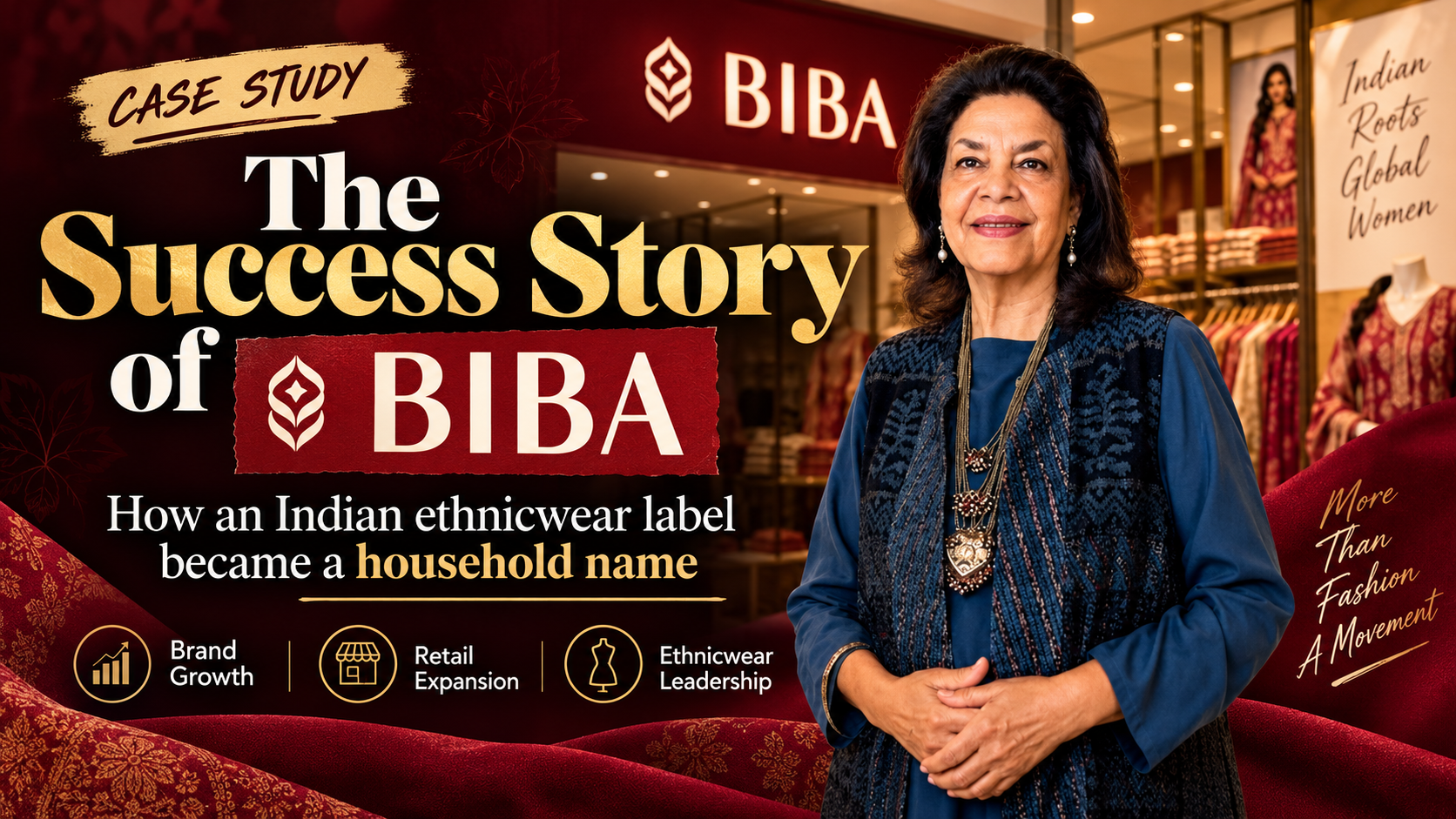
A business case study on Meena Bindra and BIBA, covering the journey from a small home-based salwar-kameez business to wholesale…
Read More
A case study on Ayesha Azeem’s Dhaani and what Chikankari and ethnicwear businesses can learn about diaspora demand, creator-led commerce,…
Read More
A case study on Anjul Bhandari and how a designer can build a premium craft identity around Chikankari, Kaamdani and…
Read MoreDon't have an account yet? Sign up
No items in your cart. Go on, fill it up with something you love!
Start Shopping Now