Authentic Lucknow Chikankari | Wholesale | Manufacturing | Private Label SHOP NOW
Authentic Lucknow Chikankari | Wholesale | Manufacturing | Private Label SHOP NOW

DESIGNING
Every Piece Begins With a Clear Design Direction
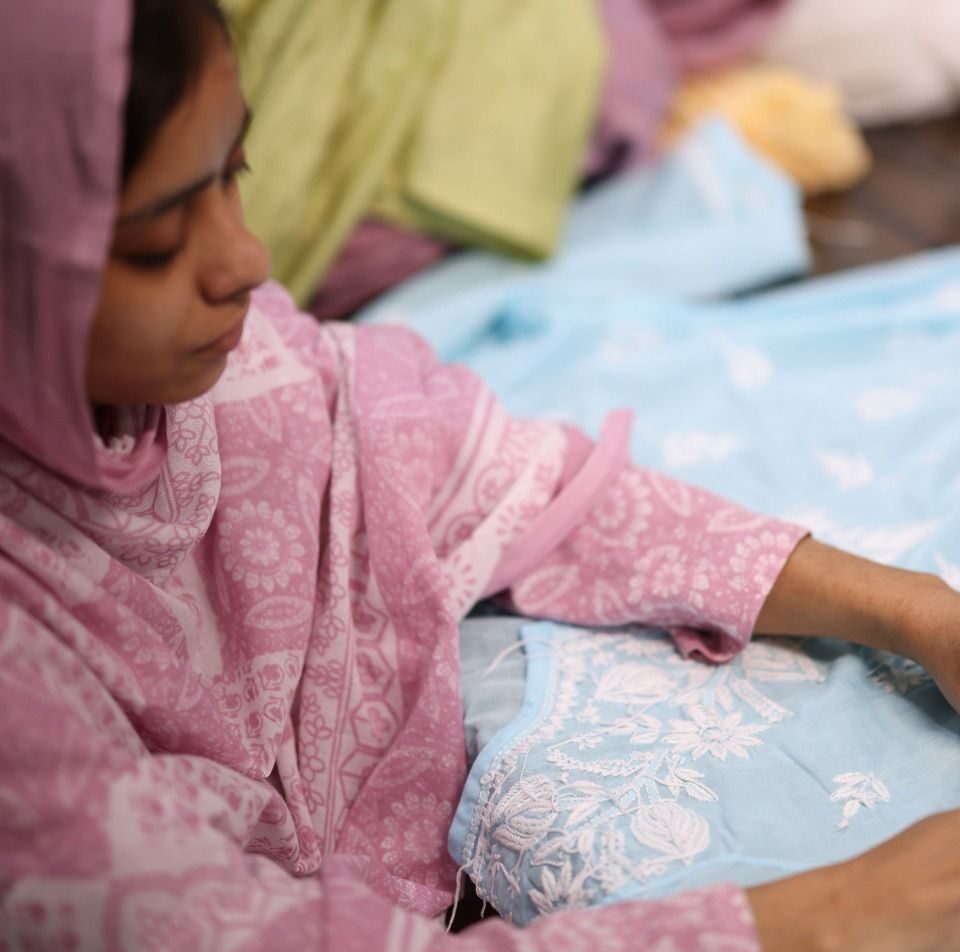
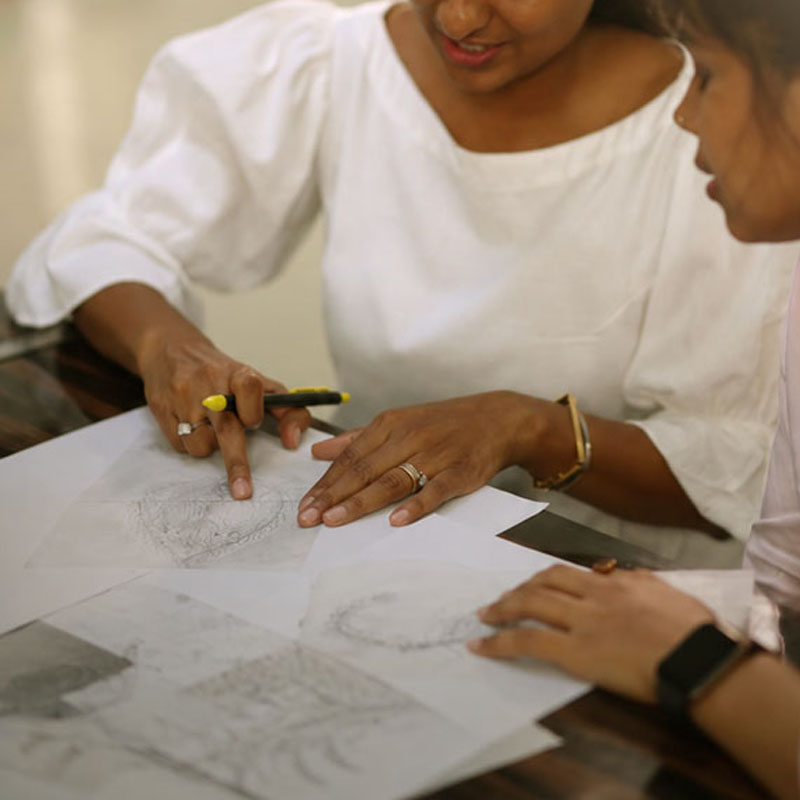
Designing sets the direction for the entire garment. The silhouette, neckline, sleeve style, garment length, embroidery placement, motif density and overall look are considered together so the finished product feels balanced and commercially relevant. For wholesale and custom collections, this stage also helps align the design with the intended customer, price segment and product category.
SOURCING
The Right Fabric Creates the Right Foundation
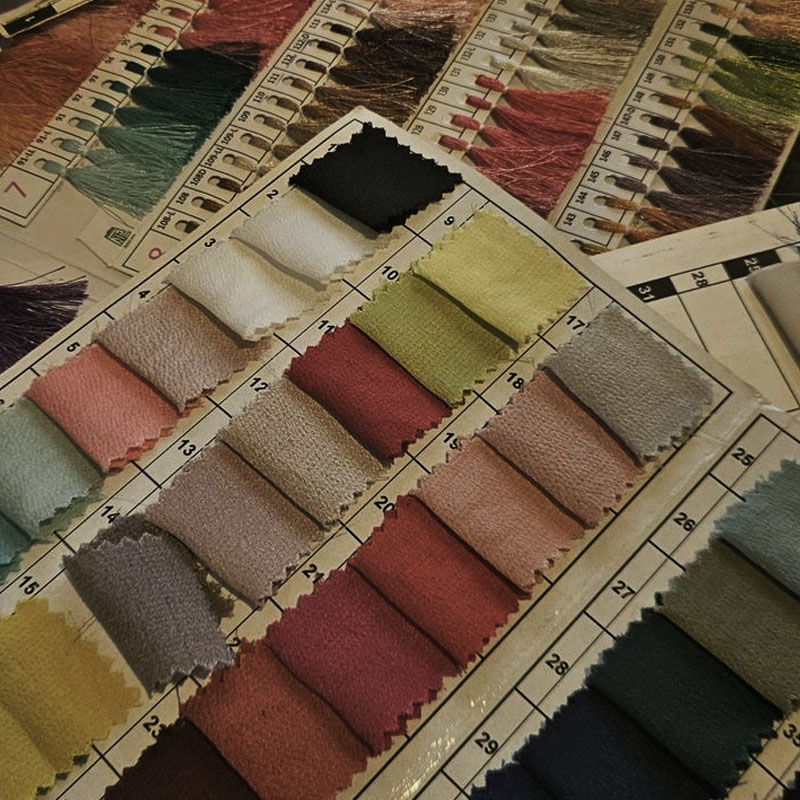
Not every fabric behaves the same under Chikankari embroidery. The choice depends on factors such as weight, transparency, texture, drape, embroidery suitability and the type of garment being developed. Cotton, modal, rayon, muslin, georgette, chanderi and other fabrics can create very different outcomes, making thoughtful fabric selection an important part of product development.
STITCHING
Building the Garment Before the Craft Begins
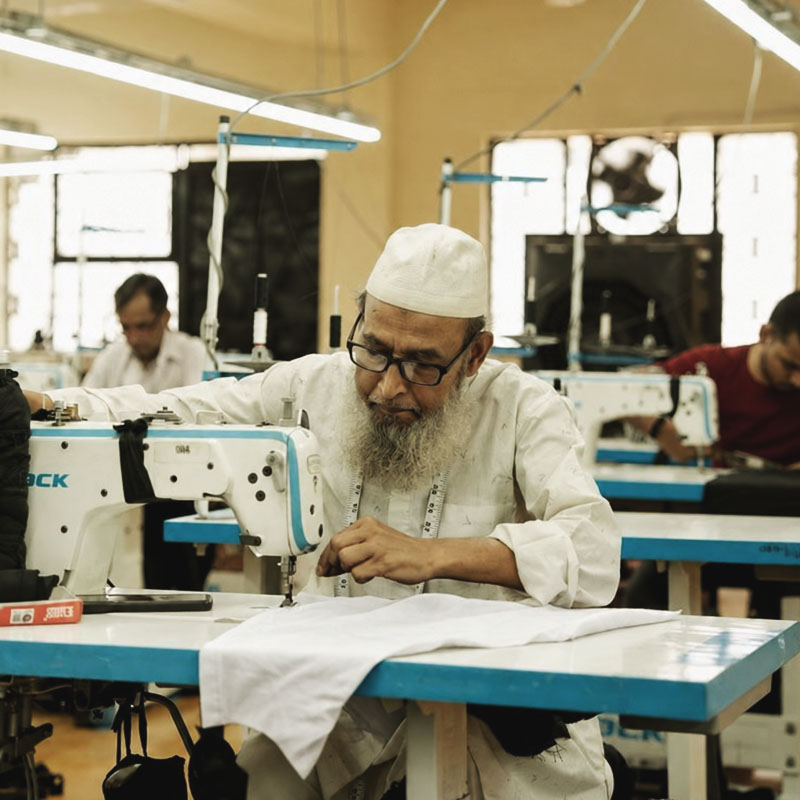
Once the design and fabric are finalised, the garment is cut and stitched according to the approved measurements and silhouette. Construction, seam alignment, neckline shape, sleeve placement and overall proportions are checked carefully because the embroidery and finishing stages depend on a properly constructed base garment.
BLOCK PRINTING
Chapai Maps the Embroidery On the Fabric
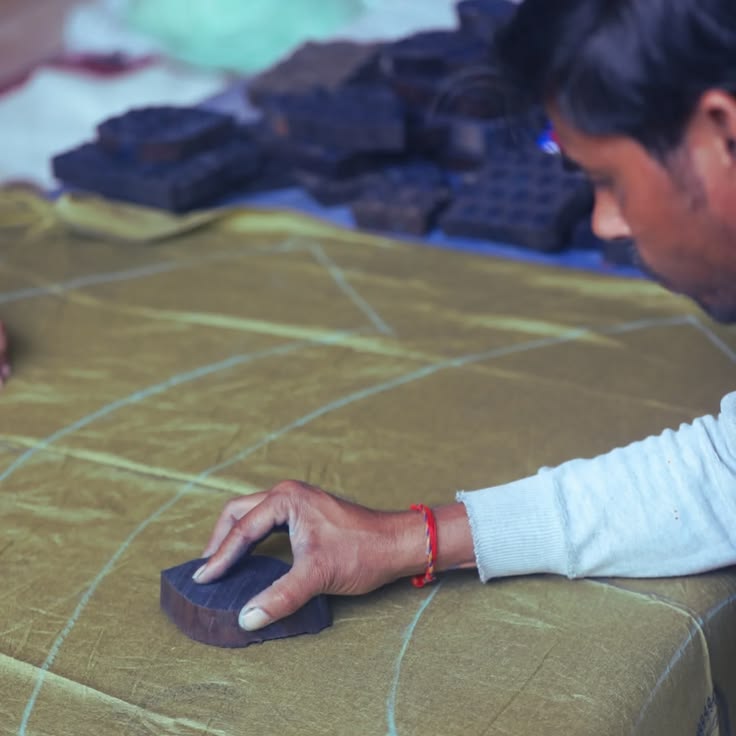
In the Chapai stage, the planned embroidery design is transferred onto the fabric using temporary washable markings. These guides help define motif placement, borders, floral patterns and embroidery coverage. Accurate Chapai is important because it provides the visual framework that the artisan follows during hand embroidery.
EMBROIDERY
Skilled Hands Bring the Design to Life
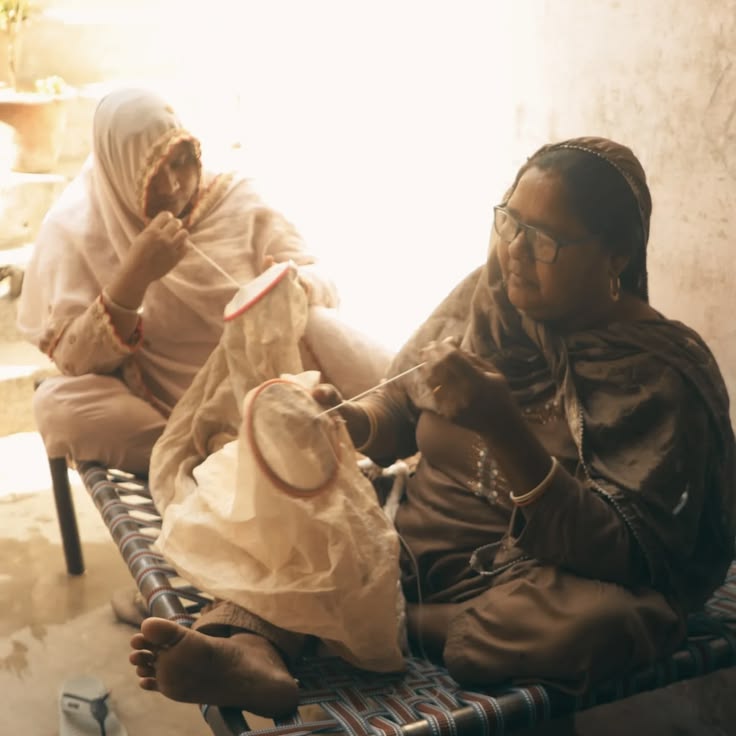
This is where the character of Chikankari truly emerges. Artisans embroider over the printed design using stitches appropriate to the motif, fabric and desired effect. The density, thread tension and execution of the work may vary slightly from piece to piece, reflecting the handmade nature of the craft rather than machine-made uniformity.
WASHING
Washing Reveals the Real Embroidery
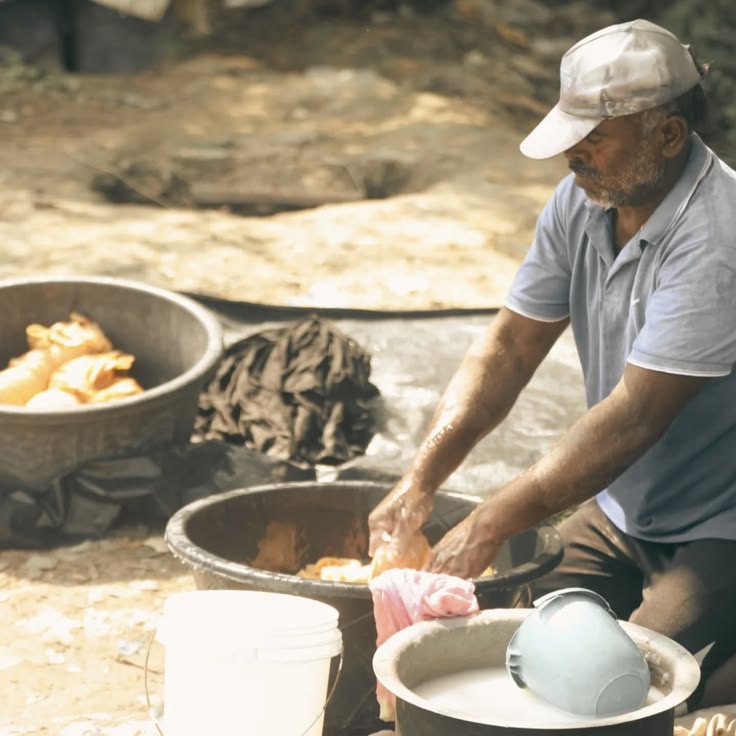
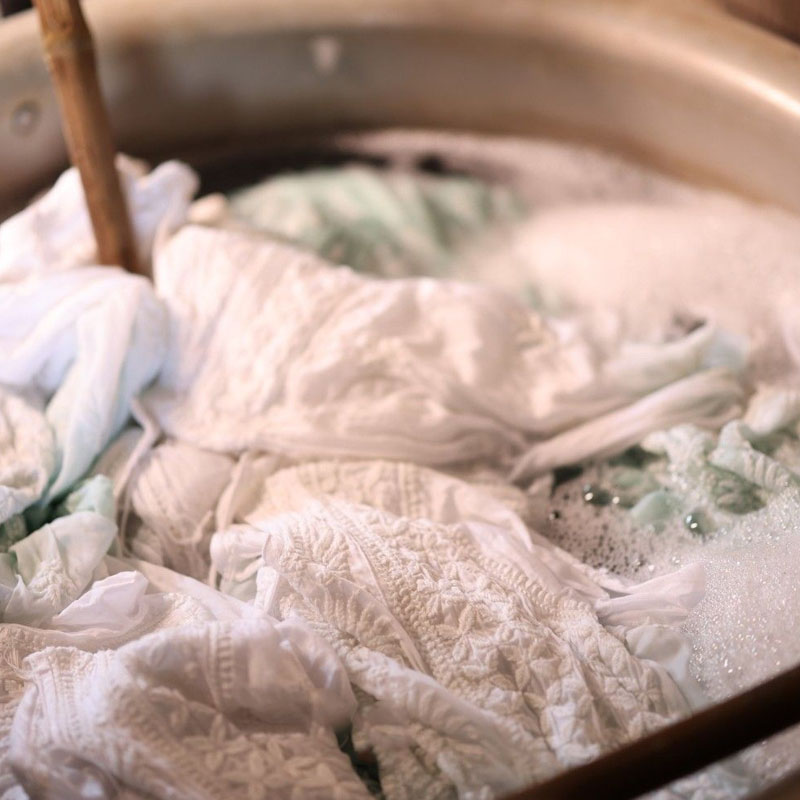
After the embroidery is completed, the garment moves to washing. This stage removes the temporary block-printing marks and any residue left during the embroidery process. Once cleaned, the actual embroidery becomes clearer, allowing the fabric, stitches and overall workmanship to be assessed more accurately.
DYEING
Colour Adds Another Layer to the Finished Product
Dyeing may be used when the product or collection requires a specific colour direction. The process needs careful attention to shade consistency, fabric behaviour and the way colour interacts with the embroidered surface. For wholesale collections, maintaining reasonable colour consistency across a production batch is especially important.
FINISHING
The Final Details Bring Everything Together
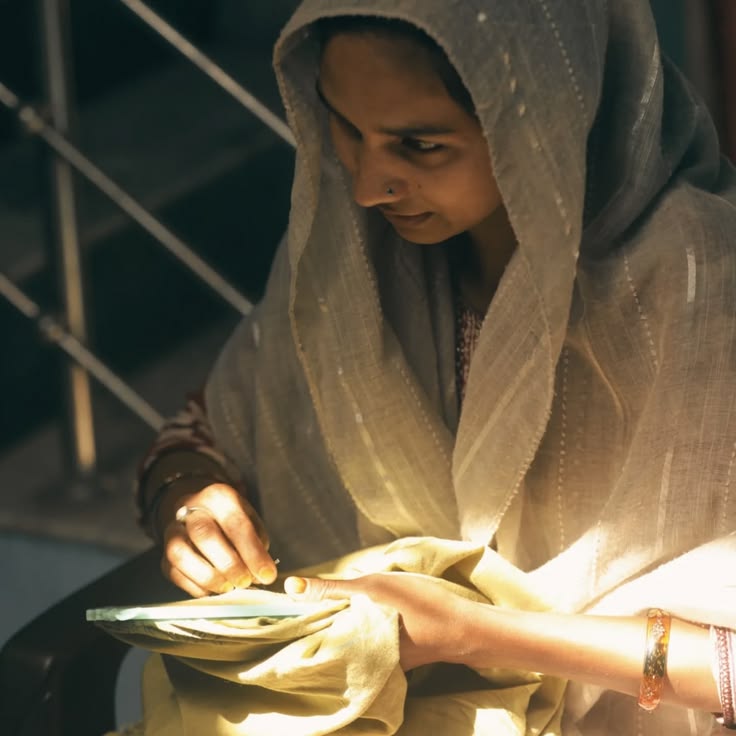
Loose threads are trimmed, garments are pressed and the overall appearance is reviewed before packing. Measurements, embroidery, stitching, colour, finishing and other visible details can be checked at this stage so that issues are identified before the product moves into final order preparation.
PACKING
Preparing Every Order for Its Next Destination
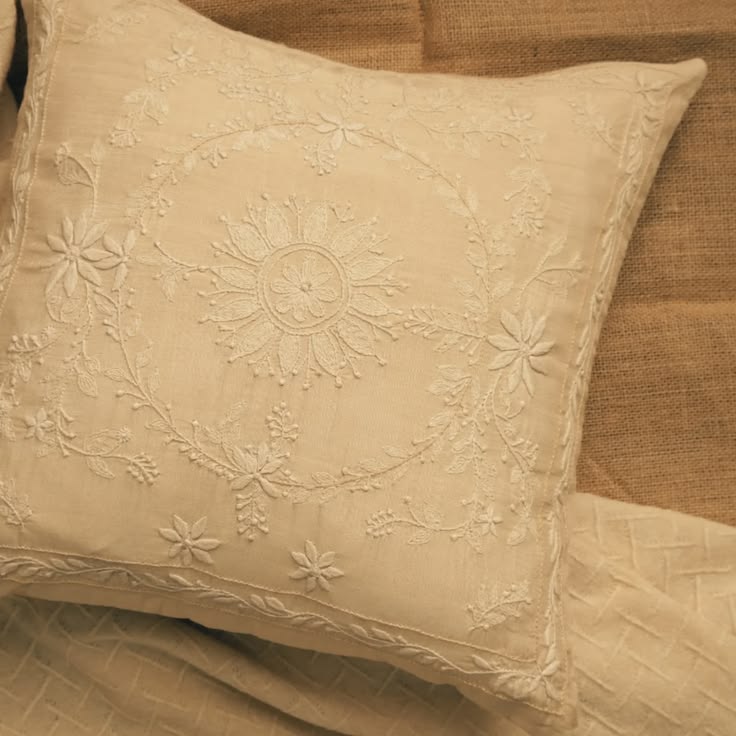
The final stage brings the completed products together for dispatch. Pieces can be sorted by design, size or SKU, checked against order quantities and folded for packing. Depending on the confirmed buyer requirement, this stage may also include applicable labels, tags or buyer-specific packing arrangements before the order is prepared for shipment.