Authentic Lucknow Chikankari | Wholesale | Manufacturing | Private Label SHOP NOW

Authentic Lucknow Chikankari | Wholesale | Manufacturing | Private Label SHOP NOW
UK B2B CHIKANKARI SOURCING
Source Lucknowi Chikankari from India for the UK
For UK importers, boutiques, ethnicwear retailers, ecommerce sellers, resellers, exhibitors and fashion brands looking to source Chikankari directly from India.
ChikankariWholesale.com is based in Lucknow, Uttar Pradesh. This page is designed to help UK B2B buyers evaluate wholesale sourcing, ready stock, custom manufacturing, private label, sizing, sampling, textile labelling, customs, landed cost and repeat ordering before placing a commercial order.
Who This UK Sourcing Page Is For
Importers & Distributors
For UK businesses importing Chikankari for wholesale distribution, multi-store supply, retail networks or trade customers.
Boutiques & Retailers
For independent boutiques, ethnicwear stores and multi-brand retailers sourcing curated kurtas, sets, sarees, dresses, dupattas and festive products.
Fashion Brands & Private Label
For UK labels developing Chikankari around their own silhouettes, measurements, brand identity, packaging and product specifications.
Resellers, Exhibitors & Ecommerce Sellers
For online sellers, exhibition businesses, pop-ups, trunk shows and social-commerce sellers planning a commercially focused assortment.
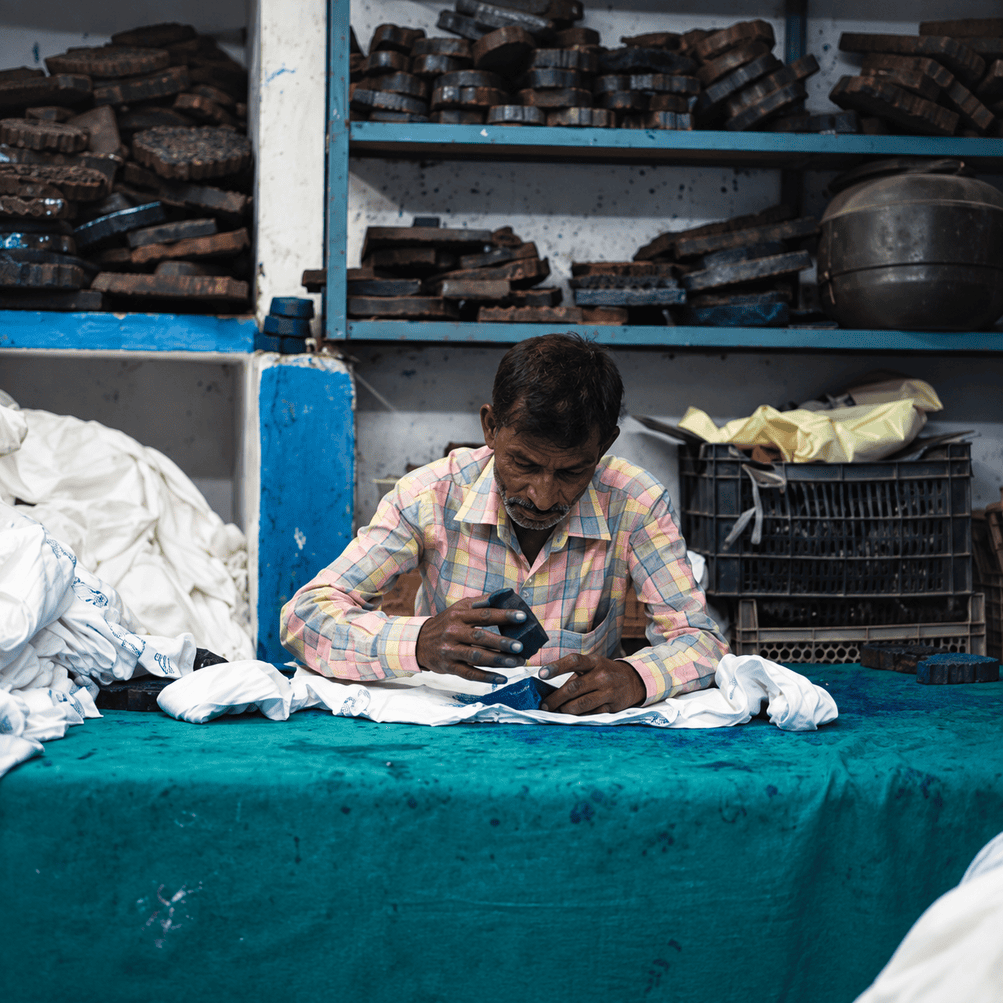
Why Source Chikankari from Lucknow, India?
Lucknow is the historic centre most closely associated with Chikankari. For UK buyers, sourcing from Lucknow creates a more direct route to evaluate embroidery character, fabrics, workmanship and product-development specifications.
The commercial value comes from specifying the product precisely—fabric, embroidery method, stitch character, silhouette, colour, measurements, finishing and quantity—then approving the actual sample or production reference against those requirements.
For businesses marketing products as authentic Lucknow Chikankari, provenance and visual product evidence should form part of the buying process rather than being treated only as a marketing phrase.
What UK Buyers Can Source
Women’s Chikankari
Kurtis, kurtas, kurta sets, suit sets, dresses, co-ords, tops, sarees, dupattas, lehengas and bottoms for everyday, occasion and festive retail.
Men’s Chikankari
Men’s kurtas, kurta-pajama sets, shirts and related categories for wedding, festive and contemporary ethnicwear assortments.
Fabric & Unstitched
Chikankari fabric, unstitched kurta pieces, unstitched suit sets and fabric-led requirements for businesses completing stitching or styling in the UK.
Plan Chikankari Around UK Seasons and Selling Occasions
UK buyers should plan the assortment around their customer and calendar rather than assuming Chikankari is only a summer product.
- Spring and summer: cotton, Mulmul, Muslin and lighter silhouettes can support breathable everyday and occasion dressing.
- Wedding and festive periods: richer sets, sarees, dupattas, occasion fabrics and denser embroidery can support higher-value merchandising.
- Autumn and winter: layering, longer silhouettes, occasion dressing and indoor festive use can extend the category beyond warm weather.
- Exhibitions and pop-ups: combine proven accessible pieces with a smaller number of visually stronger products that attract footfall and test premium price points.
Use your own sales data and customer profile to determine the final mix rather than copying a generic UK assortment.
Choose the Right Sourcing Model for the UK
Ready Stock
Useful when speed, exhibition timing or immediate product availability matters more than customisation.
Curated Wholesale
For boutiques and resellers building an assortment from available styles across product categories and price points.
Custom Manufacturing
For buyers requiring changes in fabric, colour, silhouette, embroidery, sizing, length or construction.
Private Label
For UK fashion brands that need products developed around their own measurements, approved labels, packaging and brand specifications.

Sizing Chikankari for UK Customers
UK size labels should not be inferred directly from Indian labels. Wholesale buyers should work from actual garment measurements and fit rather than assuming that S, M, L or numerical size labels are interchangeable across markets.
For private-label development, provide your target-market size chart or tech pack where possible. Fit-test the approved sample before relabelling or scaling to bulk production.
For product pages and resale, clearly communicate whether measurements refer to the body or the finished garment.
UK Import Planning: Commodity Codes, VAT, Duty & UK–India CETA
UK commercial importers should classify the exact garment or textile product using the UK Trade Tariff. The commodity code determines the relevant customs-duty treatment and helps complete the customs declaration correctly.
The UK–India Comprehensive Economic and Trade Agreement entered into force on 15 July 2026. During India’s transition out of the Developing Countries Trading Scheme, eligible businesses can use the preferential arrangement that applies to the product, provided the relevant rules of origin and evidence requirements are met.
Do not assume that every Chikankari garment receives the same duty rate. Classification can change based on garment type, fibre composition, gender/category and construction. UK import VAT and any duty should be built into the landed-cost calculation alongside freight, insurance where applicable, brokerage/clearance and domestic delivery.
For commercial imports, the UK importer should also confirm the required EORI/customs arrangements and whether a customs agent will be used.
UK Textile Labelling: Build Fibre Information Into the Product Brief
UK guidance requires textile products placed on the market in Great Britain to show fibre content. Where a textile product has multiple components with different fibre compositions, the relevant fibre content may need to be shown for each component.
For a wholesale or private-label order, the UK buyer should confirm the exact fibre composition before labels are printed in bulk. Product descriptions, ecommerce listings and packaging should use accurate fibre names and should not make unsupported composition claims.
If a product includes fur or other non-textile parts of animal origin, that also needs to be disclosed under the applicable textile-labelling rules.
For Northern Ireland, regulatory treatment can differ from Great Britain, so importers should check the route and destination before relying on GB-only guidance.
What to Approve Before a UK Shipment
- Final style/SKU list and quantity by colour and size
- Fabric identity and fibre composition
- Embroidery type, placement and approved quality reference
- Garment measurements and size breakdown
- Brand, size, fibre and care labels as required
- Commercial invoice descriptions and product references
- Commodity-code information required by the UK importer or broker
- Origin documentation where a preferential tariff is being claimed
- Carton count, gross/net weight and packing list
- Shipping method, consignee and customs-clearance arrangements
Exact freight cost, duty, VAT, transit time and clearance charges should be confirmed against the final order rather than published as universal figures.
A Practical UK-to-Lucknow Sourcing Workflow
- Share the buyer brief: UK location, business type, product categories, approximate quantity and target price position.
- Select the sourcing route: ready stock, curated wholesale, custom manufacturing or private label.
- Shortlist product and fabric: choose silhouettes, colours, fabric direction and embroidery level.
- Review samples: confirm quality, sizing, embroidery, fit and finishing before scaling custom work.
- Lock UK requirements: fibre information, labels, packaging, customs data and any origin evidence required.
- Confirm commercial order: quantity, pricing, payment terms, production/dispatch estimate and shipping method.
- Import and clear in the UK: importer or customs agent handles the declaration, commodity code, tariff treatment, VAT and release.
- Track sell-through and reorder: preserve product, size, fabric and sample references for repeat buying.
Sourcing for London, Birmingham, Leicester, Manchester & Across the UK
ChikankariWholesale.com does not claim a UK office or warehouse. The business is based in Lucknow, India, and this page is intended for B2B buyers sourcing into the United Kingdom.
A London boutique, Leicester ethnicwear retailer, Birmingham exhibition business, Manchester ecommerce seller or UK-wide private-label brand may need different assortment depth, price points, sizing and product presentation.
Rather than creating thin city pages, share the actual customer segment and sales channel so the sourcing plan can be built around a real commercial brief.
Chikankari Wholesale UK FAQs
Yes. UK-based boutiques, importers, retailers, resellers, ecommerce sellers and brands can source Chikankari from India. Product specifications, shipping, customs classification, importer arrangements and UK textile-labelling requirements should be confirmed for the actual order.
No. ChikankariWholesale.com is based in Lucknow, Uttar Pradesh, India. This is a B2B sourcing page for UK buyers and does not imply a UK office, warehouse or local entity.
B2B enquiries can be reviewed for boutiques, retailers, resellers, exhibition businesses, ecommerce sellers, importers and fashion brands. Availability, quantity, pricing and shipping are confirmed against the specific enquiry.
Private-label requirements can be reviewed based on fabric, embroidery, silhouette, sizing, branding, packaging, quantity and production feasibility. An approved sample and specification are recommended before bulk production.
MOQ is not one universal number. It can vary by product, ready-stock availability, fabric, embroidery, customisation and production model. The applicable MOQ should be confirmed on the quotation for the actual requirement.
Freight depends on shipment weight and dimensions, service level, destination, courier or freight route and commercial terms. Shipping should be quoted against the final packed shipment rather than treated as a fixed UK-wide rate.
There is no single duty rate for every Chikankari product. The rate depends on the UK commodity code, product construction, fibre composition, origin and any available preferential tariff treatment. The importer or customs agent should classify the exact goods.
The UK–India Comprehensive Economic and Trade Agreement entered into force on 15 July 2026. Preferential tariffs can apply to qualifying products that meet the relevant tariff and rules-of-origin conditions. The exact treatment must be checked against the product’s commodity code and required origin evidence.
Yes, covered textile products placed on the market in Great Britain must show fibre content. The composition must be accurate, and products with multiple textile components can have additional composition requirements.
Yes. Sampling is useful for evaluating fabric, embroidery, measurements, fit and finishing, particularly for custom manufacturing or private-label development.
Buyer-specific sizing can be reviewed for custom or private-label development. For best control, provide your own target-market measurement chart or tech pack and approve the sample before production.
Send your city/region, business type, product categories, approximate quantity, sourcing model, preferred fabrics or styles, target price position and required timeline. For custom work, include reference images, size charts or a tech pack where available.