Authentic Lucknow Chikankari | Wholesale | Manufacturing | Private Label SHOP NOW
Authentic Lucknow Chikankari | Wholesale | Manufacturing | Private Label SHOP NOW

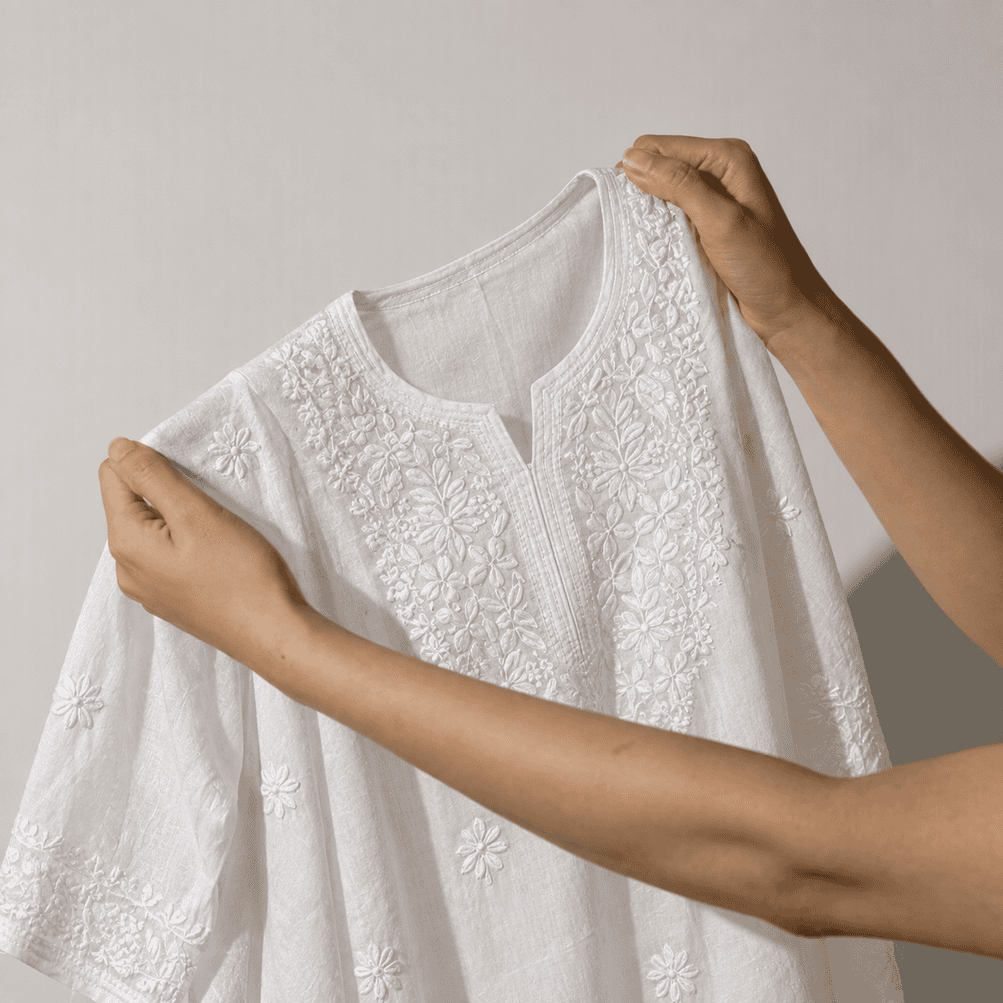
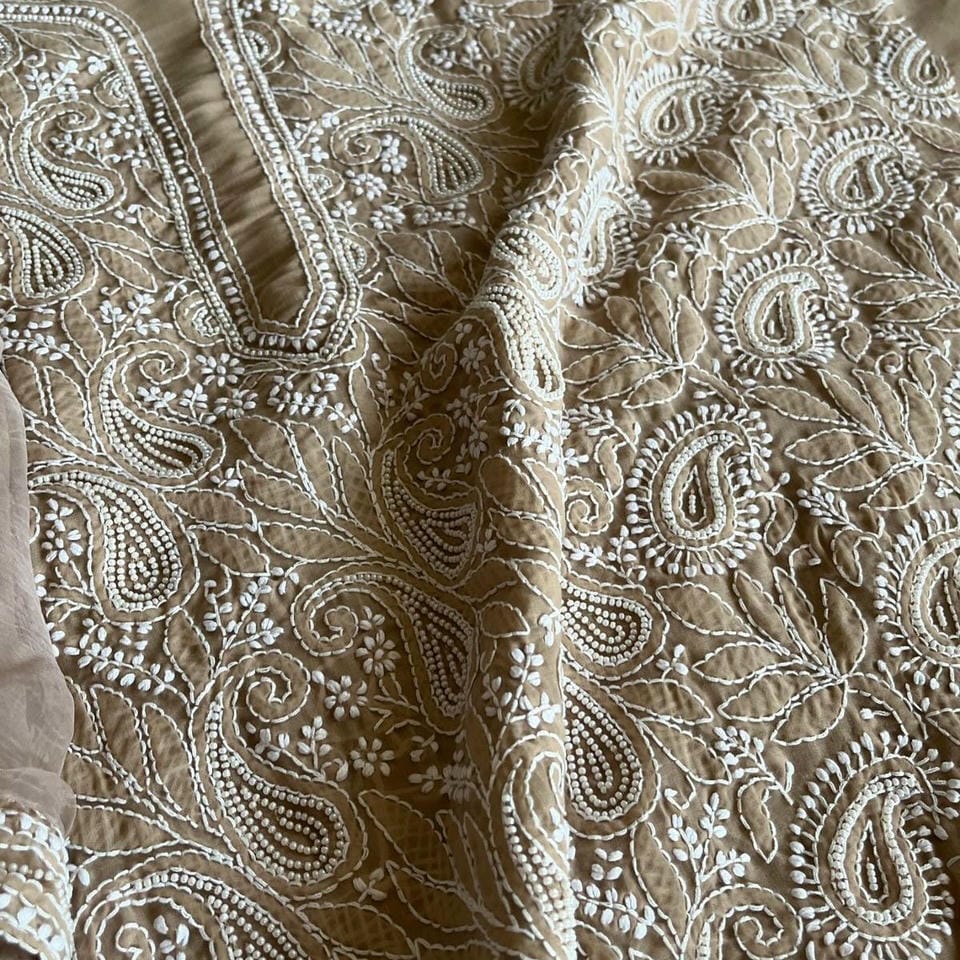
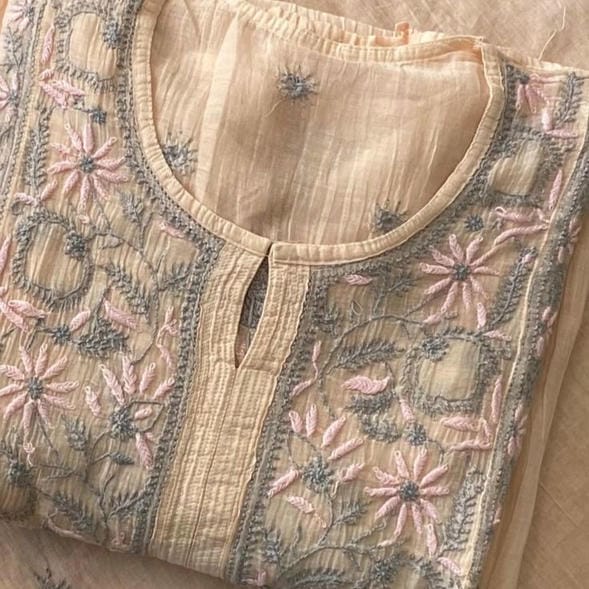
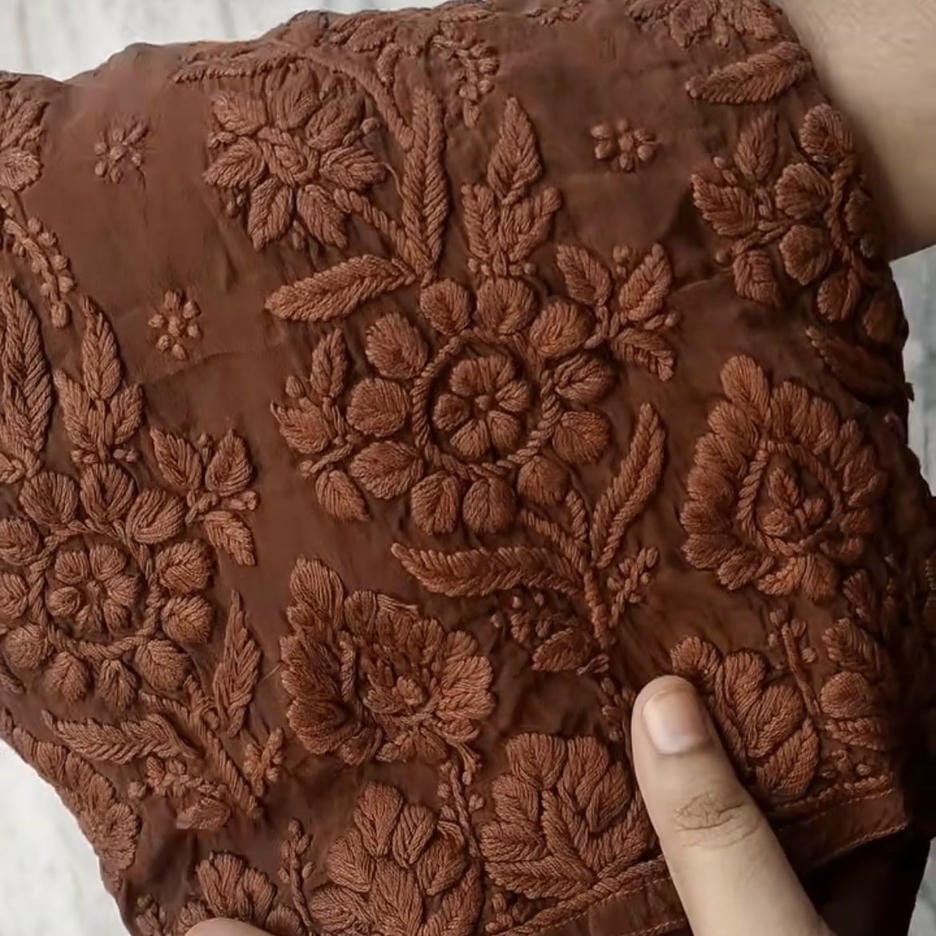
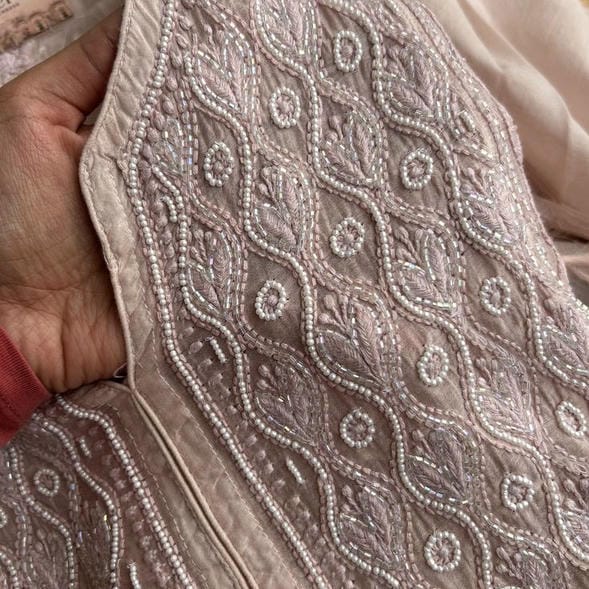
Chikankari needs gentler handling than ordinary everyday clothing because the embroidery can snag, stretch or lose shape when the garment is scrubbed, twisted, overheated or stored while damp.
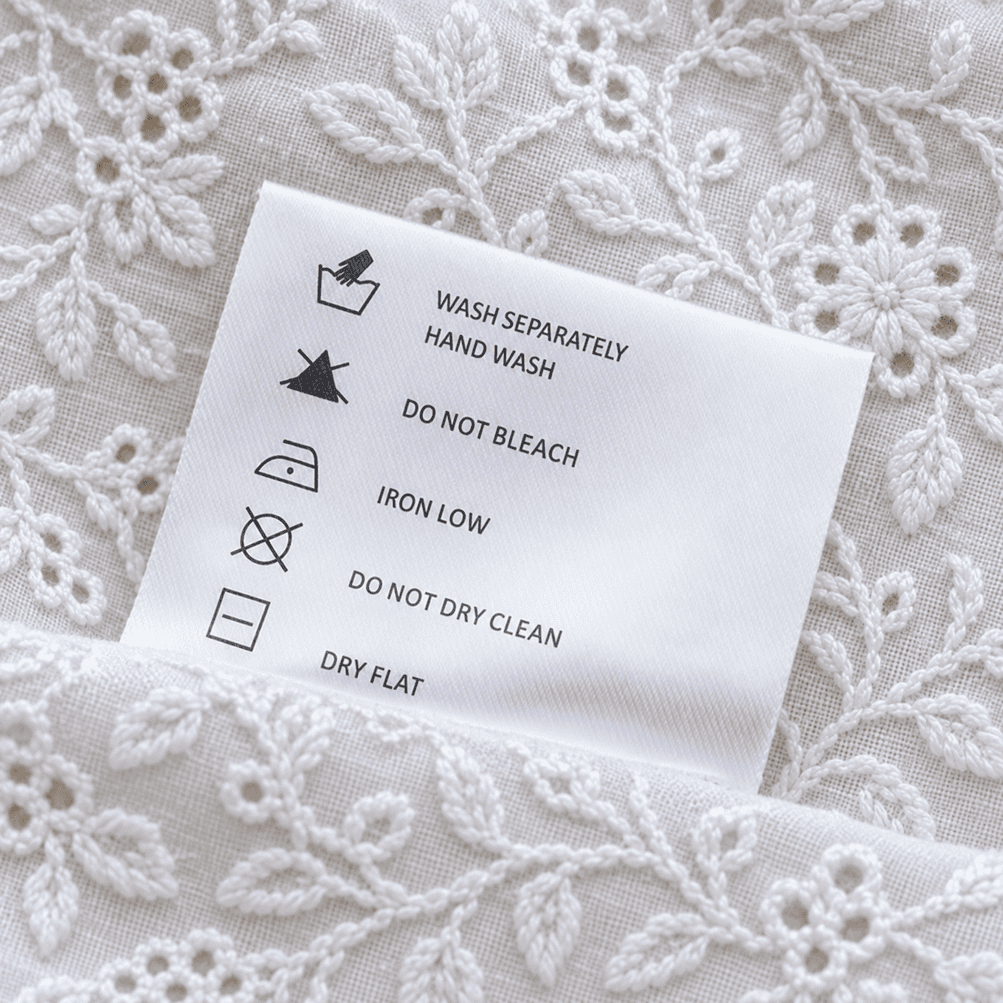
This guide brings together practical care recommendations for washing, drying, ironing, storage and embroidery handling. Always follow the care label supplied with the specific garment first, because the correct method can change with fabric, dye, lining and embellishment.
Quick answer: For most delicate Chikankari, gentle hand washing in cold water with a mild liquid detergent, no scrubbing or wringing, shade drying and reverse-side low-to-medium ironing are the safest starting points. Heavy, fragile, vintage or highly embellished pieces need more cautious handling.
Read the care label first, then inspect seams, embroidery and any embellishment. Turn the garment inside out to reduce direct friction on the embroidered surface. If the colour is unfamiliar or strongly dyed, test a hidden area for colour transfer before washing the full piece.
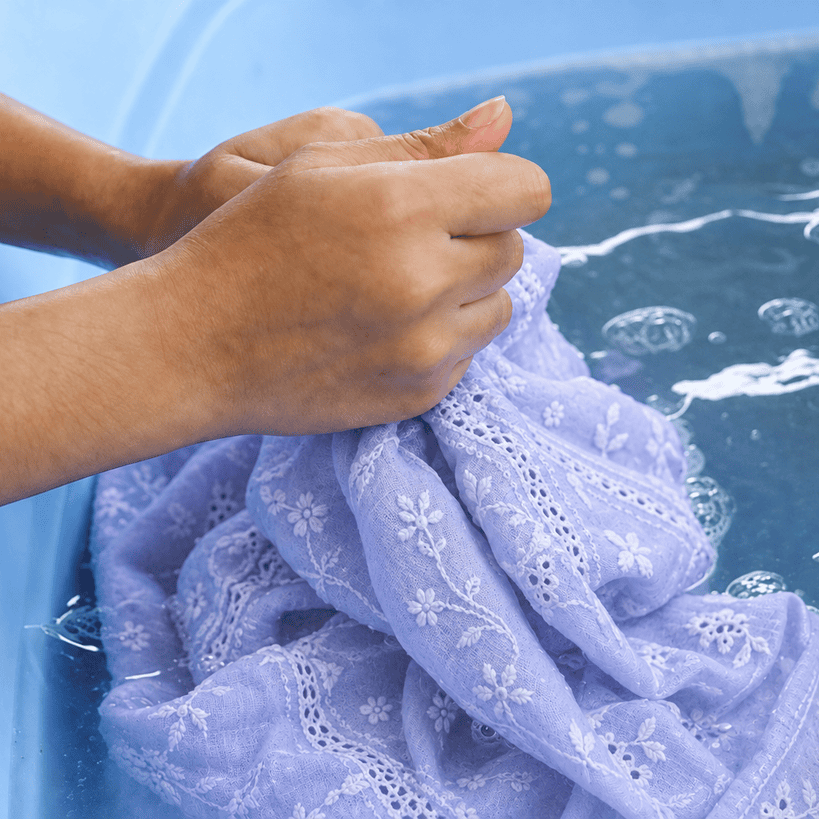
For delicate hand embroidery, hand washing is the safest general method when the garment care label permits washing. Use cold water and a small amount of mild liquid detergent. Keep soaking brief—about 5 to 10 minutes is a practical range used in the reference care guides.
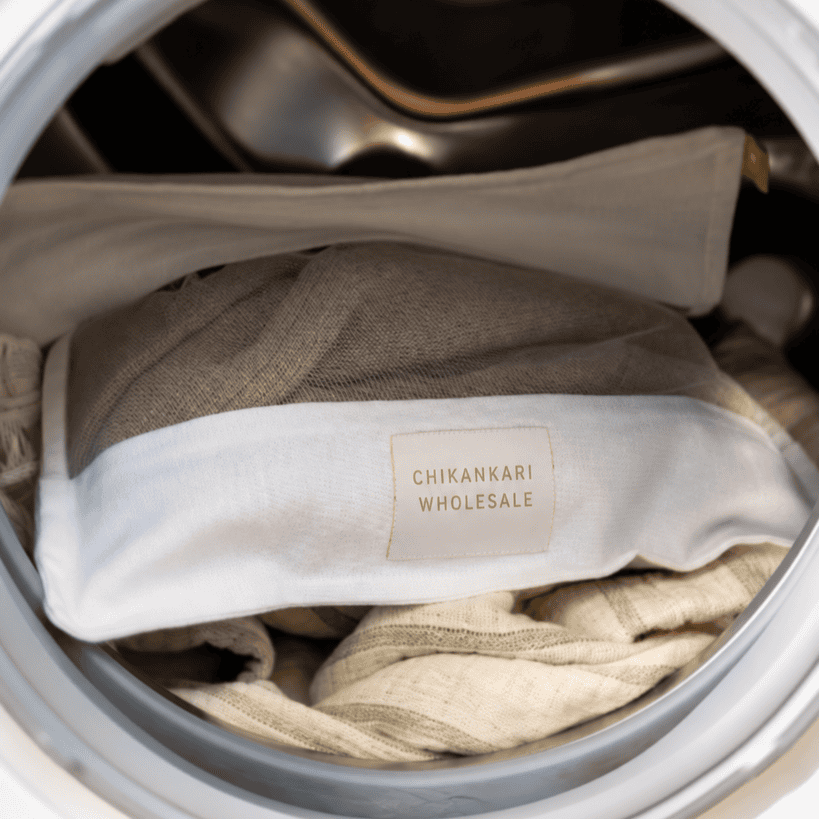
Machine washing should be the exception rather than the default for Chikankari. If the care label and fabric allow it, use a mesh laundry bag, cold water, the gentlest available cycle and low spin.
Avoid machine washing fragile vintage work, silk-based pieces, loose embroidery and garments with heavy metallic or delicate embellishment. When in doubt, use gentler care rather than testing the embroidery in a regular wash cycle.
After rinsing, do not twist the garment. Lay it on a clean towel and press or roll gently to absorb excess water. Reshape the garment while it is still damp so the neckline, shoulders, hem and embroidered areas return to their intended form.
For heavier embroidered pieces, keeping the garment supported while wet helps reduce stretching caused by water weight.
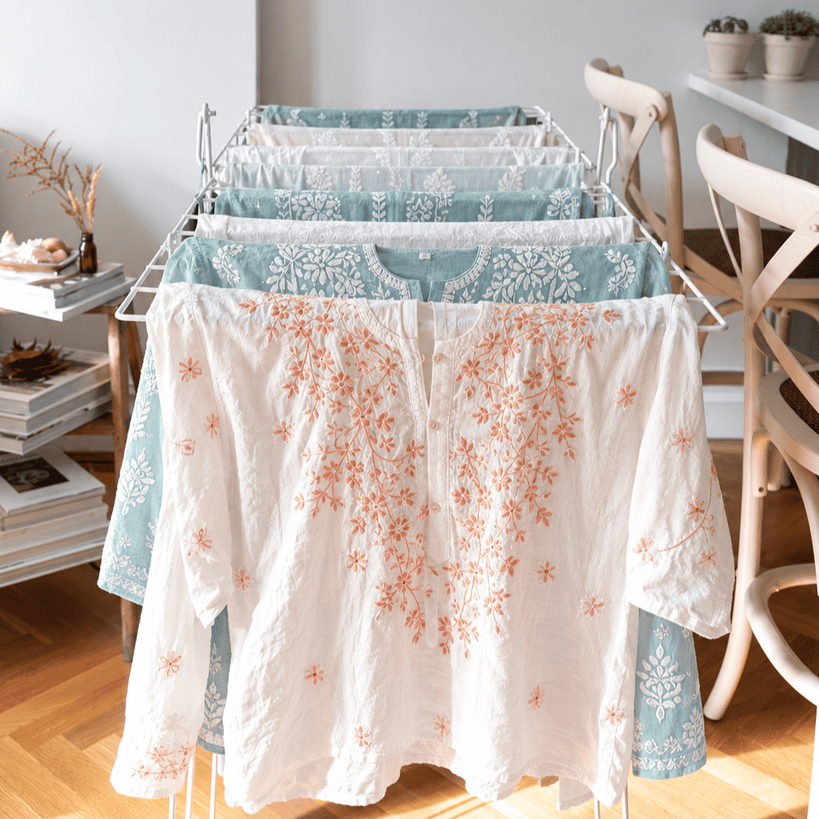
Dry in a shaded, well-ventilated area away from strong direct sunlight. Direct sun can fade colour and stress fibres over time. Heavier embroidered garments are better supported flat on a clean towel; lighter pieces may be dried according to their care label once excess water has been removed.
Avoid tumble drying delicate Chikankari unless the garment’s own care instructions specifically allow it.
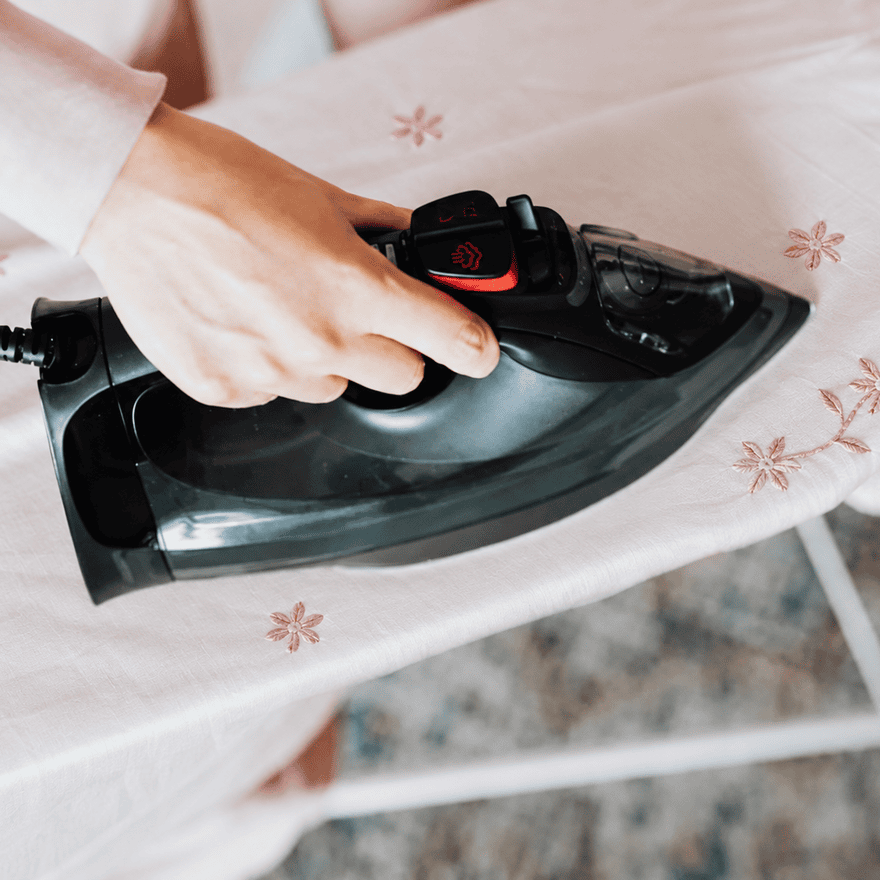
Turn the garment inside out before ironing so the soleplate does not flatten or snag raised embroidery. Use low-to-medium heat appropriate to the base fabric and place a clean cotton pressing cloth between the iron and garment when extra protection is needed.
For textured or heavier embroidery, place the garment face-down on a soft towel so the stitches are not crushed. Gentle steaming can also remove creases without pressing directly onto the embroidery.
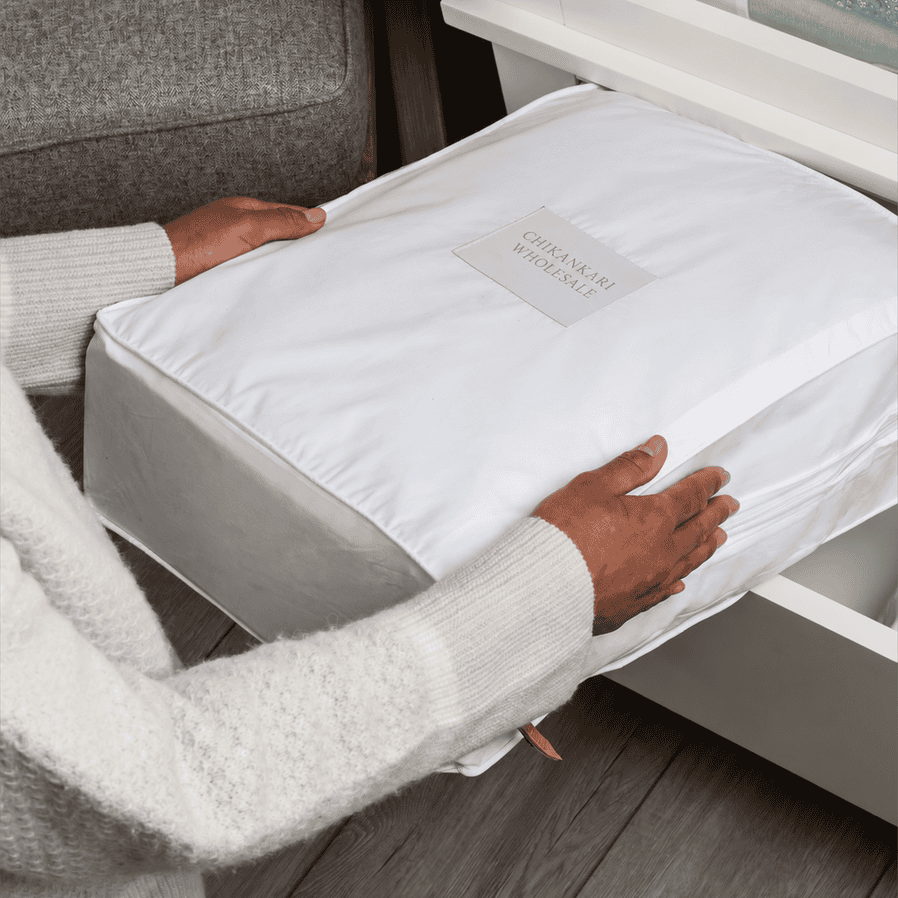
Only store a Chikankari garment when it is completely dry. Fold premium pieces neatly and use breathable cotton or muslin storage where practical. Avoid sealing delicate embroidered garments in plastic for long periods because trapped moisture can contribute to odour, yellowing or mildew.
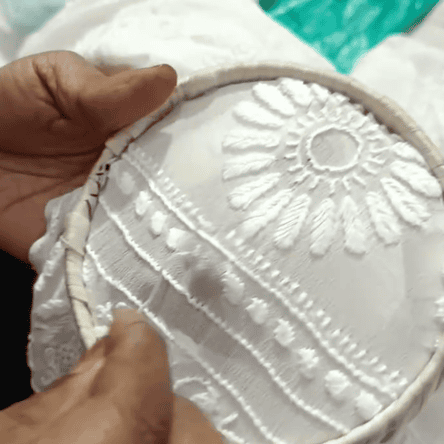
Hand embroidery can occasionally develop a loose or pulled thread during wear. Do not pull it further. Small loose ends can be carefully secured from the reverse side, while larger pulls, runs or damaged embroidery are better handled by someone experienced with delicate embroidery repair.
Before washing or dispatching a garment, checking loose threads early helps prevent a minor issue becoming a larger damaged area.
These are practical starting points, not a replacement for the garment’s own care label. Dyeing, embellishment, lining and finishing can change the correct method even when two garments use the same fabric family.
Gentle cold-water washing with mild detergent is a practical starting point when the care label allows it. Avoid hot water, hard scrubbing and strong bleach. Dry in shade and iron from the reverse side.
Because these fabrics can be fine and lightweight, minimise friction and twisting. Hand wash gently, support the fabric while wet and dry away from direct sun. Use a pressing cloth when ironing delicate embroidery.
Use low-friction handling and avoid aggressive rubbing. The exact care method depends on fibre composition, so check the label before washing. Protect the embroidered surface from direct high heat when pressing.
These pieces need the most cautious handling. Avoid routine machine washing and do not press directly onto metallic or dimensional embellishment. For fragile, vintage or significantly damaged pieces, professional textile care may be the safer option.
A wholesale buyer should not wait for a customer complaint to explain garment care. Clear care communication helps set expectations before purchase and can reduce avoidable damage after sale.
For each style, confirm the final care instruction after the fabric, dyeing, embroidery, embellishment and finishing are approved. Then use the same wording consistently across the wash-care label, product page, care card and customer-support guidance.
Don't have an account yet? Sign up
No items in your cart. Go on, fill it up with something you love!
Start Shopping Now