Authentic Lucknow Chikankari | Wholesale | Manufacturing | Private Label SHOP NOW
Authentic Lucknow Chikankari | Wholesale | Manufacturing | Private Label SHOP NOW

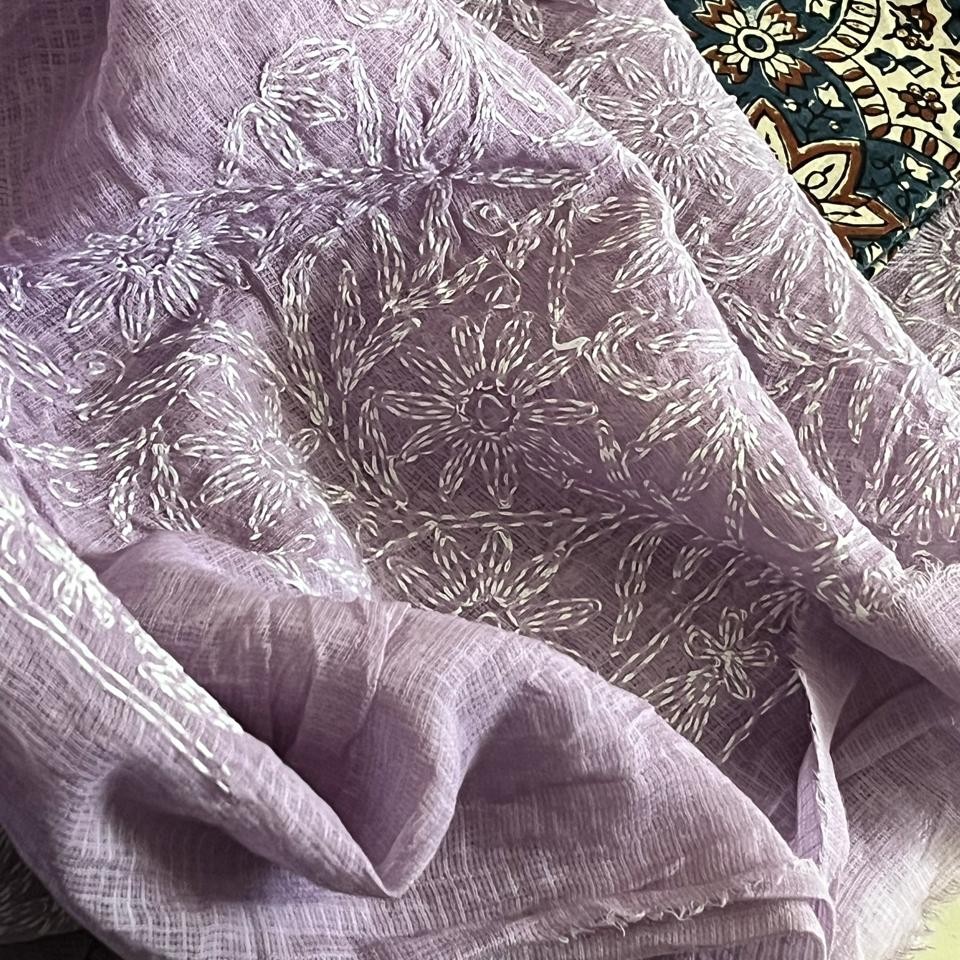
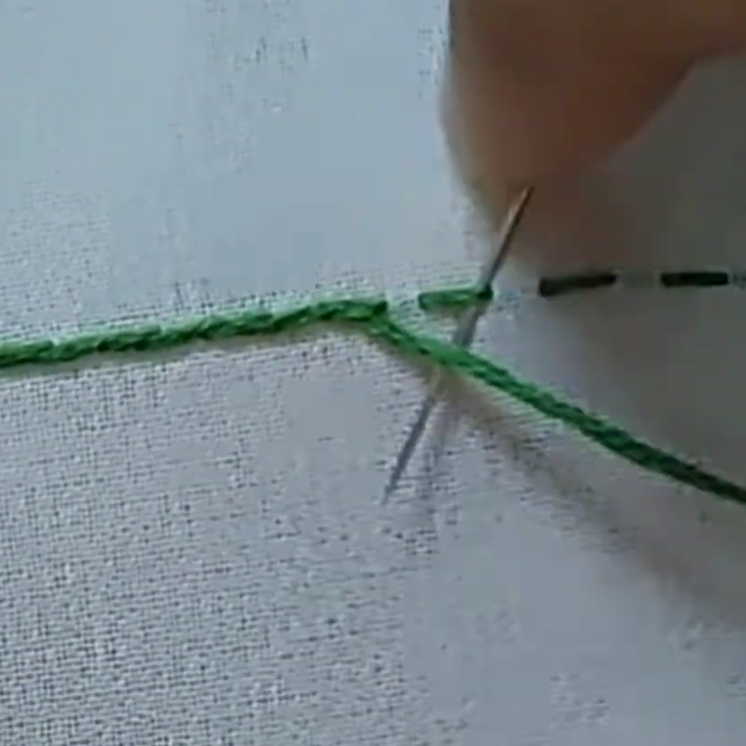
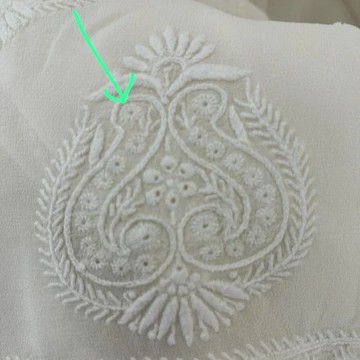
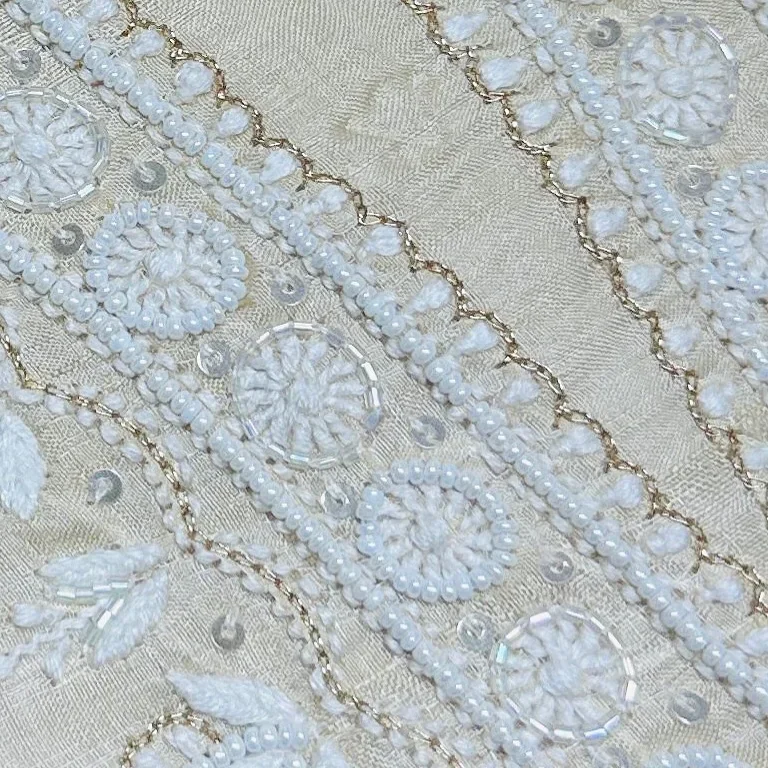
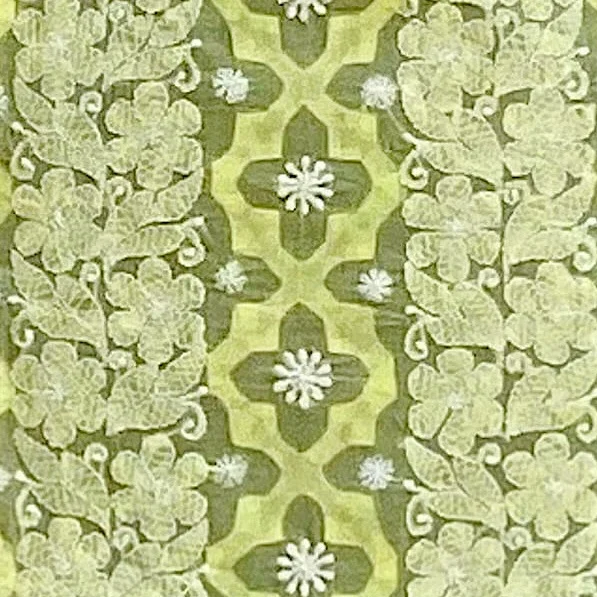
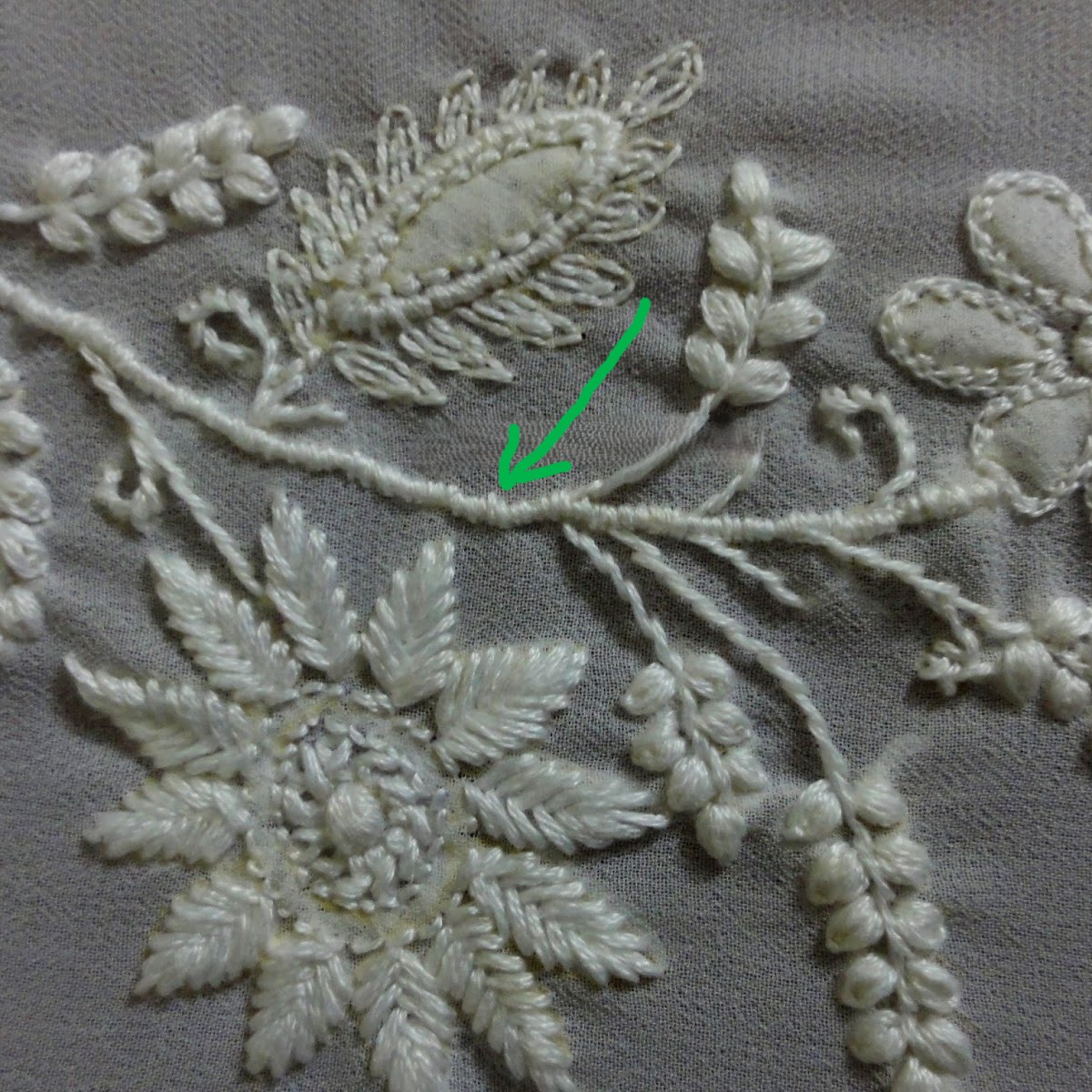
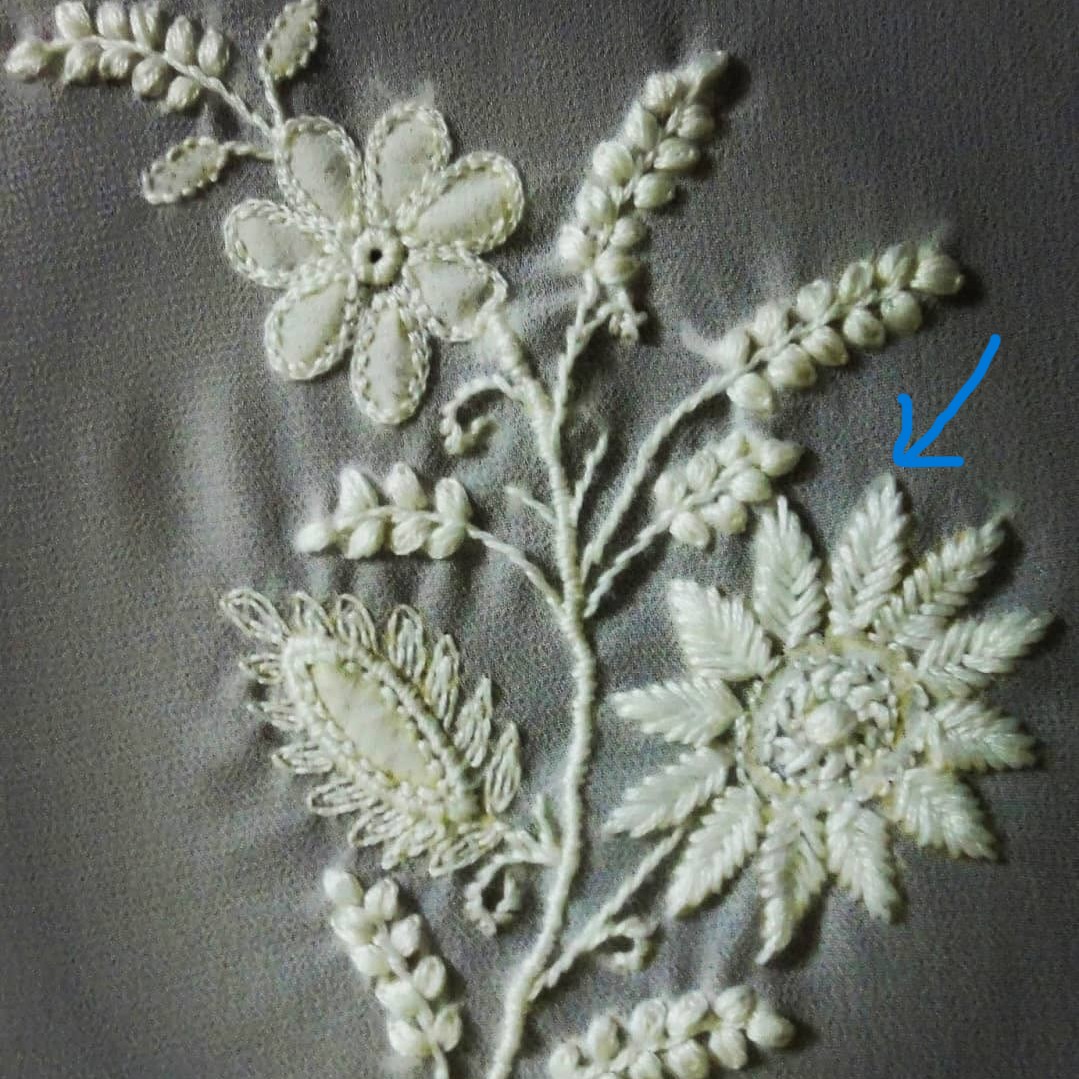
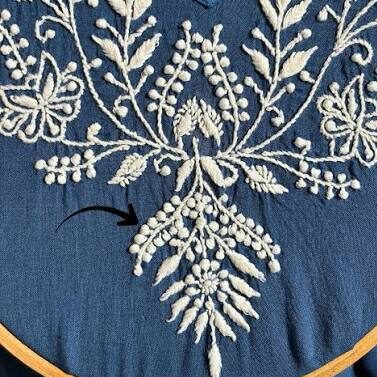
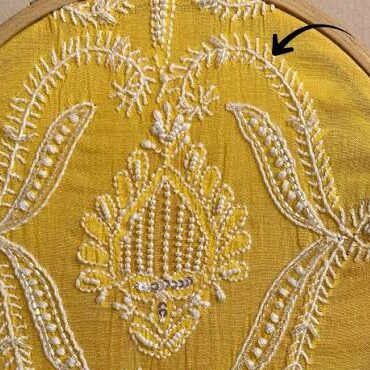
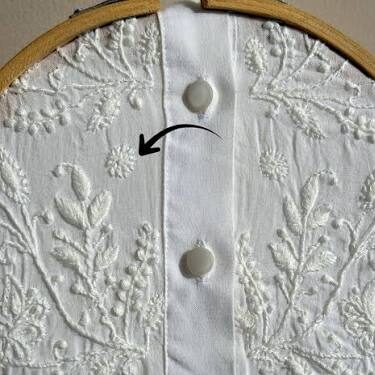
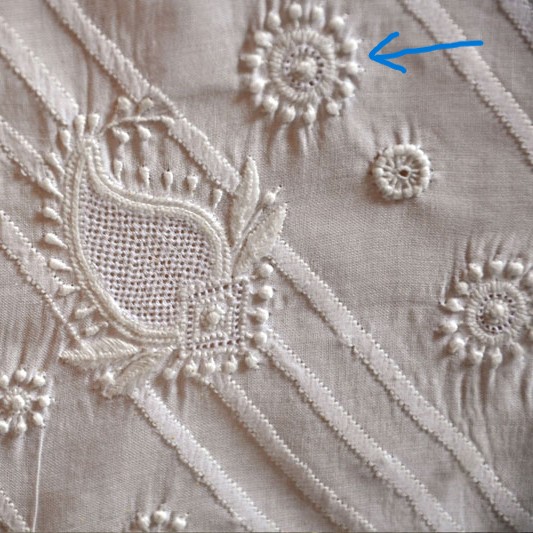
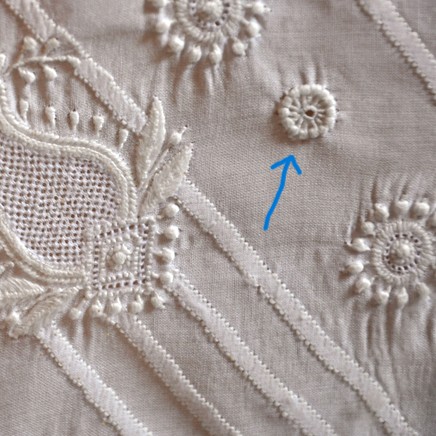
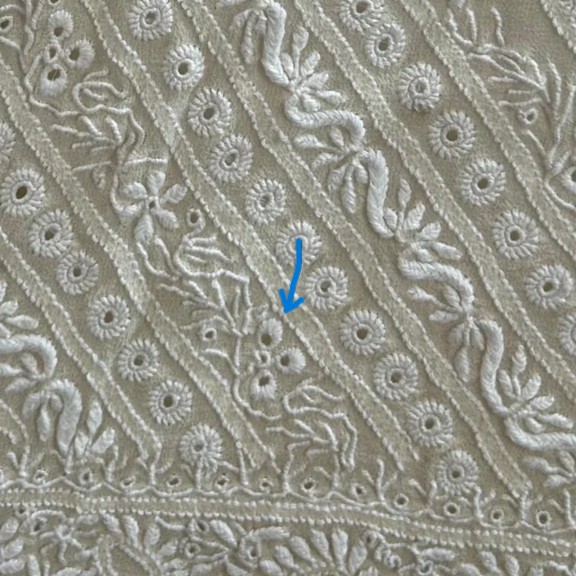
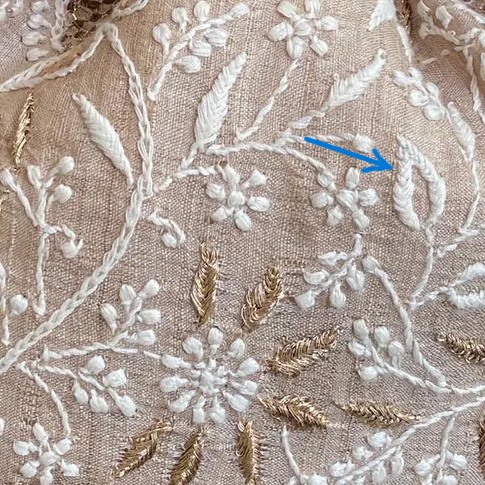
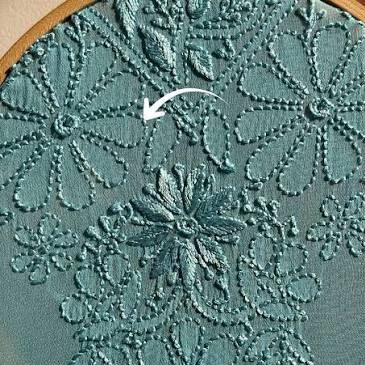
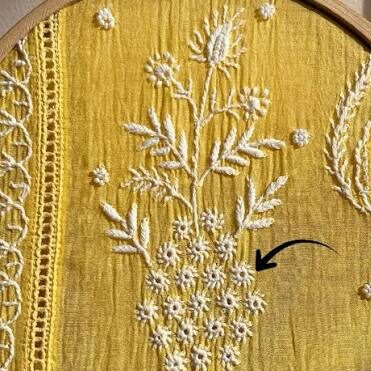
Chikankari is not one single stitch. Its character comes from a vocabulary of running stitches, shadow work, knots, outlines, raised textures, fillings and openwork techniques combined across a motif.
Several craft references describe around 32 traditional Chikankari stitches, but terminology and classification can vary between artisans, workshops and brands. This guide focuses on the stitches most useful for buyers, designers and sourcing teams to recognise when evaluating Chikankari products.
Buyer note: stitch names should not be treated as marketing labels alone. Ask for close-up photographs or an approved sample so you can see the actual technique, density and finish being supplied.
These stitches help define the drawing of the motif—forming outlines, stems, borders, connecting lines and structural areas of the embroidery.
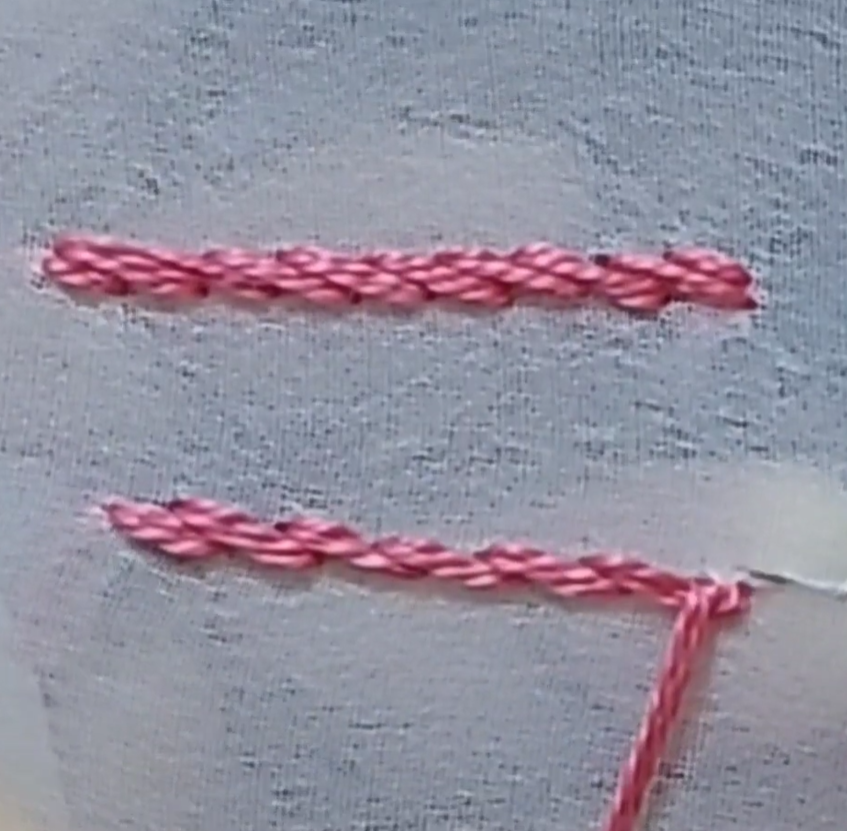
A simple running stitch worked in lines and widely described as a foundational Chikankari stitch. It can establish outlines, direction and the basic framework around which more complex stitches are added.
Look for: clean running lines that guide or structure the motif.
A line stitch used to outline shapes and form connecting stems between leaves, flowers and Phanda details. In complex floral work it often helps visually organise the motif.
Look for: fine continuous lines linking decorative elements.
A compact chain-like stitch used for outlining leaves, petals and borders. Its connected loops produce a more decorative line than a simple running stitch.
Look for: a linked chain rhythm following the edge of a motif.
Described in the reference material as a slanted darning stitch used with other stitches to fill motifs. It can create a denser visual area inside the design.
Look for: directional filling rather than an outline-only treatment.
One reference describes Banarsi as a variant related to Zanzeera and used to fill motifs, giving the embroidered area a richer texture.
Look for: compact decorative filling within a bounded motif.
Described as a layered stitch used within floral or paisley-shaped areas, where the design edge sits over the stitch to create depth and definition.
Look for: a filled inner structure with the outer motif remaining clearly defined.
A tightly packed premium stitch described as an alternative to Pechni in selected areas of fine work.
Look for: dense, closely worked linear detail used where a stronger embroidered line is required.
These stitches create tactile detail—small knots, leaves, circular forms, raised accents and dense decorative edges that give Chikankari its dimensional character.
A leafy filling formation strongly associated with nature-inspired Chikankari motifs. One reference distinguishes variations such as Ghaas Patti, Channa Patti and Dhum Patti.
Look for: leaf-like filled structures whose shape changes with the Patti variation.
A tiny raised knot-like stitch often used in flower centres or as small decorative accents. The references describe it as an embossed detail that adds texture to the surface.
Look for: compact pearl-like raised knots integrated into the motif.
A fine raised stitch described as slim or rice-grain shaped and commonly used for intricate floral centres and detailed accents.
Look for: elongated, tightly worked raised forms rather than broad flat filling.
One detailed reference describes Keel as a round central form or turra surrounded by tiny stitches. Naming can vary across workshops, so a visual sample is more reliable than the name alone.
Look for: a compact circular raised centre with a worked edge.
In one Lucknow-based stitch guide, Kangan develops the Keel structure with an additional tier of stitches around the central form, creating a fuller circular effect.
Look for: a round motif with more than one surrounding level of stitched detail.
A premium circular stitch described as having a hole in the centre and used in place of Keel or Kangan in some fine work.
Look for: a small dish-like circular structure with an open centre.
Described as an oval-shaped filled element with an opening at one end. In finer work, Bijli may be finished with Kante outlining for added definition.
Look for: an oval filled form edged by very small closely packed stitches.
A bud- or shell-like structure described as two slim Patti forms joined at the sides, often leaving a central space where another openwork detail may appear.
Look for: a paired tapered structure with a deliberate centre opening.
These techniques use the fabric structure itself—working from the reverse, opening spaces or separating warp and weft—to create light, shadow and lace-like effects.
The classic shadow-work technique associated with Chikankari. It is commonly worked from the reverse so the embroidery shows as a soft shadow through the face of the fabric. One reference also distinguishes Upari Bakhiya, worked on the right side.
Look for: a translucent shadow effect created by thread placement rather than a printed or flat filled surface.
An eyelet-like technique in which a small opening is created in the fabric and its edge is secured with thread. It is often used within floral forms and decorative areas.
Look for: a genuine opening in the fabric with stitched edges, not merely a circular embroidered outline.
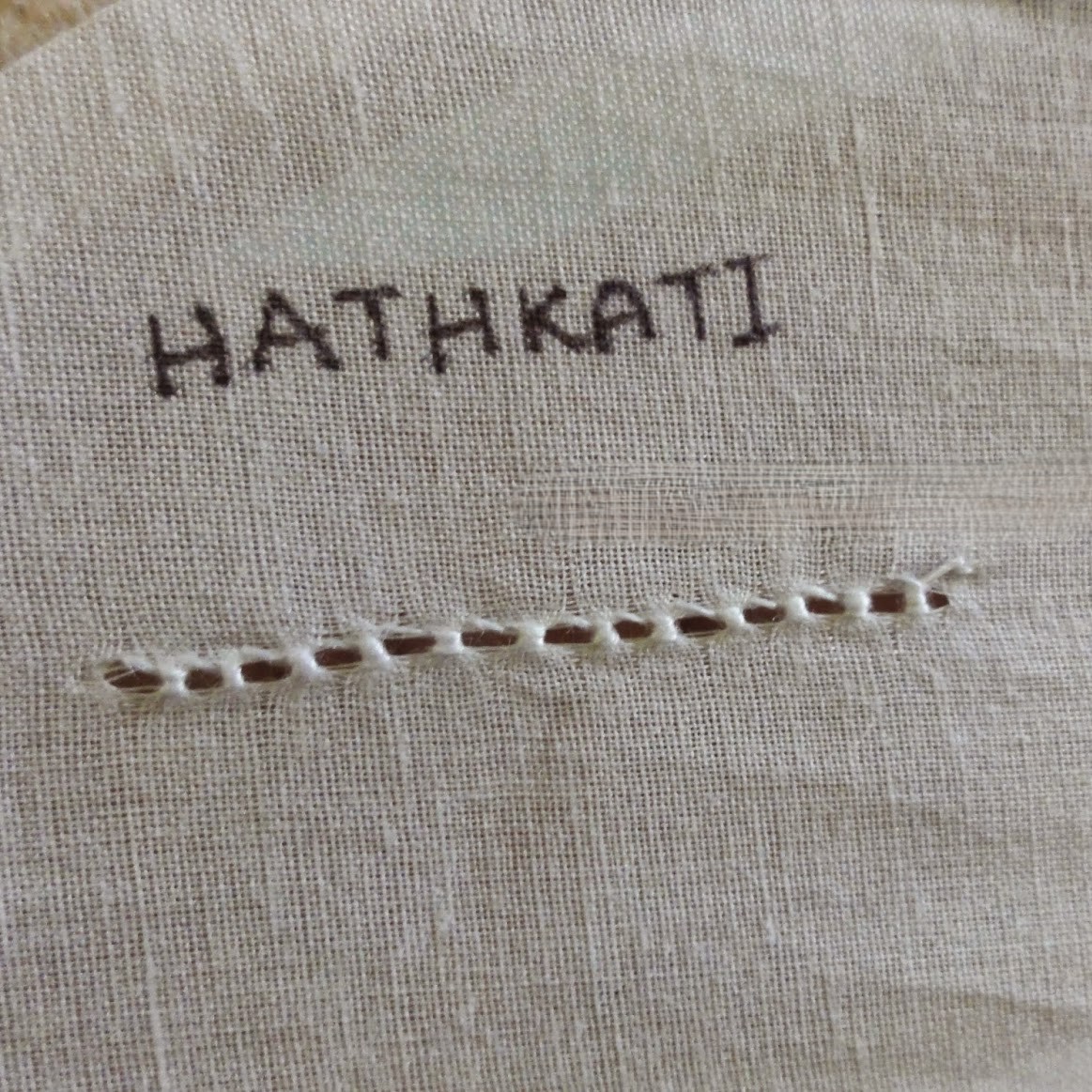
A narrow line of Jaali-like openwork created by carefully separating warp and weft threads with needlework rather than cutting the fabric.
Look for: a single linear openwork strip integrated between surrounding stitches.
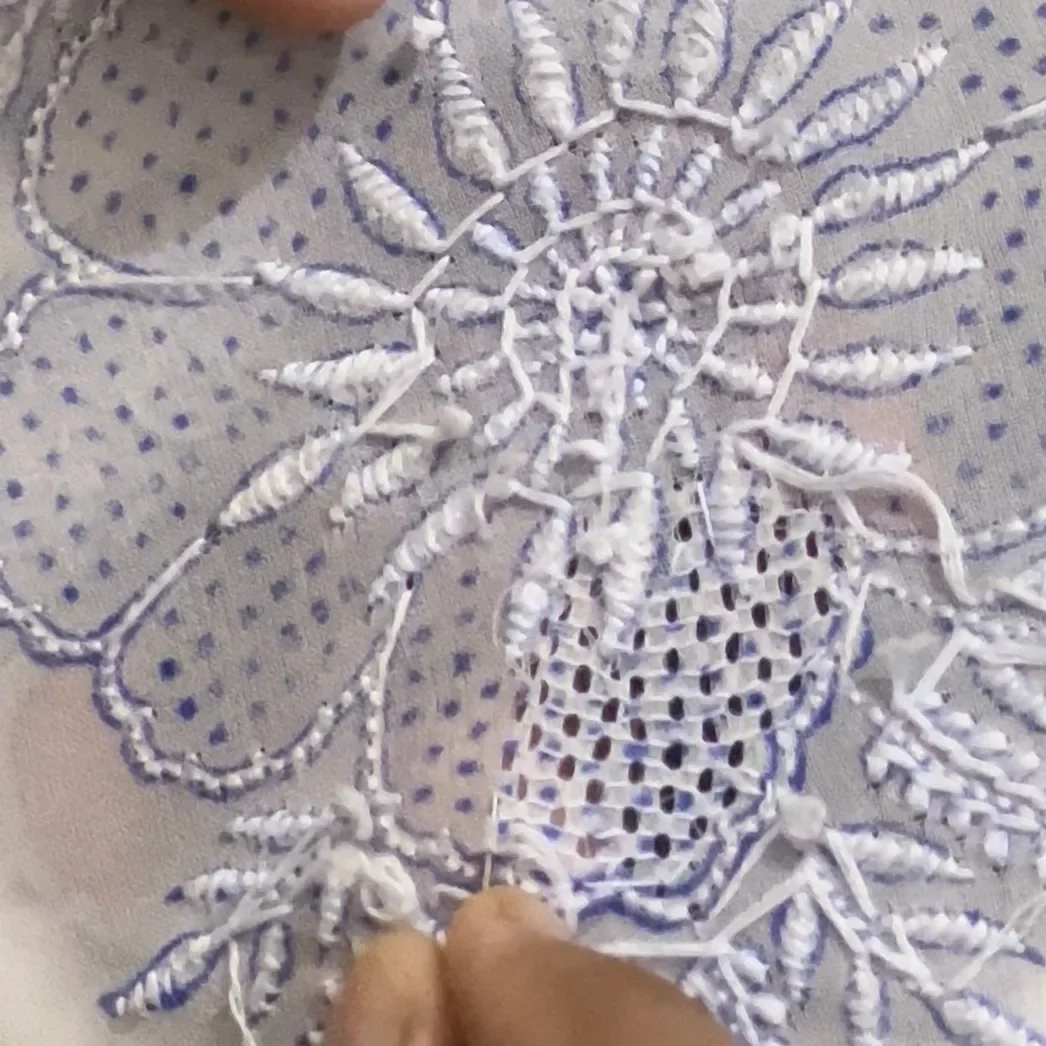
A trellis-like openwork effect made by carefully separating the warp and weft with needle and thread rather than cutting away the fabric. Different Jaali patterns can create different mesh structures.
Look for: an open lattice formed from the original fabric threads, with no obvious cut-out edge.
A garment described simply as ‘Chikankari’ can vary enormously in labour, visual richness and commercial positioning. A piece using only simple running or outline stitches is different from one combining shadow work, knots, Patti, dense borders and Jaali.
For sourcing, ask suppliers to describe which stitches are used, where they appear, the approximate embroidery density and whether the stitch mix will remain consistent across the order. This makes quotations and quality comparisons more meaningful than comparing garment names alone.
Chikankari terminology is not always standardised in the way industrial embroidery terminology is. Different references may group, translate or describe certain stitches differently. For example, some sources use the combined term Keel Kangan, while another Lucknow-based reference distinguishes Keel and Kangan as related but separate structures.
For B2B buying, use the stitch name together with a close-up photograph or approved sample. That prevents confusion when two suppliers use the same word for slightly different execution.
Don't have an account yet? Sign up
No items in your cart. Go on, fill it up with something you love!
Start Shopping Now