
A business case study on Suta, Sujata Biswas and Taniya Biswas, showing how storytelling, community, accessible design and direct-to-consumer retail…
Read MoreAuthentic Lucknow Chikankari | Wholesale | Manufacturing | Private Label SHOP NOW
This page is for fashion labels, designers, apparel brands and product-development teams that want to build Chikankari into a collection rather than simply purchase generic wholesale stock.
Brand manufacturing requires a more controlled workflow: collection brief, fabric selection, embroidery direction, silhouette development, measurements, sampling, labels, packaging, QC and repeat-production records. The goal is to translate your brand direction into an approved product specification before larger production begins.
A brand needs product decisions translated into a clear specification: silhouette, measurements, fabric, embroidery, colour, finishing and included pieces.
The approved sample should become the physical benchmark for fit, embroidery, construction and finishing before bulk production.
Labels, size marks, care information, hangtags, SKU coding and packing need to align with the final brand and market requirements.
Successful styles are easier to repeat when the brand preserves the approved sample, measurement chart, fabric, colour and embroidery references.
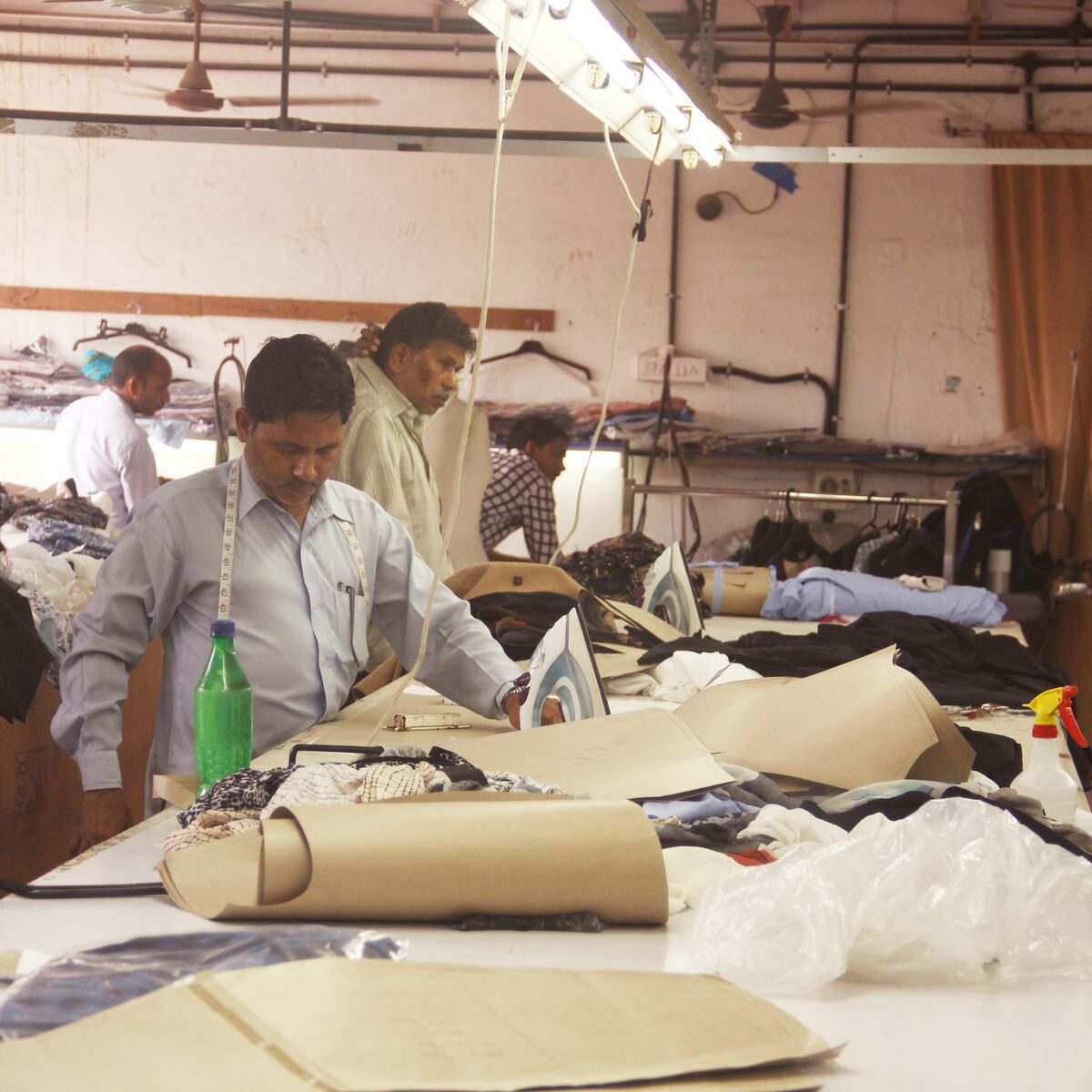
A strong manufacturing conversation begins with the customer, market and product architecture behind the collection. Reference images are useful, but they should sit inside a clear commercial brief.
Share:
This makes feasibility, sampling and costing more meaningful than asking for a generic private-label price.
Useful when an existing product or silhouette is close to the brand direction and selected elements need to be adapted.
For brands defining their own silhouette, fabric, measurement, colour, embroidery placement or other product details.
For brands that need the approved product produced with their own labels, size marking, packaging and defined brand presentation.
For approved styles that need to be repeated or refreshed using preserved product, measurement and material references.
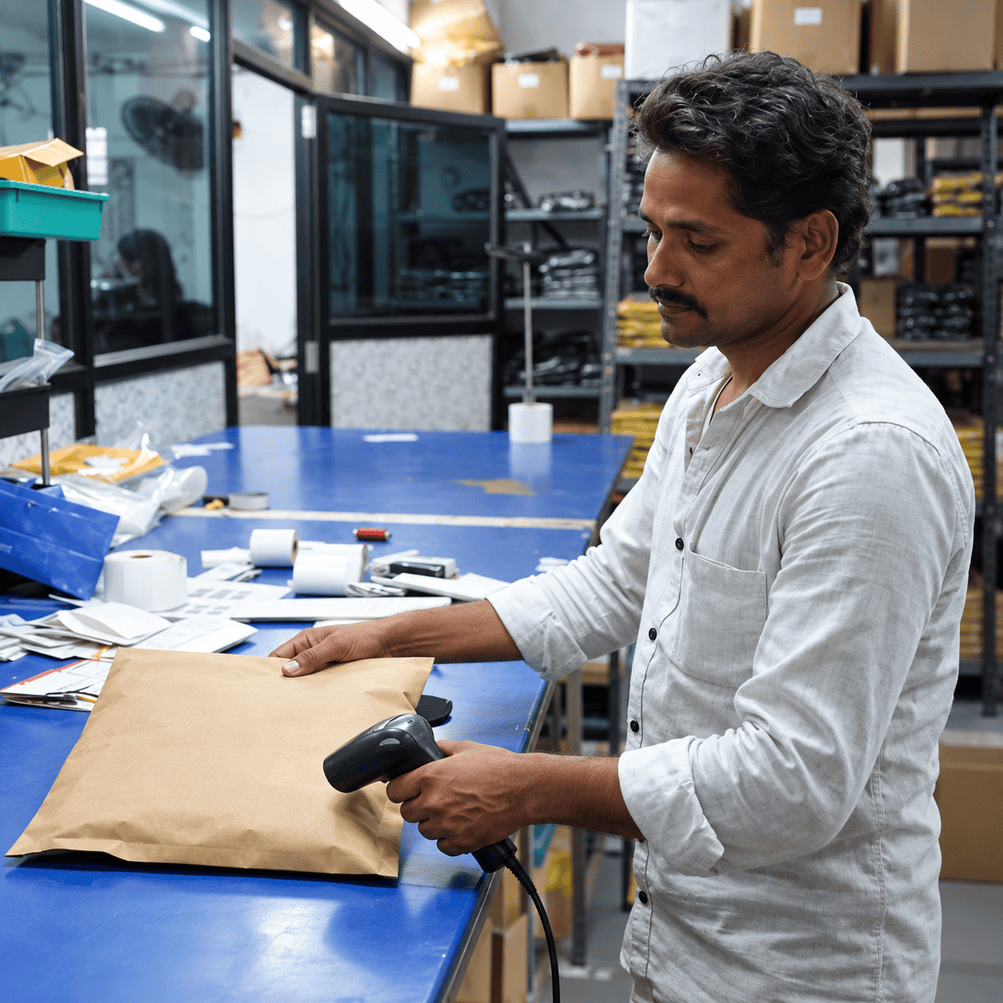
Chikankari development should not treat fabric, embroidery and silhouette as separate decisions. The base fabric affects drape, transparency, stitch definition and how much embroidery the garment can comfortably carry.
Review together:
The safest approval is the actual finished development sample rather than a motif image or fabric swatch viewed independently.
Depending on the collection brief, actual feasibility and production route, fashion brands can discuss development across categories such as:
The strongest collection usually has a clear point of view rather than maximum category breadth. Build around the customer, season, price architecture and merchandising story.
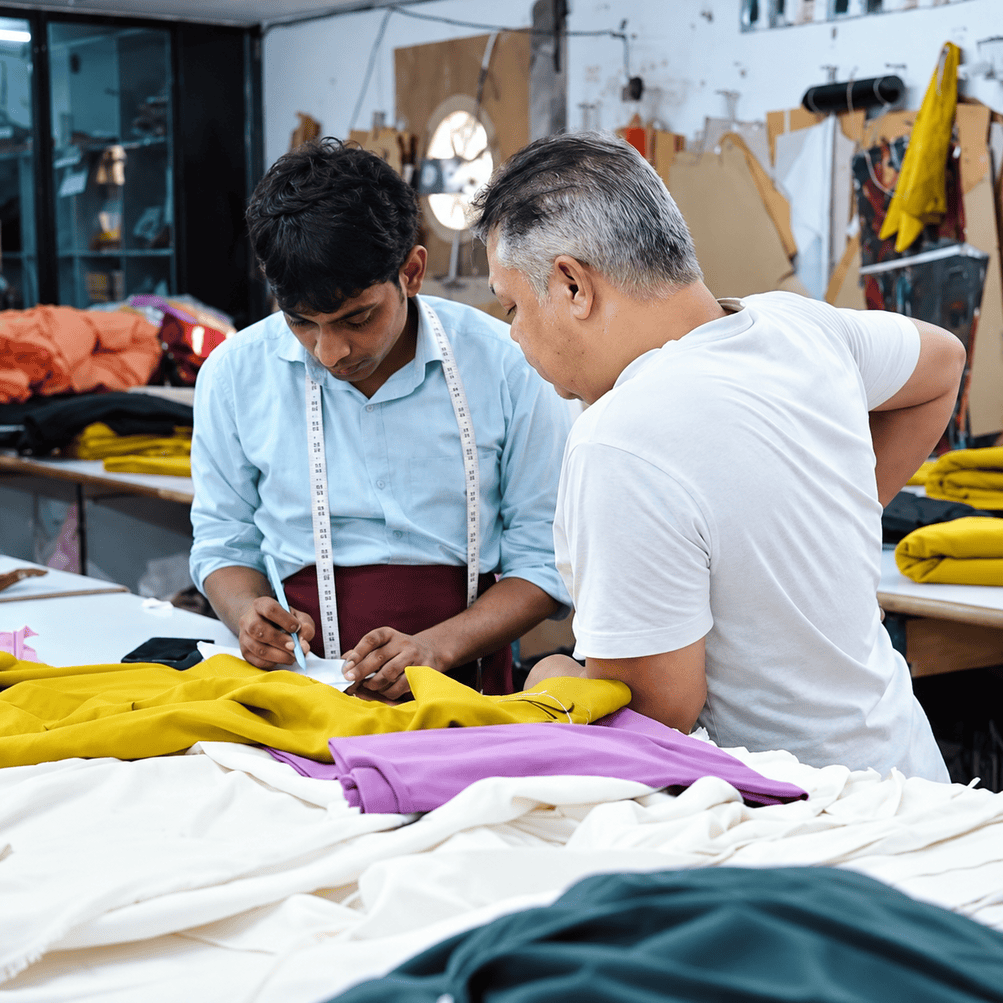
Sampling converts the design brief into a product that can actually be measured, worn and inspected. For fashion brands, this stage should resolve questions before they become production problems.
Approve:
If revisions are required, document the changes rather than relying only on chat messages. Preserve the final approved sample and measurement chart as the bulk-production reference.
Private-label manufacturing should be built around a product specification and brand system, not treated as a generic garment with a logo added at the end.
Depending on the project and production feasibility, brands can discuss:
Exact MOQ, branding scope, packaging options, sampling cost, artwork requirements and production timeline are project-specific and must be confirmed before order finalisation.
Brand direction, categories, references, fabric, colour, sizing, target quantity, price position and launch window.
Review whether design, fabric, embroidery, quantity, sizing and target commercial position are workable together.
Approve product, fit, measurements, embroidery, labels and finishing; record all final revisions before production.
Produce against the approved reference, complete QC, reconcile quantities and prepare brand-specific packing as agreed.
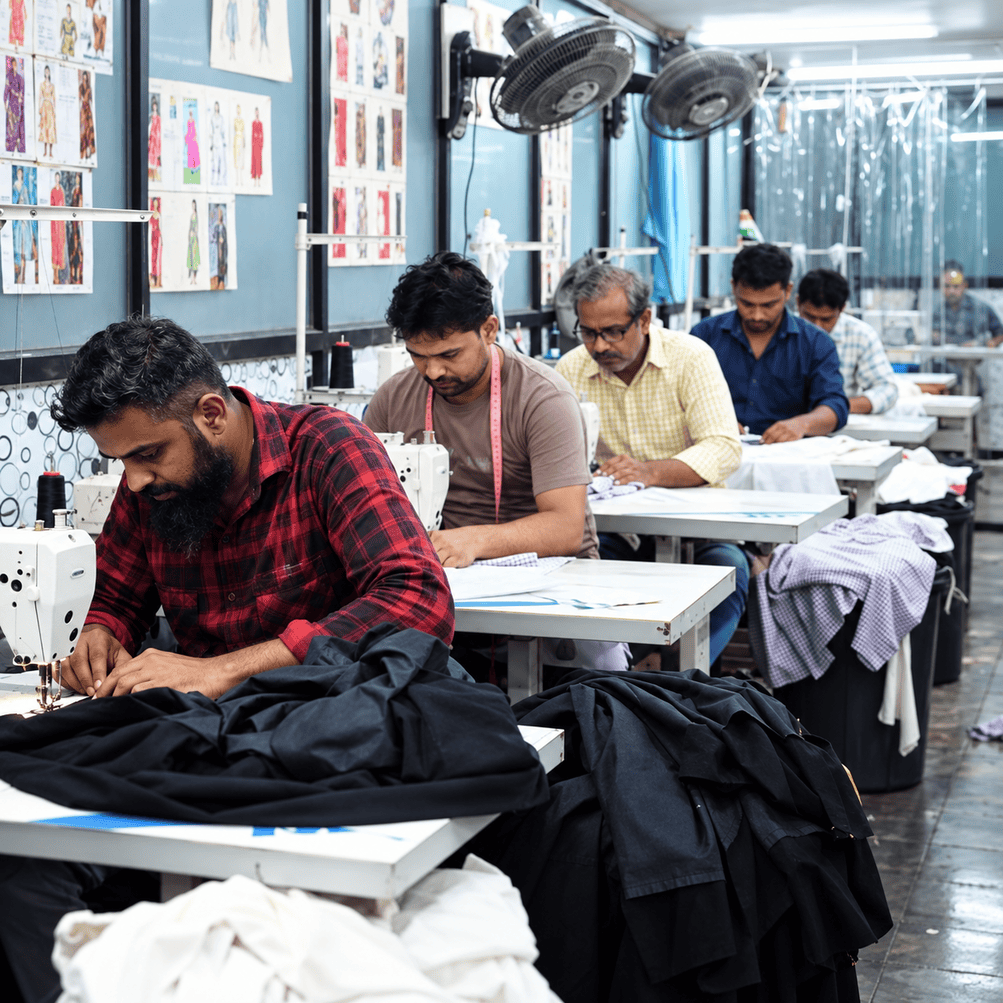
A fashion collection becomes easier to scale when the product and the product-data system are developed together.
Define:
Do not assume every label, trim, packaging option or photography service is automatically included. These are confirmed separately for the actual project and quotation.
Fashion-brand manufacturing cannot be priced accurately from the words ‘Chikankari kurta’ alone. Cost and minimum quantity can change with fabric, embroidery method and density, silhouette complexity, lining, size range, colour count, trims, labels, packing and the number of units per style.
Development and production timing can also depend on sample revisions, fabric availability, embroidery workload, approvals and final quantity.
For that reason, fixed MOQ, unit price, sample cost, capacity and lead time should be confirmed only after the actual brief is reviewed. These remain subject to confirmation for the specific project until quoted for the project.
QC should compare production against the approved specification, not against a vague expectation of ‘same as sample’.
Depending on the product, checks can include fabric, colour, measurements, embroidery placement and execution, stitching, lining, loose threads, marks, finishing, labels and packing.
Handmade Chikankari can contain natural stitch variation. The useful approach is to agree what variation is acceptable for the craft and what constitutes a defect or failure against the approved product.
For branded orders, preserve the final sample, measurement chart, artwork and packing instructions so future QC and reorders have a clear reference.
A successful first collection should leave behind enough information to make the second collection easier.
Track sell-through by style, colour and size. Preserve approved fabric, embroidery, measurements, trims, labels and packaging references. If a style becomes a continuity product, discuss repeatability before the brand commits future marketing or wholesale orders.
Exact repeats can still be affected by fabric, dye lot, handmade work and material availability. When a true repeat is not possible, the preserved specification makes it easier to evaluate the closest commercial alternative.
Feedback from boutiques, retailers, resellers, importers and fashion businesses that have sourced Chikankari from us.
Boutique / Retail Buyer

Boutique Owner Canada
Repeat Wholesale Buyer

Brand Owner USA
Private Label / International Buyer
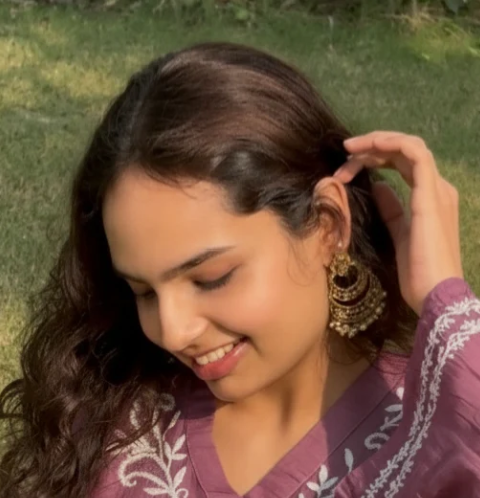
Brad Owner Lucknow
Practical guides for boutiques, retailers, resellers, importers and fashion brands covering Chikankari sourcing, authenticity, fabrics, pricing, MOQ, manufacturing, quality control, private label and international wholesale buying.
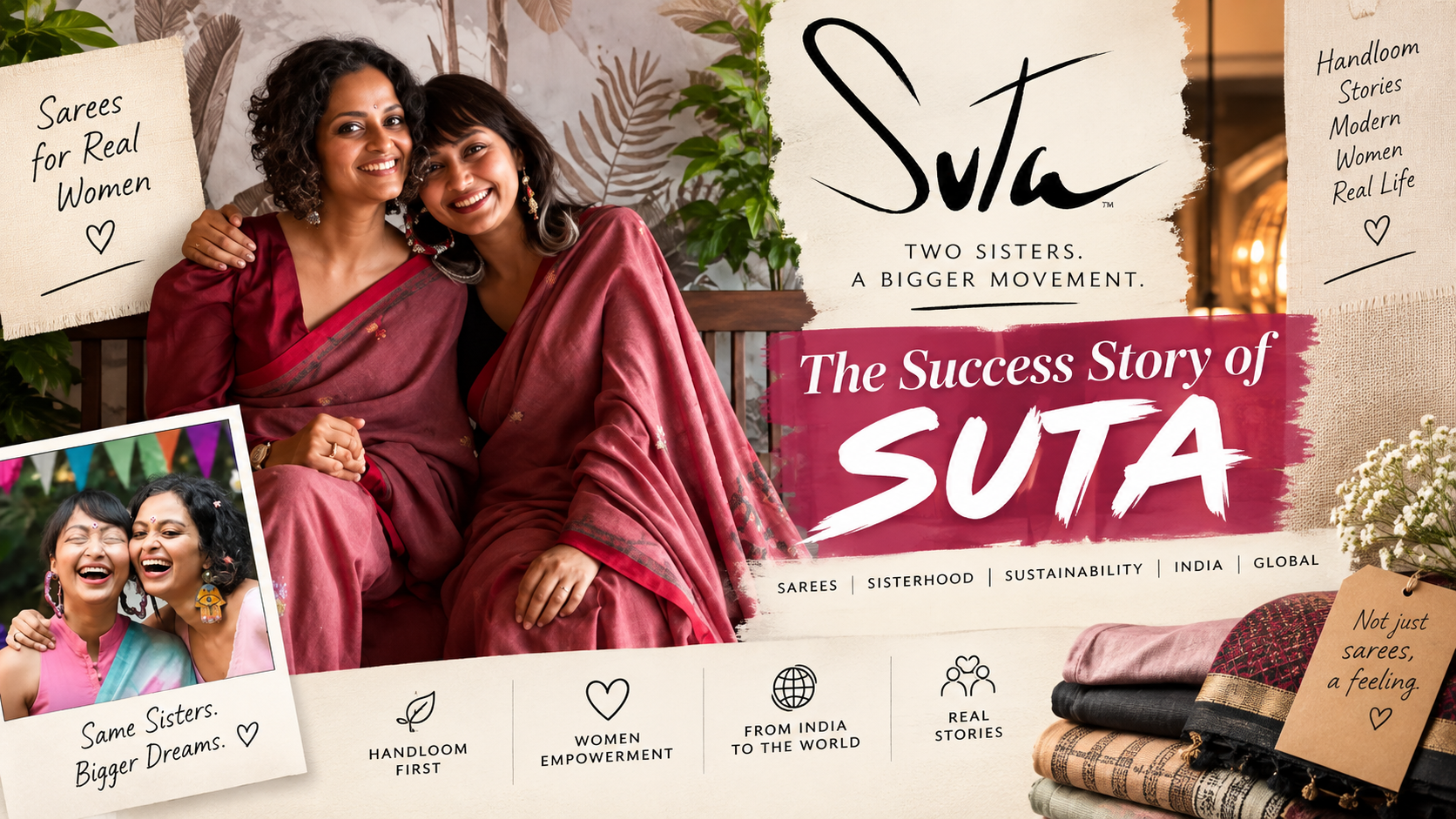
A business case study on Suta, Sujata Biswas and Taniya Biswas, showing how storytelling, community, accessible design and direct-to-consumer retail…
Read More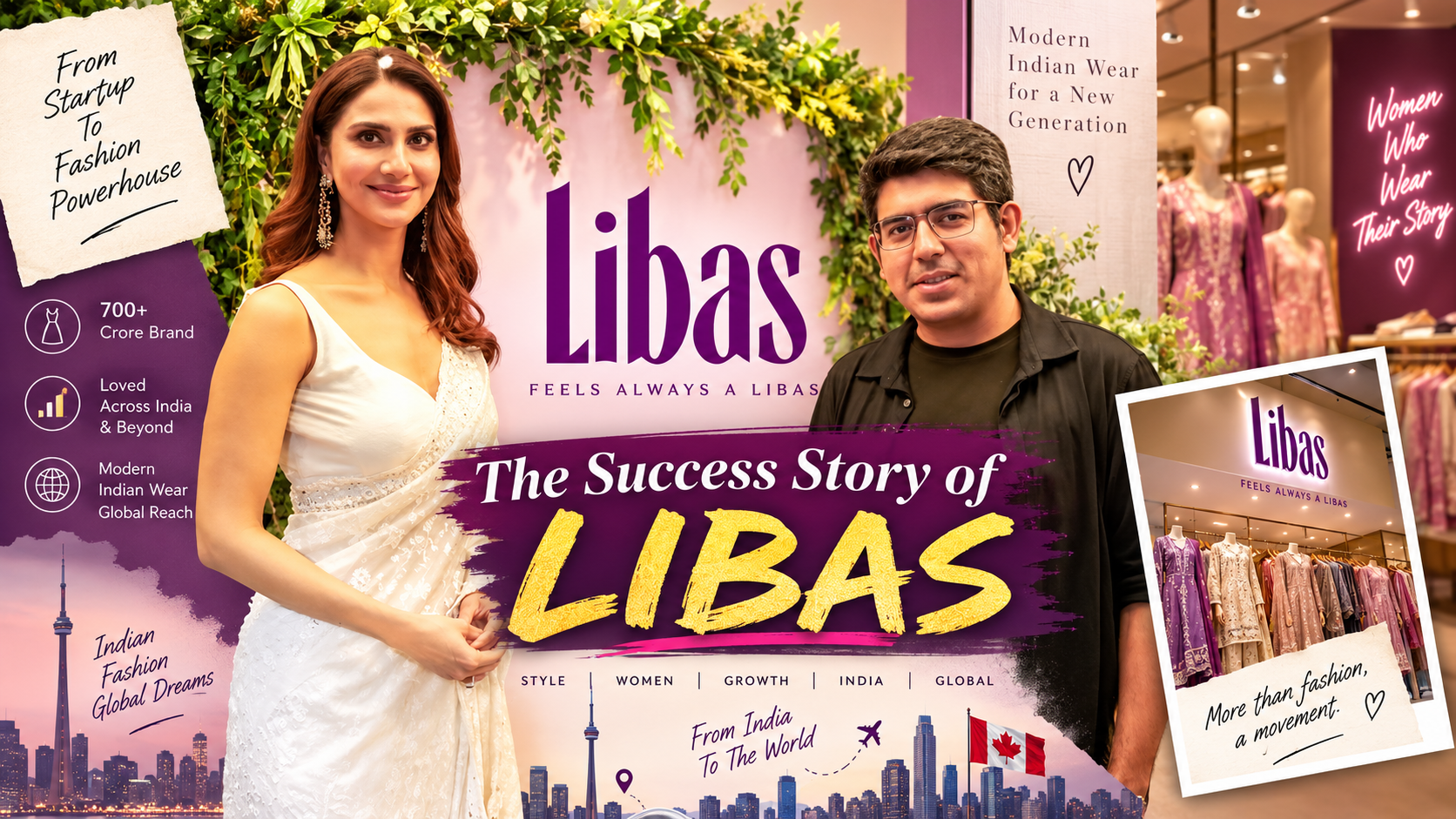
A business case study on Libas and Sidhant Keshwani, covering online-first ethnicwear growth, repeatable product-market fit, pricing, merchandising, marketplace scale…
Read More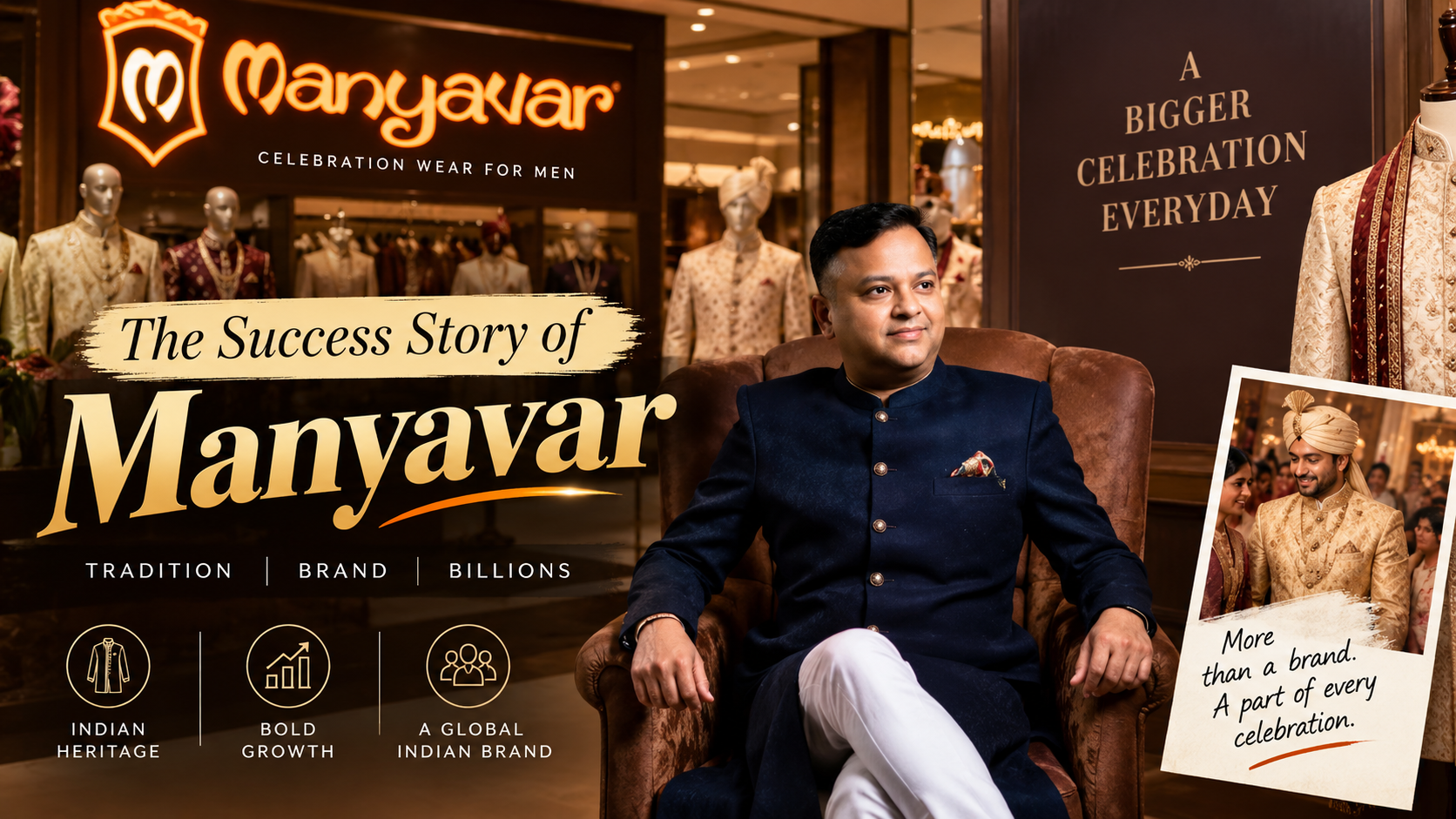
A business case study on Ravi Modi and Manyavar, showing how category focus, multi-brand distribution, disciplined expansion and celebration-led positioning…
Read More
A business case study on Meena Bindra and BIBA, covering the journey from a small home-based salwar-kameez business to wholesale…
Read More
A case study on Ayesha Azeem’s Dhaani and what Chikankari and ethnicwear businesses can learn about diaspora demand, creator-led commerce,…
Read More
A case study on Anjul Bhandari and how a designer can build a premium craft identity around Chikankari, Kaamdani and…
Read MoreDon't have an account yet? Sign up
No items in your cart. Go on, fill it up with something you love!
Start Shopping Now