
A business case study on Suta, Sujata Biswas and Taniya Biswas, showing how storytelling, community, accessible design and direct-to-consumer retail…
Read MoreAuthentic Lucknow Chikankari | Wholesale | Manufacturing | Private Label SHOP NOW
For fashion designers, textile designers, design studios and product developers who want to work with Chikankari as a craft language—not simply as decoration added to a finished silhouette.
This page is built around the creative decisions that matter when developing with Chikankari: stitch vocabulary, motif scale, negative space, fabric behaviour, placement, hand variation, sampling and the relationship between embroidery and garment form.
ChikankariWholesale.com is based in Lucknow, and designer enquiries can be evaluated against the actual brief, craft direction and production feasibility.
Chikankari becomes more distinctive when the embroidery is treated as part of the design system from the beginning. Instead of choosing a finished garment and asking for ‘more work’, start with the visual character you want the cloth to carry.
A designer can define the collection through four connected decisions:
Flat, shadowed, raised, knotted, linear or open-work effects create very different visual surfaces.
Fine dispersed motifs, borders, vines, florals and denser fields change the rhythm and visual weight of a garment.
Drape, transparency, weave and weight influence how the stitches sit, how shadows read and how much embroidery the base can carry.
The unembroidered cloth is part of the composition. Density and empty space should be designed together.

Chikankari is not one stitch. Different stitches create outline, shadow, texture, knots, raised forms and open effects.
For design development, useful references can include:
Terminology and classifications can vary in craft documentation, so the safest design process is to approve the actual stitch sample rather than relying on a name alone.
Traditional Chikankari production is often described through stages such as Chapai (printing or marking the design), Tanka (embroidery) and Dhulayi (washing). In a finished garment workflow, these craft stages sit alongside fabric sourcing, cutting, stitching, dyeing where applicable, finishing and quality control.
For designers, the important point is that motif placement and garment construction need to be planned with the embroidery route in mind. A motif that looks balanced on flat fabric may interact differently with seams, necklines, panels, darts, gathers or borders.
The exact order can vary by product and development route, so approve the process for the actual design rather than assuming every style follows one identical sequence.
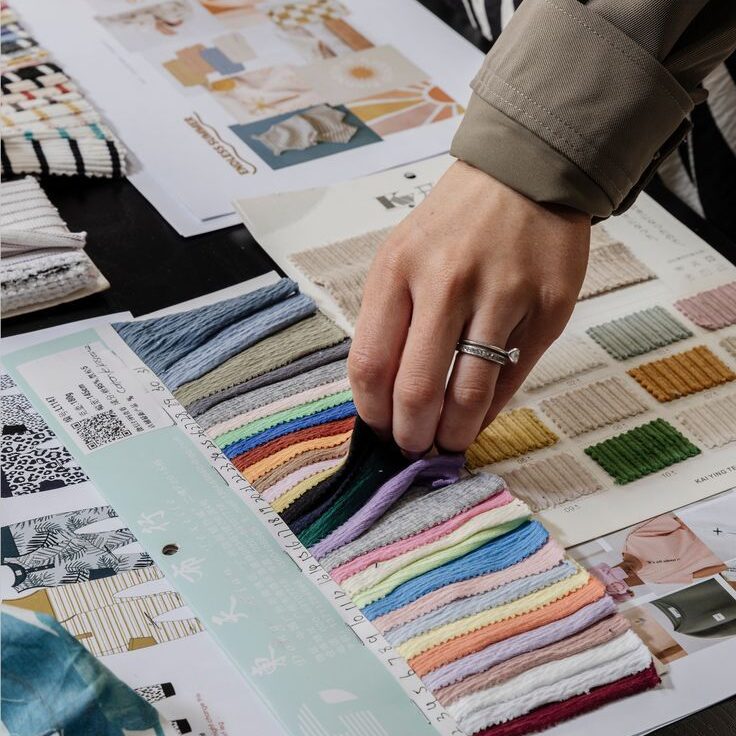
The same motif does not read the same way on every base. Designers should approve the embroidery and fabric together.
Choose the base for the collection’s visual language, customer use and construction—not because one fabric is assumed to be ‘best’ for all Chikankari.
A designer should decide where the eye lands on the finished garment—not only where a motif sits on flat cloth.
Possible approaches include:
Placement should account for seams, cutting loss, garment balance and the natural variation of hand embroidery. A placement sample or marked pattern can prevent expensive corrections later.
Depending on the actual brief and production feasibility, Chikankari can be explored through finished garments, coordinated sets or fabric-led design development.
Kurtas, dresses, shirts, co-ords, sets and other silhouettes where embroidery is planned around the garment architecture.
Chikankari fabric, panels, borders or placement studies intended to become part of the designer’s own product development.
A connected capsule using repeated stitch, motif, colour or fabric ideas across multiple categories while preserving a coherent craft language.
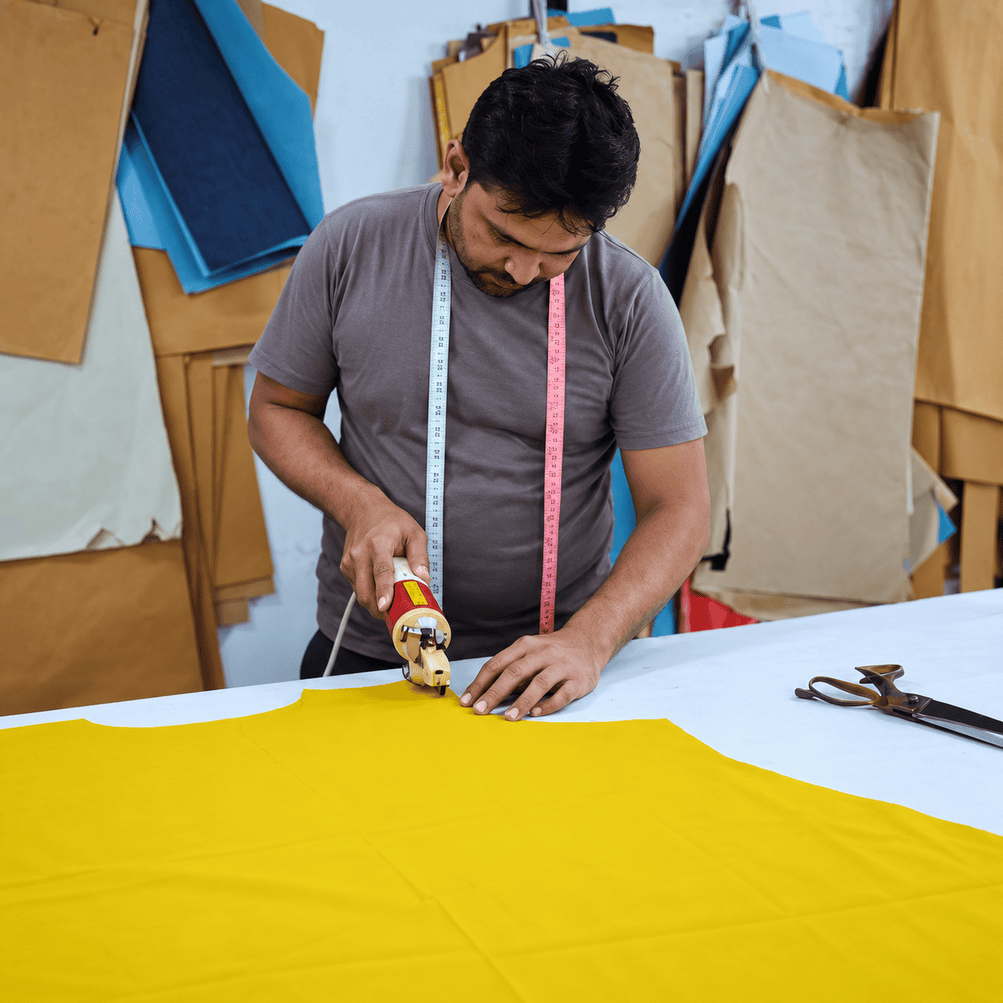
When a designer is exploring a new stitch mix, fabric or motif scale, a small swatch or placement study can answer creative questions before a full garment sample is developed.
A useful approval sequence can be:
Not every project requires every stage; sampling scope, cost and timing are confirmed for the specific project. The principle is to solve the most uncertain craft decision before scaling it across multiple products.
Hand embroidery is not visually identical in the way a machine repeat is identical. Small differences in stitch tension, spacing and hand execution can occur.
For designers, that variation should be handled intentionally. Define what is essential to the design—motif placement, approximate density, scale, stitch family, dimensions or visual balance—and what natural hand variation can remain.
The objective is not to make handmade work behave like an industrial print. It is to create an approved visual standard that protects the designer’s concept while respecting the nature of the craft.
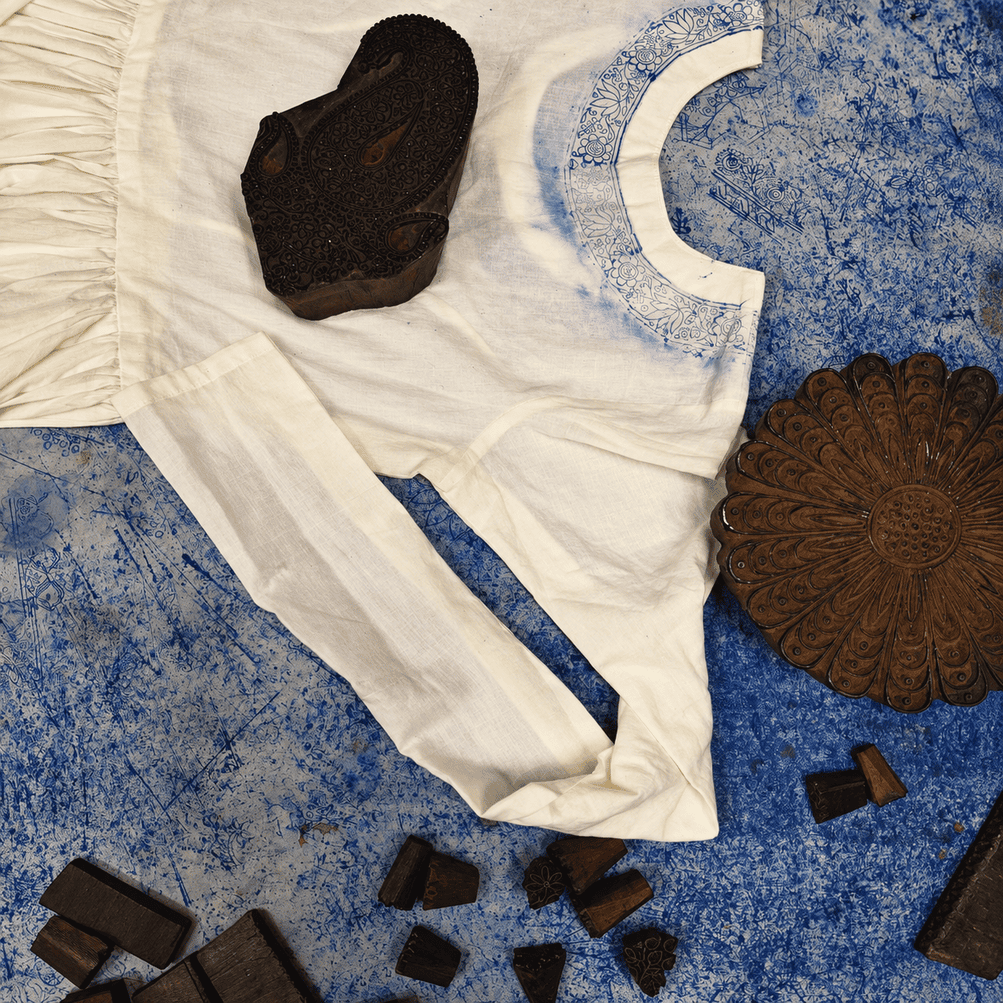
A craft-led development brief is easier to execute when the designer gives both visual references and measurable instructions.
Useful inputs include:
Reference imagery should be used to communicate direction, not to assume that another designer’s protected work can be copied exactly. Original development is the safer route for building a distinct collection.
Designer QC should protect both craft quality and design intent. Depending on the product, the approval reference can be checked for:
For handmade work, a rigid expectation of microscopic stitch uniformity can be counterproductive. QC should distinguish natural craft variation from a clear departure from the approved design.
Feedback from boutiques, retailers, resellers, importers and fashion businesses that have sourced Chikankari from us.
Boutique / Retail Buyer

Boutique Owner Canada
Repeat Wholesale Buyer
Brand Owner USA
Private Label / International Buyer
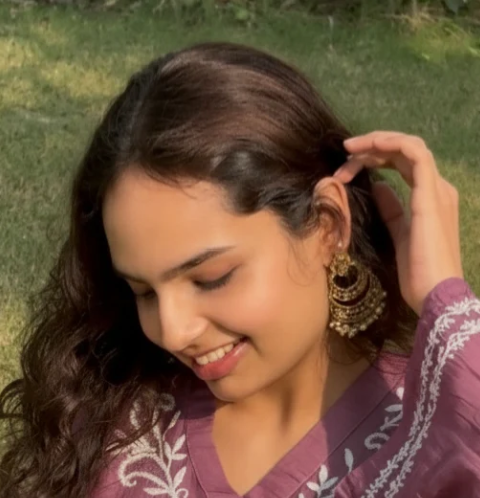
Brad Owner Lucknow
Practical guides for boutiques, retailers, resellers, importers and fashion brands covering Chikankari sourcing, authenticity, fabrics, pricing, MOQ, manufacturing, quality control, private label and international wholesale buying.
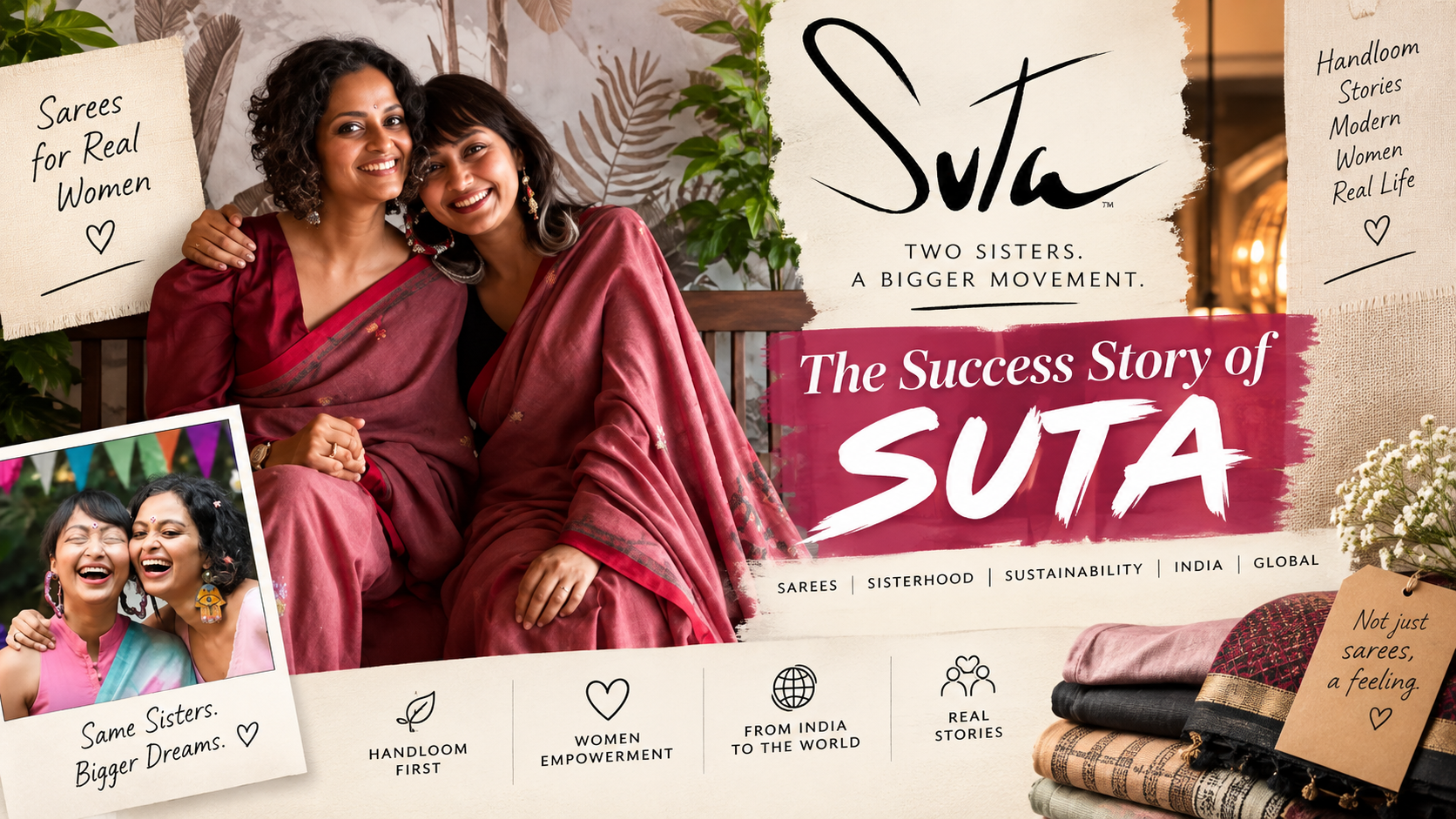
A business case study on Suta, Sujata Biswas and Taniya Biswas, showing how storytelling, community, accessible design and direct-to-consumer retail…
Read More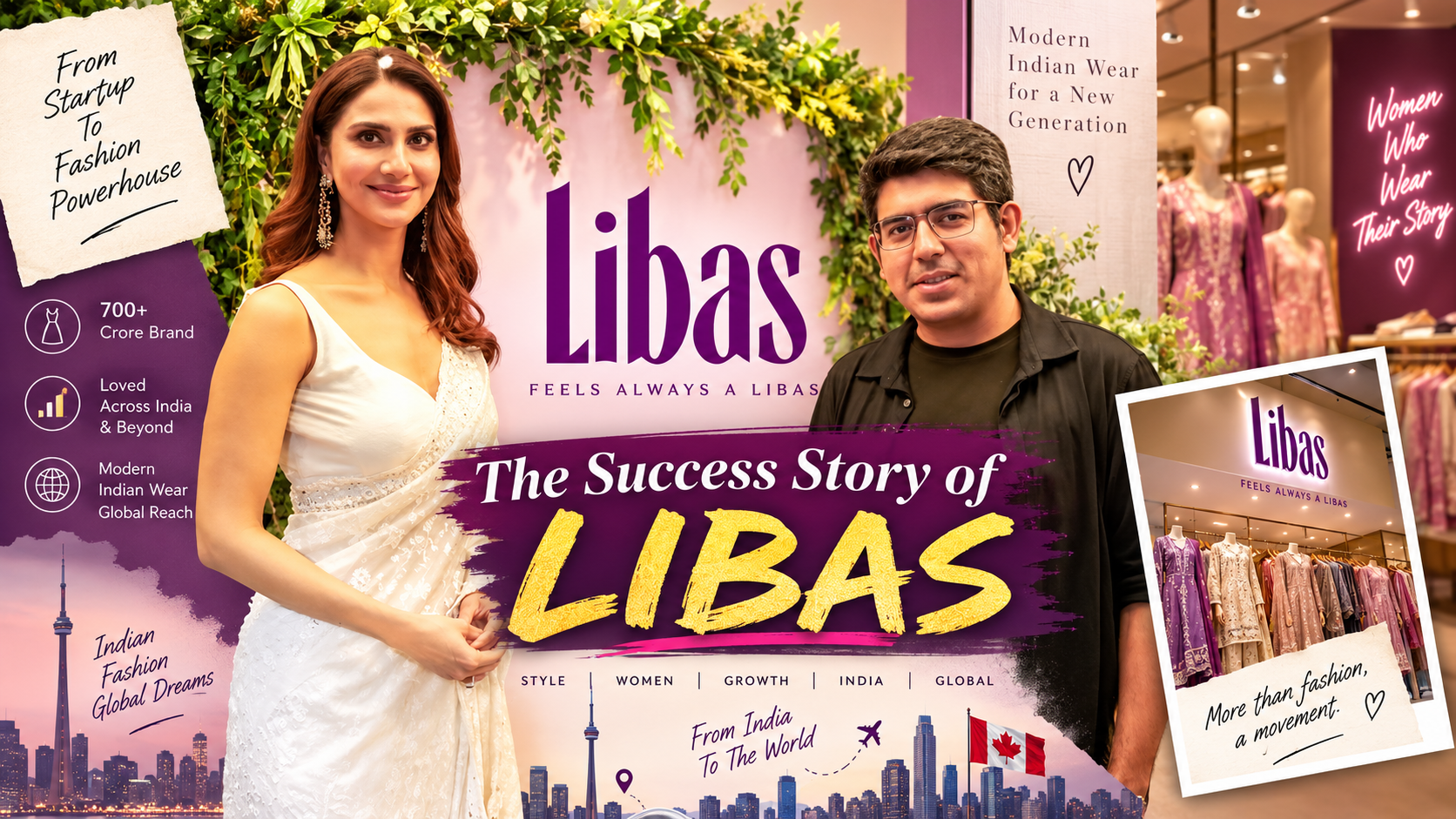
A business case study on Libas and Sidhant Keshwani, covering online-first ethnicwear growth, repeatable product-market fit, pricing, merchandising, marketplace scale…
Read More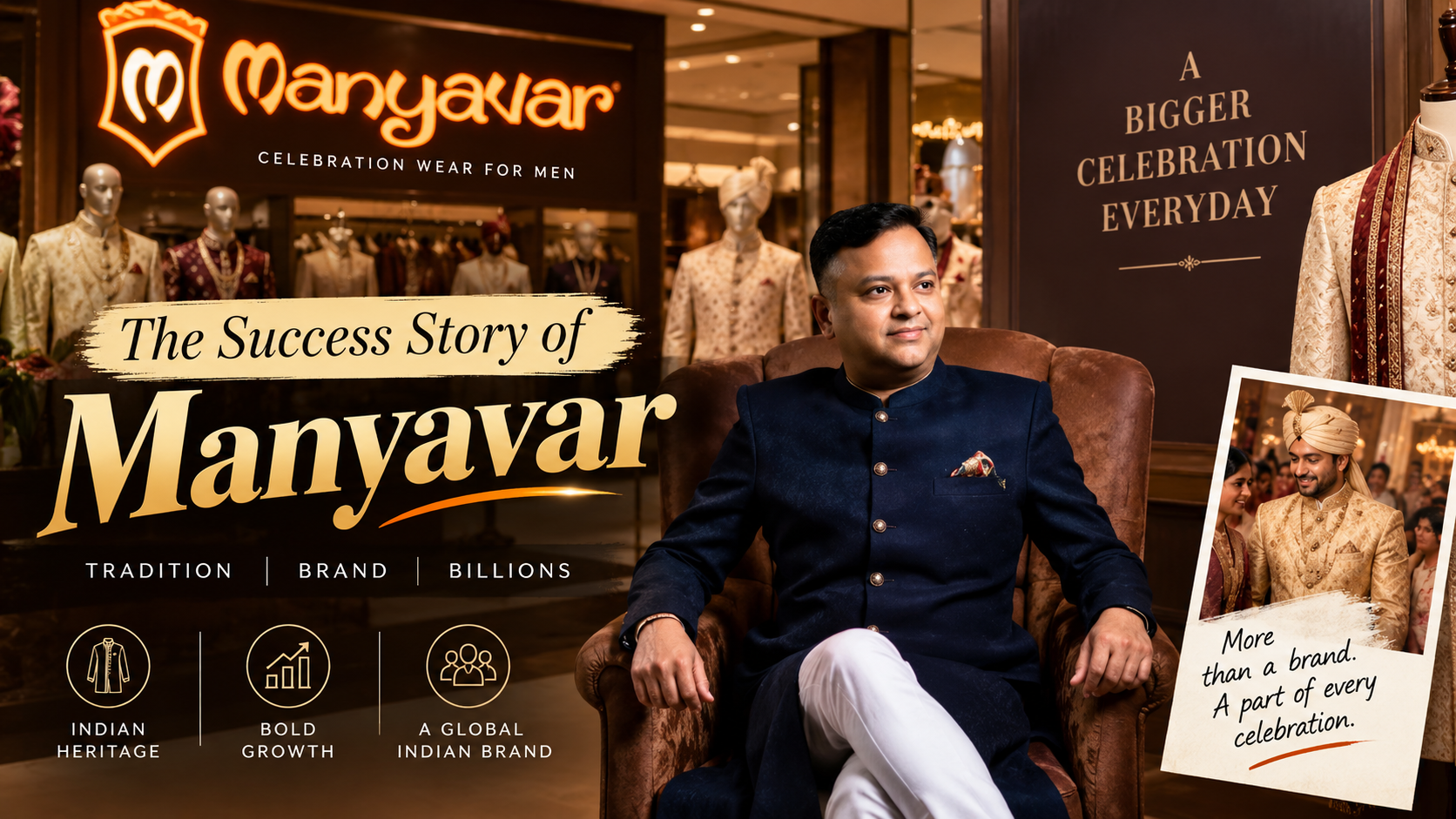
A business case study on Ravi Modi and Manyavar, showing how category focus, multi-brand distribution, disciplined expansion and celebration-led positioning…
Read More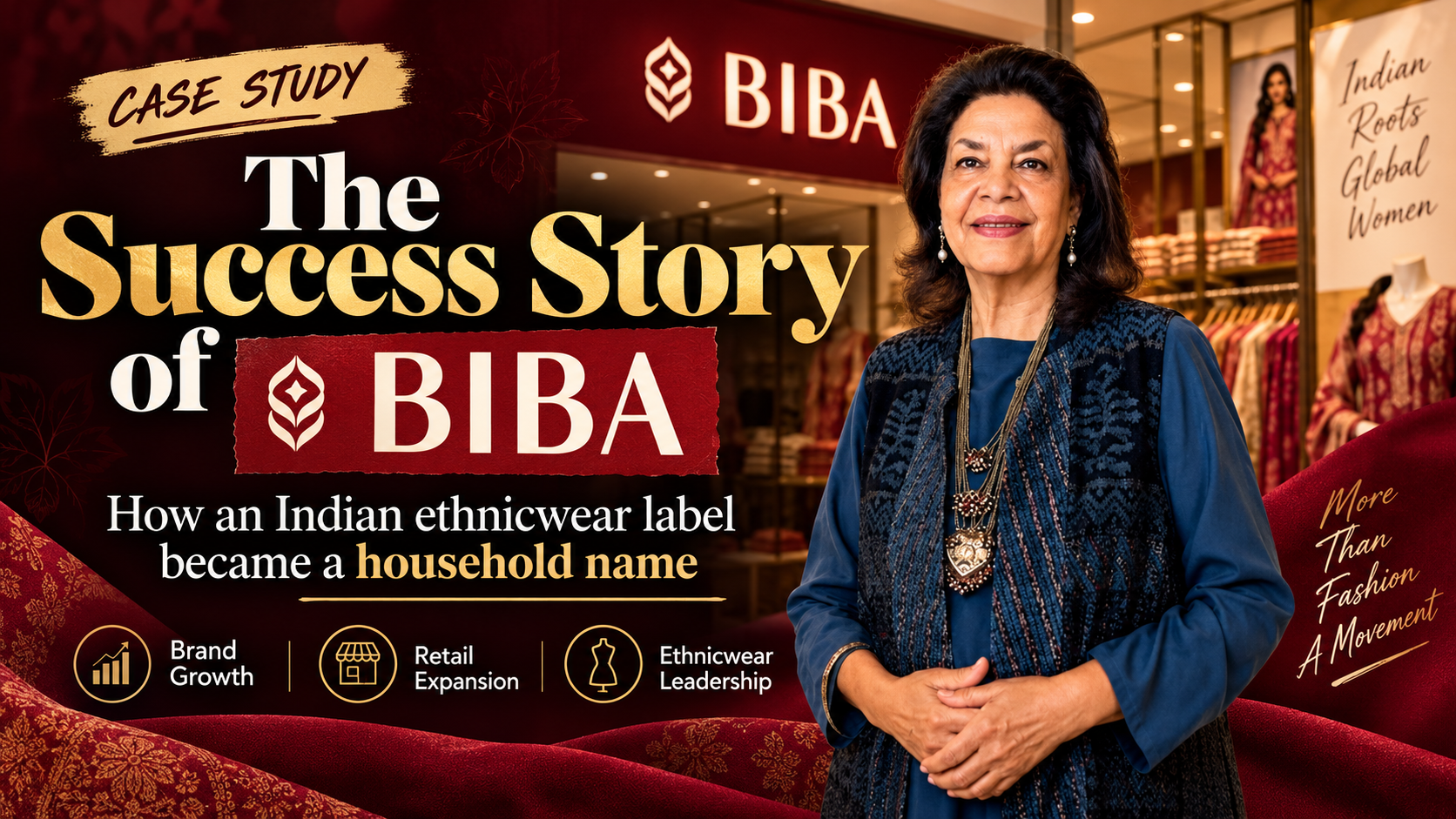
A business case study on Meena Bindra and BIBA, covering the journey from a small home-based salwar-kameez business to wholesale…
Read More
A case study on Ayesha Azeem’s Dhaani and what Chikankari and ethnicwear businesses can learn about diaspora demand, creator-led commerce,…
Read More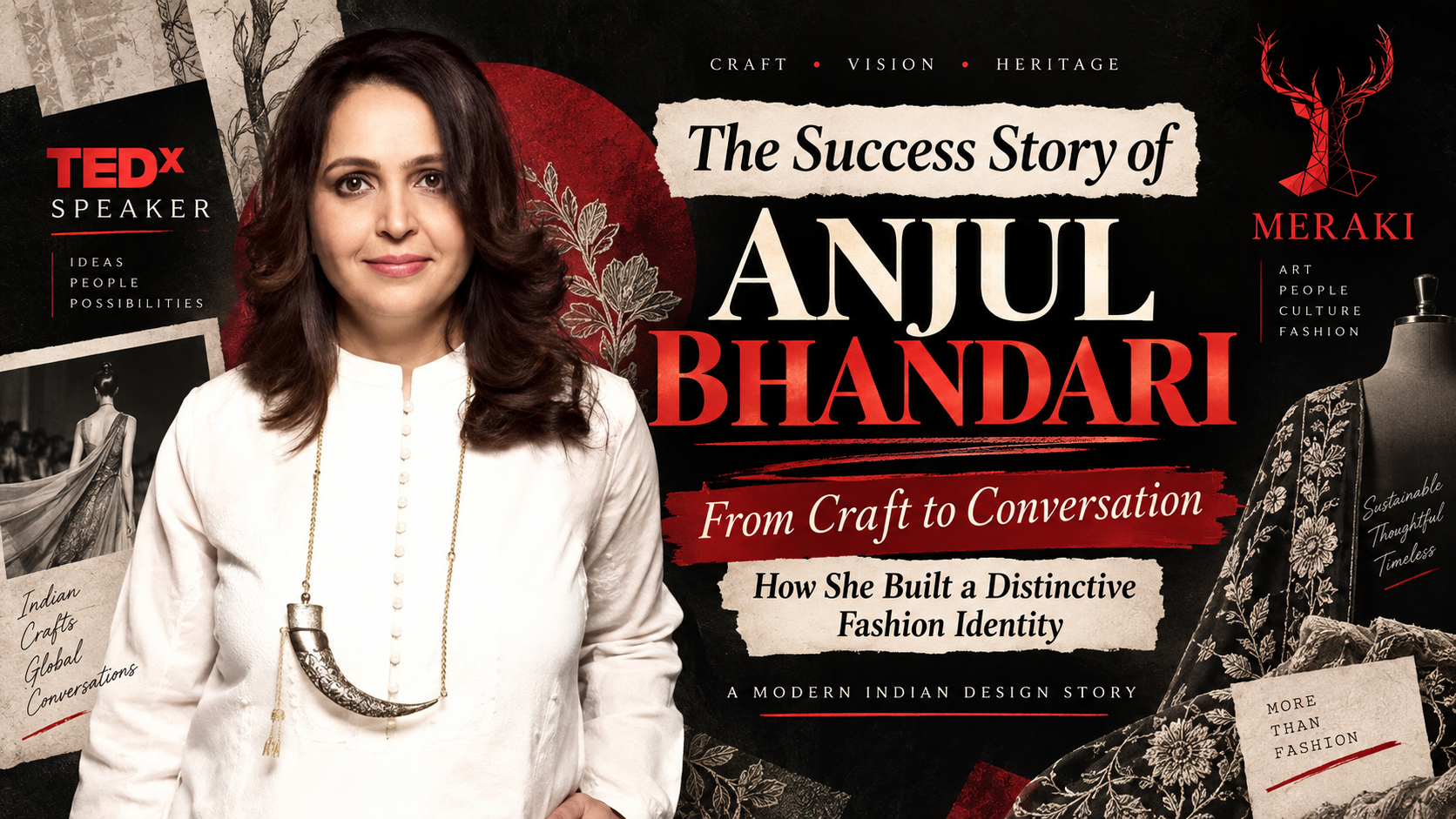
A case study on Anjul Bhandari and how a designer can build a premium craft identity around Chikankari, Kaamdani and…
Read MoreDon't have an account yet? Sign up
No items in your cart. Go on, fill it up with something you love!
Start Shopping Now