Authentic Lucknow Chikankari | Wholesale | Manufacturing | Private Label SHOP NOW

Authentic Lucknow Chikankari | Wholesale | Manufacturing | Private Label SHOP NOW
AUSTRALIA • B2B CHIKANKARI SOURCING FROM INDIA
Chikankari Wholesale Australia — Source From Lucknow, India
Source Lucknow Chikankari for boutiques, fashion brands, importers, resellers, ecommerce businesses, exhibitors and distributors across Australia. This page is built for buyers looking to source Chikankari from India with a clearer understanding of product selection, sizing, sampling, compliance, landed cost and repeat-order planning.
Whether your business is based in Sydney, Melbourne, Brisbane, Perth, Adelaide or another Australian market, the first step is to define the product, quantity, sourcing model and target customer before requesting a quotation.
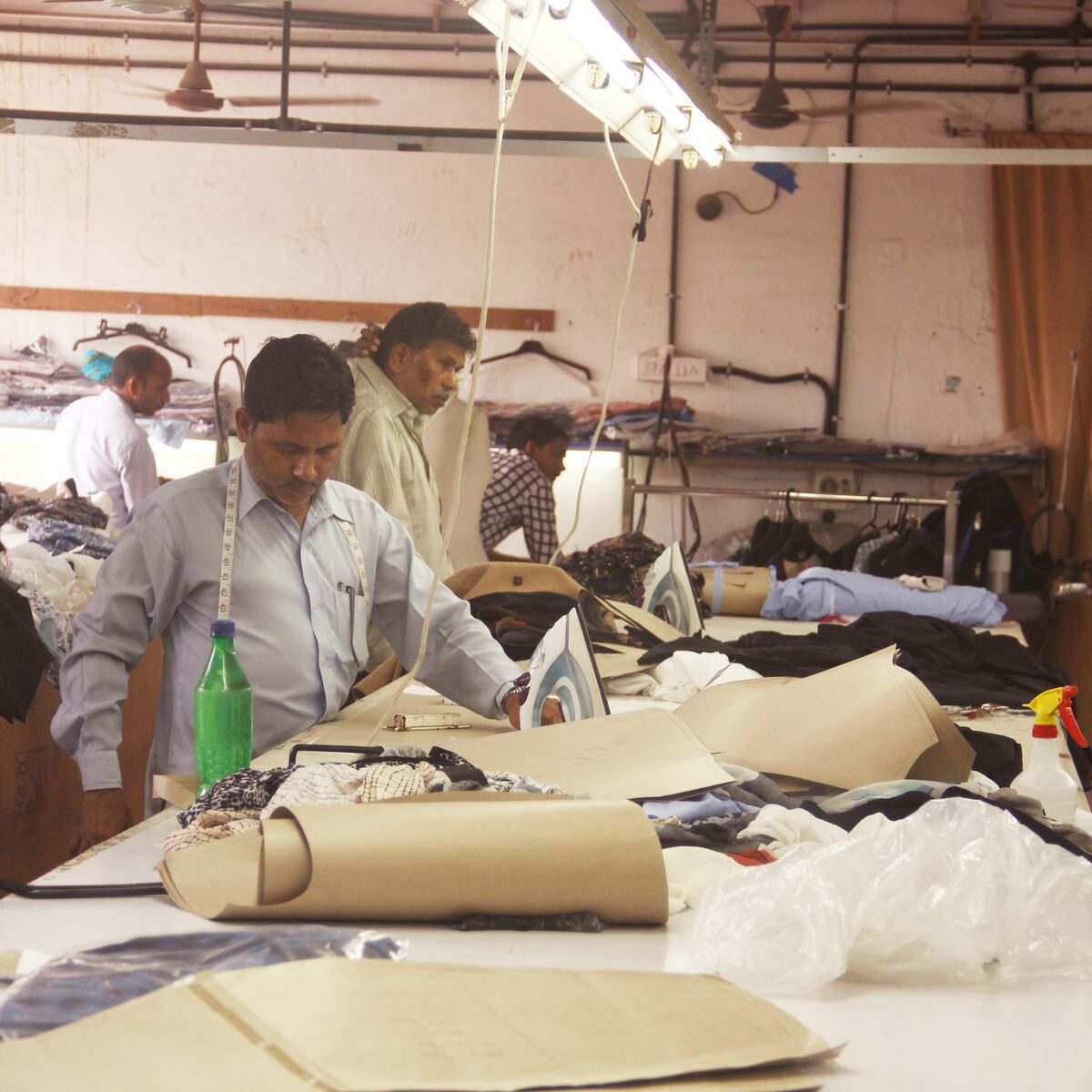
Who This Australia Sourcing Page Is For
Importers & distributors: buyers sourcing Indian ethnicwear or Chikankari for resale into multiple stores, wholesale accounts or regional channels.
Fashion brands & private-label founders: businesses developing a differentiated Chikankari range under their own brand identity.
Boutiques & retailers: stores curating Indian fashion, resort wear, occasion wear or artisanal clothing for Australian customers.
Ecommerce sellers & resellers: online businesses testing ready stock, repeat sellers and smaller curated assortments.
Exhibitors, pop-ups & trunk-show sellers: businesses buying for exhibitions, festive events and temporary retail formats where product mix and timing matter.
Choose the Right Australia Sourcing Model
Ready Stock
Useful for resellers, exhibitions and retailers who need existing products rather than a development cycle. Availability, size mix and dispatch timing should be confirmed against the live stock position.
Curated Wholesale
Choose from existing styles to build an assortment around your Australian customer, selling channel and planned retail price position.
Custom Manufacturing
For buyers who need specific silhouettes, fabrics, embroidery levels, colours, sizing or product specifications rather than selecting only existing stock.
Private Label
For Australian fashion brands developing Chikankari under their own identity. Branding, labels, packaging, measurement specifications and product-development requirements should be agreed for the project.
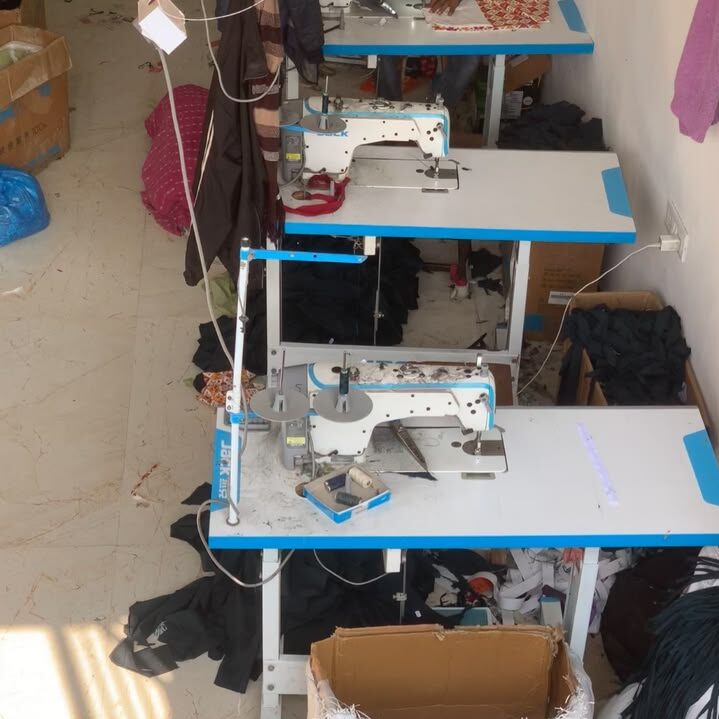
Plan for Australia’s Climate and Opposite Retail Calendar
Australia’s selling calendar is different from India, the UK and much of Europe because the seasons are reversed. Summer-focused buying is relevant around December to February, while winter falls around June to August.
That makes fabric and assortment planning especially important. Lightweight cotton, Mulmul, Muslin, Modal and other breathable or fluid fabrics can be useful for warm-weather ranges, while premium, layered or richer products may be more relevant to specific festive, occasion or cooler-season briefs.
For buyers: plan your order around the actual Australian launch month, selling event and customer use case—not the Indian season in which you are placing the order.
What Australian Buyers Can Source
Product availability and manufacturing feasibility should be confirmed against the actual requirement, but common Chikankari sourcing conversations can include:
- Kurtis and kurtas
- Kurta sets and suit sets
- Co-ord sets
- Dresses, tops and shirts
- Sarees and dupattas
- Fabric and unstitched products
- Men’s Chikankari styles
- Private-label or custom-developed collections
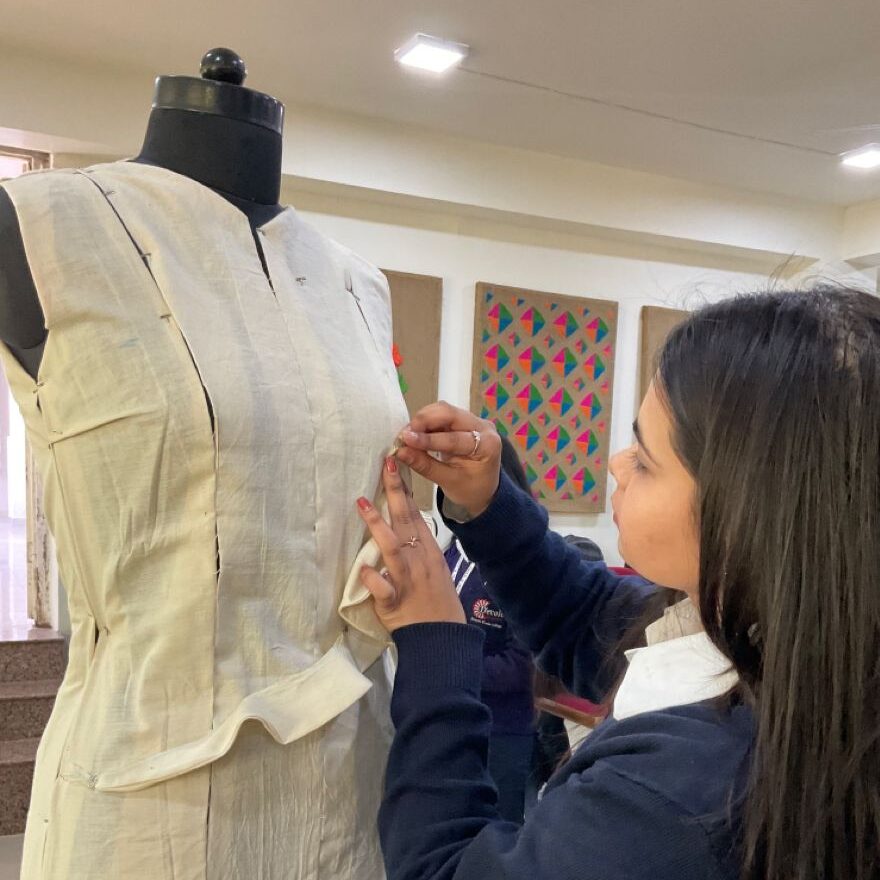
Australia Sizing: Sell the Measurement, Not Just the Label
Indian ethnicwear labels such as S, M, L or XL should not automatically be treated as equivalent to an Australian fashion size. For wholesale and private-label buying, use actual garment measurements and fit testing as the production reference.
Confirm bust, waist, hip, shoulder, armhole, sleeve and garment length where relevant. If your Australian brand already has a size chart or tech pack, use that during sampling rather than relying only on a generic India-to-Australia conversion.
For retail communication, clearly state whether the chart shows body measurements or finished garment measurements.
Importing Chikankari Into Australia: What Buyers Should Plan For
Australian importers should confirm the correct tariff classification, customs value, country-of-origin information, labelling requirements and any permits or restrictions applicable to the actual goods. Australia does not generally require an import licence for ordinary goods, but specific goods can still require permits or other controls.
For clothing and textiles covered by Australia’s mandatory care-labelling standard, suppliers must provide compliant care information. The current standard allows written care instructions in English, internationally recognised care symbols, or both.
Imported goods can also attract GST and other charges depending on the shipment. Australian Border Force states that taxable importations generally attract 10% GST, and consignments over AUD 1,000 can involve customs duty, taxes and import-processing charges depending on the goods and applicable concessions.
Australia and India also trade under the Australia–India Economic Cooperation and Trade Agreement (ECTA). Preferential treatment can depend on the relevant goods and origin requirements, so buyers should confirm the correct tariff treatment and documentation for their shipment rather than assuming a rate from a generic website statement.
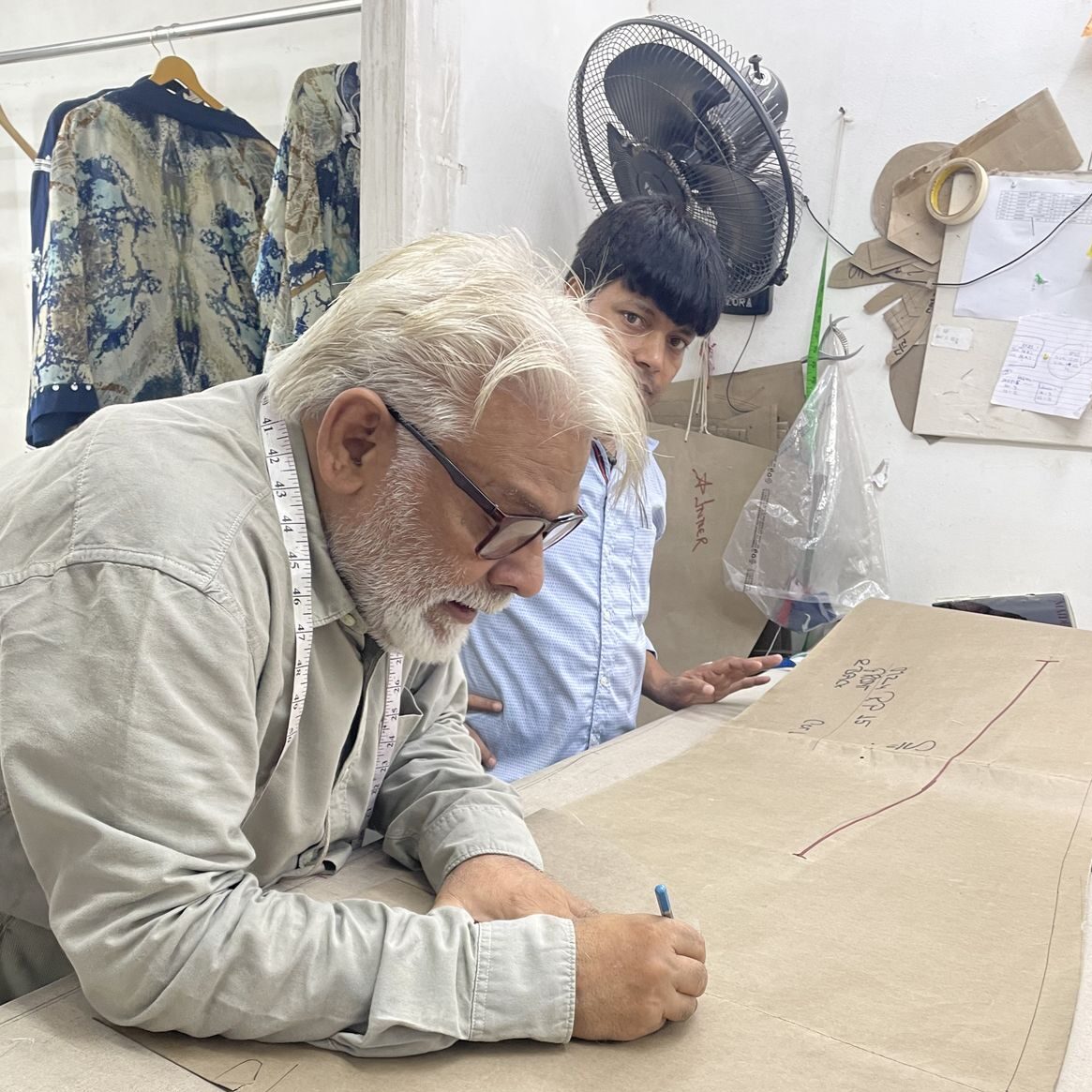
Build Landed Cost Before You Build Retail Price
Your supplier’s product price is not the final cost of inventory in Australia. A professional buying calculation should consider:
- product cost
- sampling or development cost where applicable
- packing
- international freight
- insurance where applicable
- customs duty or preferential tariff treatment where applicable
- GST and import-processing charges
- broker or clearance charges where applicable
- domestic delivery inside Australia
Use the landed cost to decide whether the intended Australian retail or wholesale price leaves enough room for your operating costs and margin.
A Practical Australia Sourcing Workflow
- Define the business model: importer, boutique, reseller, ecommerce, exhibition or private label.
- Share the target market: customer, city/region, product categories and intended retail position.
- Choose the sourcing route: ready stock, curated wholesale, custom or private label.
- Shortlist and sample: review fabric, embroidery, fit, measurements and finish.
- Approve the specification: style, colour, size breakdown, quantity, packaging and any branding requirements.
- Confirm commercials and logistics: quotation, payment terms, shipping method, destination and import responsibilities.
- Receive, sell and learn: track sell-through by style, size, colour and price point.
- Reorder proven products: preserve sample, SKU, fabric and measurement references for repeat buying.
Chikankari Wholesale Australia FAQs
Yes. Australian boutiques can source from Indian suppliers and manufacturers, but should confirm product specifications, samples, measurements, commercial terms, shipping and import responsibilities before ordering.
B2B enquiries can be structured around ready stock, curated wholesale, custom manufacturing or private-label requirements. The suitable route depends on the product category, quantity, timing and business model.
Private-label development can be discussed around the buyer’s product brief, fabric, embroidery, sizing, labels, packaging and approximate quantity. Feasibility and commercial terms should be confirmed for the actual project.
Australia has varied climates, but lightweight cotton, Mulmul, Muslin, Modal and suitable rayon or viscose qualities can be relevant for warm-weather collections. Chanderi, Georgette and other fabrics may suit festive or premium ranges. The final fabric should match the target customer and launch season.
Use actual garment measurements rather than relying only on S, M, L or XL labels. For private label, provide your Australian brand’s own size chart or tech pack where possible and approve the fit before bulk production.
Australia has a mandatory care-labelling standard for covered clothing and textile products. The standard allows care instructions in English, internationally recognised care symbols, or both. Buyers should confirm the current requirements for the actual product before retail sale.
GST is generally payable on taxable importations unless an exemption applies. Australian Border Force states the GST rate on taxable importations is 10% of the value of the taxable importation. Buyers should calculate the actual import treatment for their shipment.
Australia and India trade under ECTA. Preferential tariff treatment depends on the goods and applicable origin requirements. Importers should confirm the correct tariff classification and required origin documentation for the shipment.
Yes, exhibition and pop-up buyers can discuss ready-stock or curated assortment requirements. Share the event date, city, target customer, categories and approximate quantity early enough to plan stock and shipping.
Shipping depends on destination, shipment weight or volume, method, carrier and the final order. Freight should be quoted against the actual packed shipment rather than treated as one universal rate.
Samples are useful for checking fabric, embroidery, fit, sizing and finishing before committing to a larger or custom order. Sample terms depend on the actual product and development requirement.
Share your city or state, buyer type, product categories, sourcing model, approximate quantity, target launch date and any fabric, sizing, branding or private-label requirements.