Authentic Lucknow Chikankari | Wholesale | Manufacturing | Private Label SHOP NOW

Authentic Lucknow Chikankari | Wholesale | Manufacturing | Private Label SHOP NOW
CHIKANKARI WHOLESALE SHIPPING & EXPORT
Chikankari Wholesale Shipping & Export from Lucknow, India
Plan B2B Chikankari shipments from Lucknow with clearer decisions around packing, freight method, chargeable weight, customs handoff, tracking, landed cost and delivery responsibility.
This guide is for boutiques, retailers, resellers, importers, distributors, ecommerce sellers, sourcing agents and fashion brands shipping wholesale Chikankari within India or internationally.
Exact freight rates, carrier, transit time, insurance, duties, taxes and destination-clearance requirements depend on the actual consignment and are confirmed before dispatch.
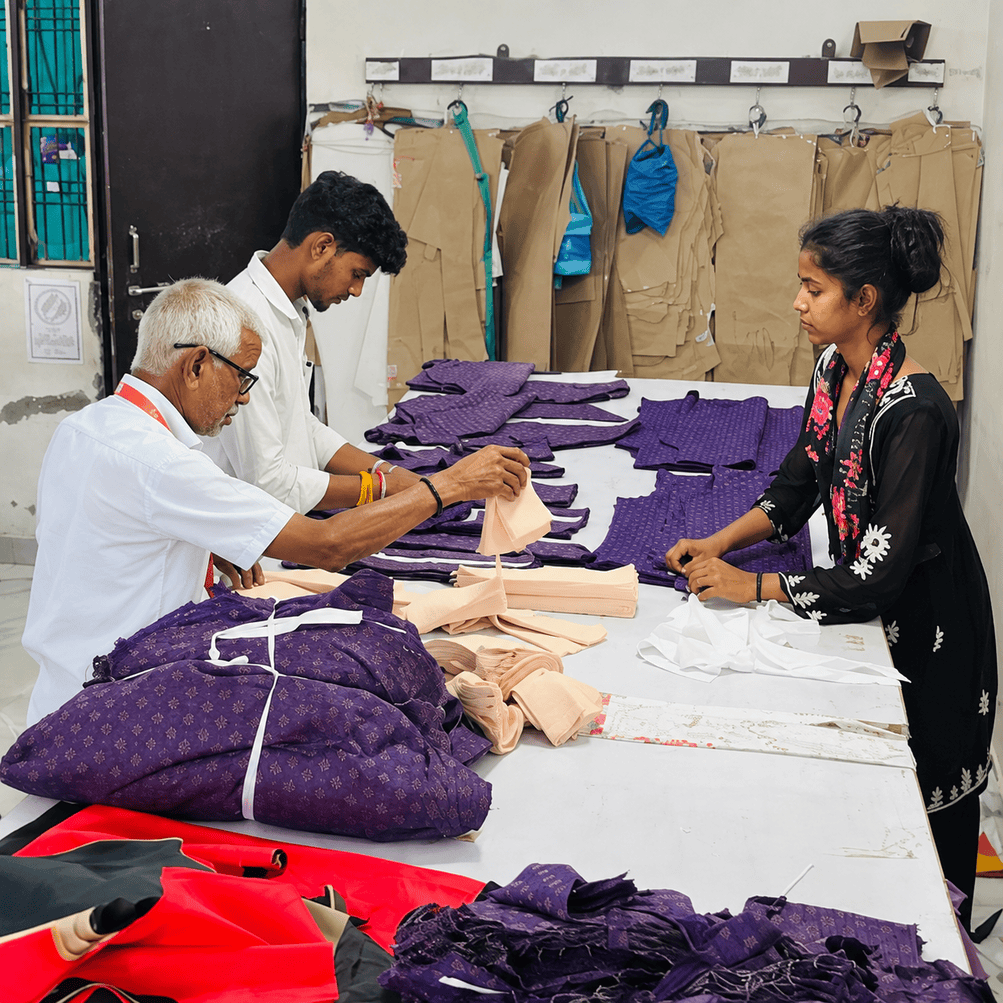
A Shipping Process Built Around B2B Orders
A wholesale shipment should be planned around the destination, product mix, carton profile, delivery requirement and who is responsible at each stage.
Destination First
Country, city, postal code and buyer/importer details influence the usable shipping route and landed-cost planning.
Pack to the Order
SKU, size, colour, folding, inner packing and carton structure should follow the agreed B2B requirement.
Quote the Consignment
Freight should be evaluated after shipment weight, dimensions, destination and service level are sufficiently clear.
Track the Handoff
Dispatch, customs processing, carrier movement and final delivery are different milestones and should be tracked separately.
How a Chikankari Wholesale Shipment Should Move
01. Confirm Shipment Profile
Destination, quantity, product type, packed dimensions, gross weight, timing and buyer/importer details.
02. Select Shipping Route
Compare express/courier, air-freight or buyer-nominated forwarding options where commercially and operationally suitable.
03. Pack, Document & Dispatch
Complete agreed packing, shipment documentation and export formalities before handoff to the carrier or forwarder.
04. Customs, Tracking & Delivery
Monitor export movement, destination clearance, delivery attempts and final receipt by the buyer or consignee.

Packing for Wholesale & Export Orders
Packing should protect the product and make the shipment easier for the buyer to receive, count and distribute.
Depending on the actual order, the packing brief can cover:
- folding method
- individual garment protection
- SKU, colour and size identification
- set-component checks
- inner-pack or ratio-pack requirements
- carton quantity and carton numbering
- gross and net weight records
- carton dimensions
- buyer-supplied barcode or label requirements
- special handling or presentation requirements
Exact packaging materials, custom branding, barcode application, ratio packing and carton specifications are confirmed for the actual order and quotation.
Choose the Shipping Method by Order Profile
Express / Courier
Can suit samples, smaller B2B consignments or shipments where door-to-door speed and shipment-level tracking are priorities. Availability, carrier, rate and service level depend on destination and package profile.
Air Freight / Forwarder
Can be evaluated for larger commercial consignments where freight economics, airport handling and destination clearance are coordinated through a freight forwarder.
Buyer-Nominated Logistics
Importers or distributors may prefer their own courier account, freight forwarder or consolidation partner. Pickup, documentation handoff and responsibilities should be agreed before dispatch.
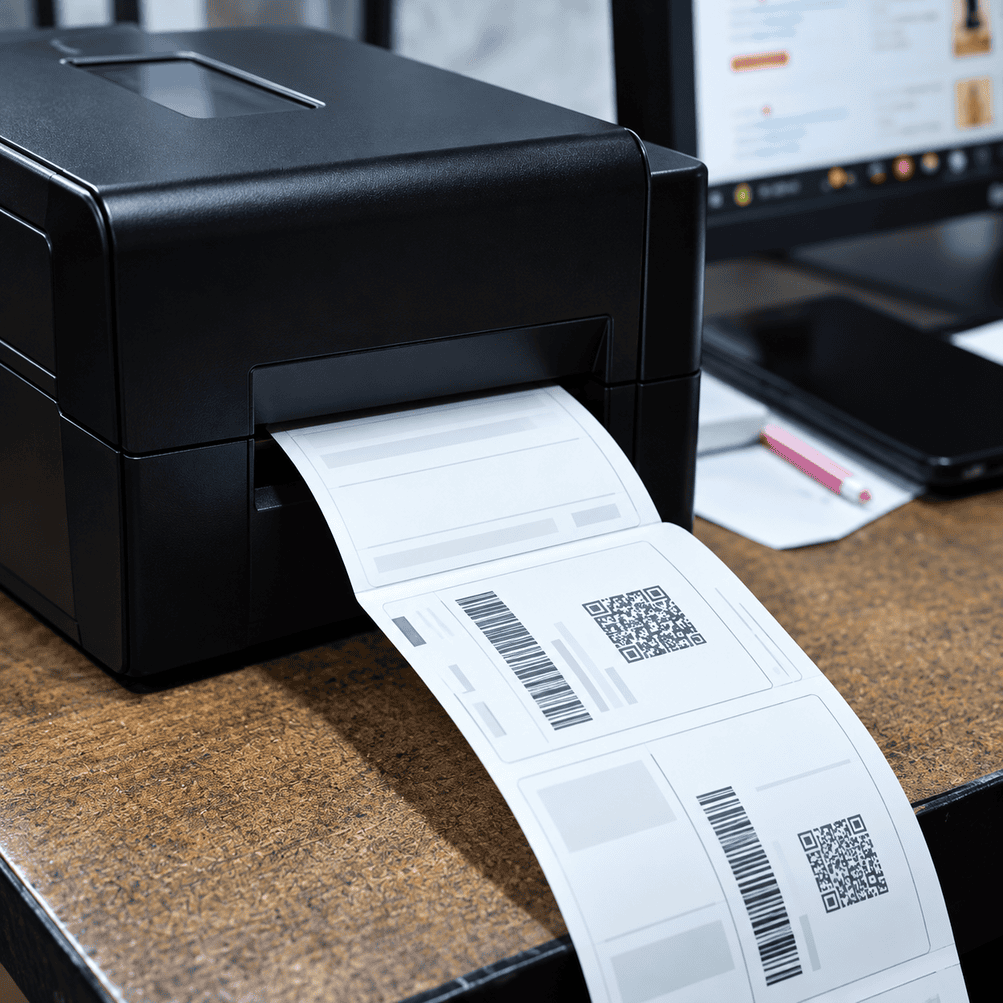
Shipping Quotes Depend on More Than Kilograms
A shipping quote should be based on the actual shipment profile—not a generic per-order estimate.
Relevant inputs can include:
- destination country, city and postal code
- number of cartons
- actual gross weight
- packed carton dimensions
- chargeable / volumetric weight used by the selected service
- pickup and delivery locations
- service level
- customs-clearance arrangement
- remote-area or special-handling conditions where applicable
For international shipping, dimensional weight can materially affect freight cost even when garments themselves are lightweight. The applicable calculation and divisor are carrier/service-specific and should be confirmed on the quote.
Customs Handoff: Exporter and Importer Have Different Responsibilities
Shipping and customs are connected, but they are not the same process.
Under India’s current Foreign Trade Policy 2023, mandatory export documents for goods include the relevant transport document, a commercial invoice-cum-packing list, and a Shipping Bill/Bill of Export/Postal Bill of Export; product- or destination-specific requirements can require additional documentation.
The overseas buyer or importer should confirm destination-country tariff classification, import licence or registration requirements where applicable, duties/taxes, labelling rules, customs broker needs and other local compliance before shipment.
Do not assume that a door-to-door courier quote automatically includes destination duty, tax, customs brokerage or every clearance charge. The commercial and delivery terms for the actual shipment should state what is and is not included.
Plan Landed Cost Before You Approve the Order
The buyer should evaluate the order on a landed-cost basis rather than comparing product price or freight in isolation.
Depending on the destination and commercial arrangement, landed cost can include:
- product value
- packing charges if separately applicable
- origin freight or pickup
- international freight
- insurance where applicable
- customs duty
- import VAT/GST/sales tax where applicable
- customs brokerage or clearance
- destination handling
- final-mile delivery
Duty and tax treatment varies by destination, product classification, origin and trade arrangement. Exact landed cost should be confirmed for the specific shipment.

Tracking, Customs Delays & Final Delivery
A dispatch date is not the same as a guaranteed delivery date. International movement can be affected by carrier routing, customs review, missing importer information, holidays, remote-area delivery, weather or unsuccessful delivery attempts.
For B2B shipments, keep these milestones separate:
- order packed
- shipment collected / handed over
- export processing
- international transit
- destination customs clearance
- out for delivery
- delivered
If customs requests information from the importer, response time can directly affect delivery. Buyers should monitor tracking and provide clearance information promptly.
If a Shipment Arrives Damaged or Incomplete
At delivery, the consignee should check the external carton condition, carton count and any obvious signs of damage before disposing of packaging.
If there is an issue, retain photographs of the outer carton, labels, internal packing and affected goods. Record the shipment/tracking number, carton number and quantity involved.
Carrier claims, insurance coverage, claim windows and documentary requirements vary by service. Insurance or compensation should never be assumed unless confirmed for the actual shipment.
Shipping & Export Checklist for B2B Buyers
- Destination: country, city, postal code and consignee/importer details
- Order: product references, quantity, sizes, colours and set contents
- Packing: inner pack, labels, carton ratio, carton count and special instructions
- Weight & dimensions: actual packed figures before final freight confirmation
- Shipping route: courier, freight or buyer-nominated forwarder
- Commercial terms: what freight quote includes and excludes
- Documentation: invoice, packing list, transport and export documents as applicable
- Customs: importer confirms destination duty, tax and compliance
- Tracking: monitor customs and delivery milestones, not only dispatch
- Receipt: inspect cartons and retain evidence if damage or shortage is found
Chikankari Wholesale Shipping & Export FAQs
International B2B shipping requirements can be reviewed based on destination, order profile and available logistics route. Exact carrier, freight cost, service level and transit estimate must be confirmed for the actual shipment.
Freight can depend on destination, service level, actual weight, packed dimensions, chargeable or volumetric weight, carton count and other service-specific charges. A reliable quote should be based on the packed shipment profile.
A preliminary estimate may be possible when destination and approximate shipment profile are known, but the final freight amount should be confirmed after packed weight and dimensions are sufficiently accurate.
Express or courier services are commonly evaluated for samples because shipment size is smaller and tracking is useful, but the actual route, carrier and rate depend on destination and package profile.
Larger B2B consignments can be evaluated for courier, air-freight or buyer-nominated forwarding depending on weight, dimensions, destination, urgency and commercial economics.
Buyer-nominated courier or forwarder arrangements can be discussed. Pickup address, account instructions, documentation handoff and responsibility for charges must be confirmed before dispatch.
Not automatically. Duty, tax, brokerage and destination-clearance charges depend on destination, shipment terms and service. The buyer/importer should confirm what is included in the actual freight quote and what remains payable at destination.
Responsibility depends on the agreed commercial and shipping terms. In many B2B imports, the buyer or importer provides local customs information and handles or appoints a broker for destination clearance. Confirm the arrangement before shipment.
India’s Foreign Trade Policy 2023 lists the relevant transport document, commercial invoice-cum-packing list and Shipping Bill/Bill of Export/Postal Bill of Export among mandatory export documents for goods. Additional documents can apply depending on product and destination.
There is no universal transit time. Carrier route, service level, customs processing, destination, holidays, weather and delivery conditions can all change actual delivery. Use the shipment-specific estimate rather than a fixed website promise.
Dispatch planning can be discussed, but international delivery dates should not be treated as guaranteed unless the selected carrier/service explicitly provides such a commitment for the actual shipment.
Insurance is not assumed. Availability, declared value limits, coverage and claim terms depend on the selected logistics service and must be confirmed before dispatch.
Photograph the outer carton, shipping label, internal packing and affected goods before discarding packaging. Record the shipment and carton details and report the issue promptly because carrier or insurance claim windows can be limited.
Share destination country, city and postal code, buyer/importer details, product categories, approximate quantity, required delivery window and any special packing or logistics instructions. Final freight confirmation may require packed weight and dimensions.