Authentic Lucknow Chikankari | Wholesale | Manufacturing | Private Label SHOP NOW

Authentic Lucknow Chikankari | Wholesale | Manufacturing | Private Label SHOP NOW
PRIVATE LABEL CHIKANKARI MANUFACTURING
Build Your Own Chikankari Range with a Clear Private-Label Development Process
Private-label Chikankari is for fashion brands, boutiques, designers, ecommerce sellers and importers who want a product range built around their own market, sizing, branding and commercial position.
A strong private-label project should move from buyer brief → product development → sampling → approval → commercial confirmation → production → QC → packing and dispatch. The exact scope, MOQ, pricing, development cost, lead time and branding options are confirmed for the individual project rather than assumed in advance.
Who Is Private Label Chikankari Best Suited For?
Boutiques
For boutiques that want a differentiated Chikankari collection instead of selling the same assortment as every other retailer.
Fashion Brands
For brands building a defined category, capsule, festive drop or ongoing Chikankari line with repeatable specifications.
Ecommerce Sellers
For online sellers who need consistent product identifiers, size specifications, brand presentation and a clearer reorder reference.
Importers / Distributors
For buyers sourcing for a defined territory or customer segment who need commercial clarity, repeatability and agreed packing or labelling requirements.
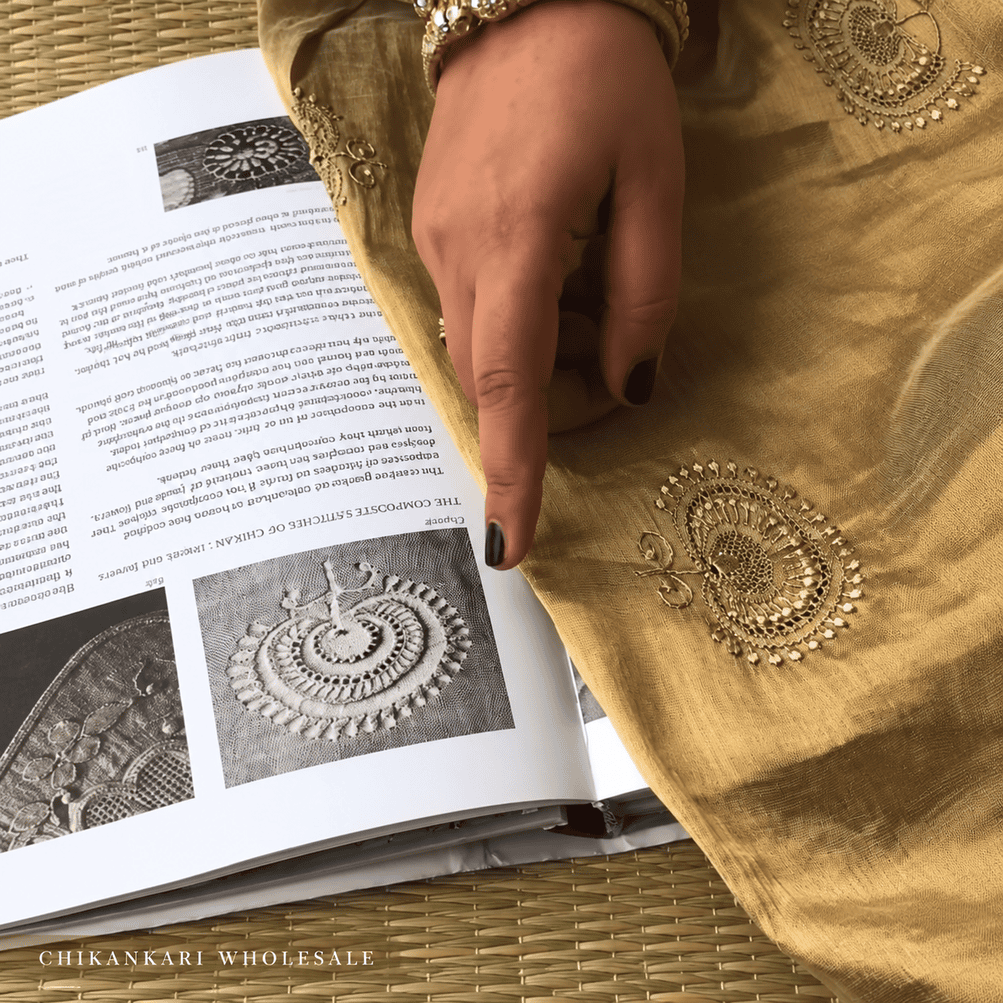
01. Begin With a Commercially Useful Brand Brief
A private-label project should start with your customer and market, not only with a reference image.
Share:
- brand or business name and country
- target customer and price position
- product categories
- reference images, sketches or moodboards
- preferred fabrics
- embroidery direction
- size chart or target measurements
- approximate quantity
- branding, labels, tags or packaging requirements
- target launch or delivery window
This allows the project to be evaluated as a commercial product range rather than a one-off design exercise.
What Can Be Customised in a Private-Label Chikankari Project?
Fabric & Colour
Discuss fabric family, opacity, drape, weight, lining need and colour direction subject to project feasibility and availability.
Silhouette & Measurements
Length, sleeves, neckline, fit, construction and size specifications can be reviewed against your target customer and reference.
Embroidery Direction
Motif language, placement, density and overall visual balance can be developed around the intended product and price position.
Labels & Tags
Brand labels, size labels, care labels, hangtags and related requirements can be discussed where applicable to the project.
Packaging
Packing format, polybags, boxes, inserts or other branded presentation should be defined early because it can affect cost and logistics.
Assortment Structure
Product mix, colours, sizes and quantity per style should be planned together so the collection is commercially coherent.
Private Label Development Workflow
01 — Brief & Feasibility
Buyer requirement, category, references, quantity and branding scope are reviewed.
02 — Development Direction
Fabric, silhouette, embroidery, measurements and brand presentation are aligned.
03 — Sample Development
A physical sample is developed against the agreed product brief.
04 — Review & Revision
Buyer reviews fit, measurements, embroidery, construction and branding details.
05 — Approval & Commercials
Approved specification, MOQ, price, payment terms and production plan are confirmed.
06 — Production, QC & Dispatch
Bulk production follows the approved reference, then QC, packing and dispatch requirements are applied.
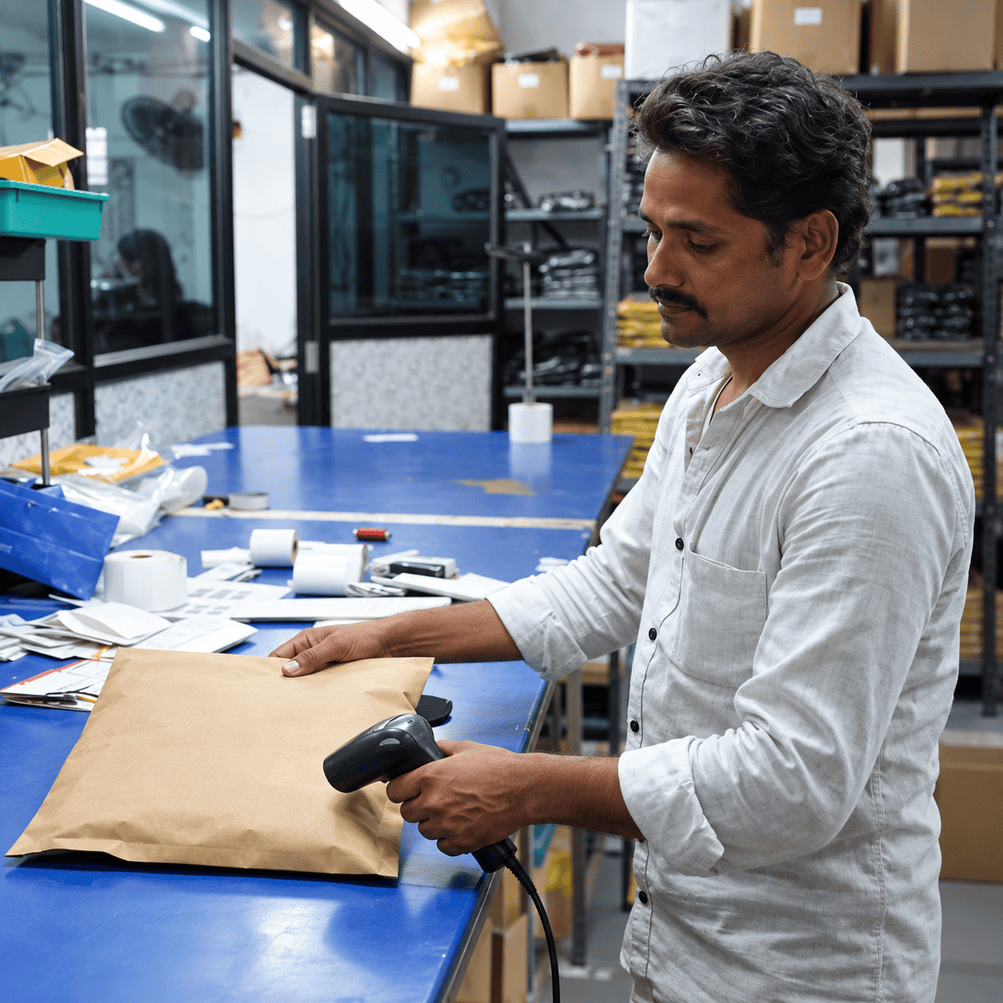
02. Treat Branding and Packaging as Production Specifications
Private label is not simply adding a logo at the end. Branding components should be included in the approved specification wherever relevant.
Confirm:
- brand label position and dimensions
- size-label format
- care-label content supplied by the buyer where applicable
- hangtag artwork and attachment method
- packing format
- barcode or SKU requirements where applicable
- carton or assortment instructions
Any branded component that affects cost, production or packing should be agreed before bulk confirmation.
Sampling Is the Control Point Before Bulk Production
The approved sample should become the benchmark for product development and bulk review. Buyers should evaluate fabric, embroidery, measurements, fit, construction, finishing and branding together rather than approving only one feature.
Approve the Product
- fabric and colour
- embroidery placement and density
- measurements and fit
- construction and finishing
- lining, closures and trims
Approve the Brand Presentation
- labels and tags
- packing format
- brand placement
- SKU / barcode needs where applicable
- carton / assortment instructions
MOQ, Pricing & Payment Terms Must Be Agreed After the Scope Is Clear
Private-label pricing should be built around the approved product and project scope. Fabric, embroidery, quantity, size range, branding, packaging and development requirements can all affect the commercial structure.
Likewise, payment terms should be agreed before production begins. For made-to-order/private-label work, production milestones and payment expectations should be documented clearly rather than left informal.
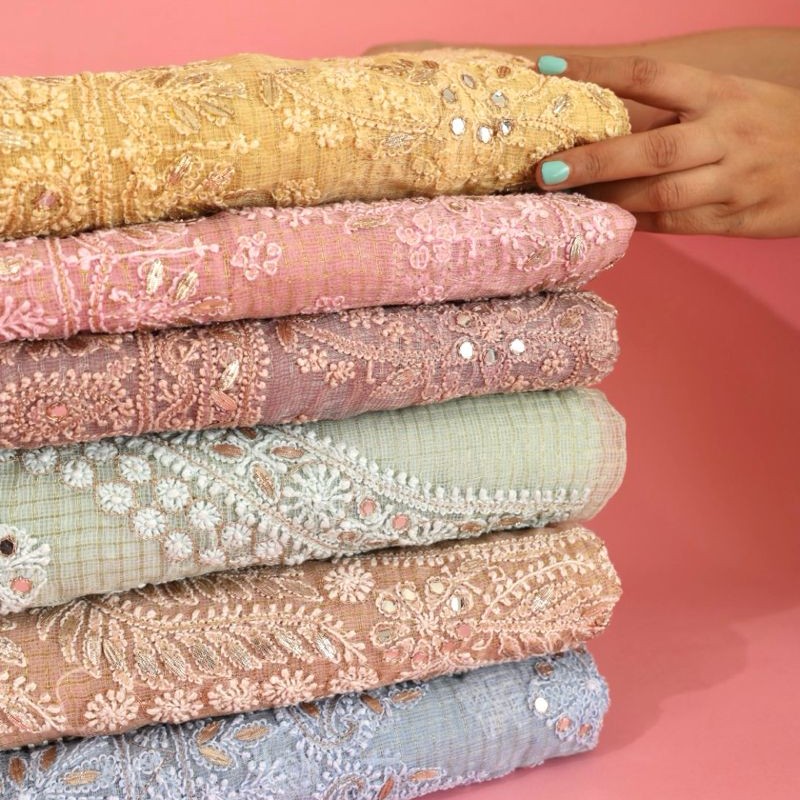
03. Build Quality Control Around the Approved Reference
Bulk QC should compare production against the approved specification rather than against memory or chat messages.
Useful controls include:
- measurement checks against approved size specification
- fabric and colour confirmation
- embroidery placement and visual review
- construction and finishing checks
- label and tag placement
- packing and assortment verification
Any acceptable production tolerance or variation should be agreed where relevant to the product and process.
Private Label for International Buyers
For international projects, product development should be planned together with destination-market requirements rather than treating export as an afterthought.
Sizing
Use the buyer’s approved size chart or measurement specification rather than assuming one market’s sizing convention applies globally.
Labels & Compliance
Buyer-supplied labelling and compliance requirements should be communicated before production. Destination-country rules should be verified for the actual market.
Shipping & Documentation
Shipping mode, packing, commercial documentation and customs requirements should be confirmed for the destination and order.
What Makes a Private-Label Project Easier to Manage?
One Approved Brief
Keep one current document that reflects the final agreed product and brand requirements.
Consolidated Feedback
Send revisions together rather than through scattered messages that can conflict with one another.
Written Approval
Approve samples, measurements, labels and packaging in writing before moving to bulk production.
Controlled Changes
Treat post-approval changes as new decisions that may affect price, MOQ or production timing.
READY TO BUILD YOUR OWN CHIKANKARI RANGE?
Start With Your Brand Brief
Send your brand name, country, product category, references, approximate quantity, size range and branding requirements. The next step can then be matched to your project—existing-product private label, modified development or fully custom product development.
Frequently Asked Questions About Private Label Chikankari
Click a question to open the answer.
It means developing or supplying Chikankari products for sale under the buyer’s own brand, subject to the agreed product, branding and commercial scope.
Brand labels, size labels, care labels and hangtags can be discussed where relevant. Exact feasibility, quantities, artwork responsibility and cost should be confirmed for the project.
You can submit sketches, reference images and specifications for feasibility review. Fabric, silhouette, embroidery, size range, quantity and target market all affect development.
These can be discussed as part of the development brief, subject to material availability, production feasibility and commercial viability.
Yes, a buyer-supplied size chart can be used as the basis for development once measurements and construction implications are reviewed and approved.
Sampling is strongly useful for private-label work because it creates a physical reference for fabric, embroidery, fit, measurements, construction and brand presentation before bulk production.
Revision scope varies by project. The number, type, cost and timing of revisions should be agreed before or during development rather than assumed.
There is no single MOQ stated for every private-label project. MOQ depends on the product, quantity mix, fabric, embroidery, development scope, branding and packaging requirements.
Pricing is based on the approved product and project scope, including relevant fabric, embroidery, construction, quantity, size range, branding, packaging and development inputs.
You can discuss a test assortment, but feasibility and MOQ still depend on the categories, styles, colours, sizes and development requirements involved.
This may be possible for some requirements, but existing-product branding should be reviewed separately from full custom private-label development because the commercial and production constraints can differ.
Packaging requirements can be discussed. Custom boxes, inserts, bags or other branded components may have their own quantity, artwork, cost and lead-time implications.
The buyer should provide final approved brand assets and any market-specific care or compliance content required for their brand and destination, unless otherwise agreed.
Timing depends on the product brief, fabric, embroidery, sample development, revisions, approvals and production scope. A project-specific timeline should be confirmed after the requirement is reviewed.
International buyers can discuss private-label projects, but destination-specific shipping, documentation, labels and compliance requirements should be reviewed for the actual market.
The next stage is commercial and production confirmation: final quantity, MOQ, price, payment terms, approved specification, QC expectations, packing and dispatch planning.
Approved product references make reordering clearer, but current material availability, pricing and production feasibility should still be reconfirmed for each reorder.
Any material change after approval should be reviewed again because it may affect development, cost, MOQ, production planning or delivery timing.