Authentic Lucknow Chikankari | Wholesale | Manufacturing | Private Label SHOP NOW

Authentic Lucknow Chikankari | Wholesale | Manufacturing | Private Label SHOP NOW
Chikankari Supplier in Lucknow for Wholesale & B2B Buyers
Source authentic Lucknow Chikankari closer to the craft’s recognised origin. We help boutiques, retailers, resellers, ecommerce sellers, importers, distributors, fashion brands and sourcing agents evaluate ready stock, wholesale supply, repeat orders, custom manufacturing and private-label requirements from Lucknow.
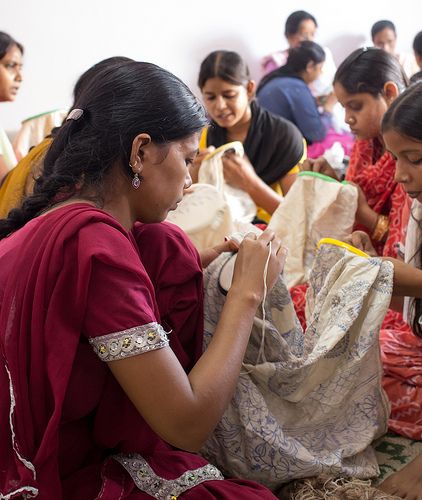
Lucknow Is Not Just a Chikankari Market — It Is the Craft’s Historic Centre
Lucknow Chikan Craft is a registered Geographical Indication (GI) handicraft. For B2B buyers, this matters because “Lucknow-style embroidery” and sourcing through the actual Lucknow Chikankari ecosystem are not the same commercial proposition.
Chikankari has deep historical and cultural association with Lucknow. If your objective is to source authentic Lucknow Chikankari, the most direct buying route is to work with a supplier who understands the Lucknow production ecosystem, the embroidery process, the artisan network and the commercial realities of repeat wholesale orders.
Registered GI Craft
Lucknow Chikan Craft is officially registered as a Geographical Indication handicraft. GI registration protects the identity of the craft; it does not mean every seller using the word “Lucknow” is automatically an authorised GI user.
Origin Matters for Buyers
Sourcing through Lucknow gives buyers closer context around traditional Chikankari stitches, fabric suitability, production stages, finishing and the local artisan-led ecosystem behind the craft.
Market Address ≠ Production Control
A shop or showroom in a famous market does not by itself prove that the seller manufactures the products. Serious B2B buyers should ask who actually controls production and quality.
Understand the Supply Chain
Official cluster programmes show Chikankari embroidery and stitching activity across Lucknow and neighbouring areas including Unnao and Hardoi. The showroom can be central; the production network is wider.
How to Identify a Serious Chikankari Supplier in Lucknow
The strongest supplier is not necessarily the business with the largest showroom or the lowest quotation. For wholesale buyers, the real questions are traceability, product understanding, repeatability, quality control and the ability to support your buying model.
Who Controls Production?
Ask whether the business is a trader, stock wholesaler, manufacturing supplier, private-label partner or full sourcing partner—and which parts of the production process it directly coordinates.
Can They Explain the Craft?
A serious sourcing partner should understand hand Chikankari versus machine embroidery, stitch types, embroidery density, fabric suitability, washing, finishing and commercial quality differences.
Can They Repeat a Product?
One good sample is not enough. Check whether the supplier can reproduce comparable fabric, embroidery placement, shade, measurements and finishing for repeat orders.
Can They Grow With You?
Your supplier should have a route from initial wholesale buying to repeat stock, larger production, custom development, private label and international sourcing where required.
MOQ, Wholesale Pricing & Samples
Before comparing Lucknow Chikankari suppliers, compare the commercial terms behind the quotation—not just the per-piece price.
Minimum Order Quantity
MOQ can vary by ready stock, product category, fabric, embroidery, customisation and production model. Confirm the applicable MOQ for the exact products you want to buy.
Compare Like-for-Like Pricing
Compare fabric, embroidery density, stitch quality, garment construction, finishing, sizing, packing and defect tolerance. The cheapest quotation can become expensive when rejection and inconsistency are added.
Sample Before Bulk
Where applicable, use samples to evaluate fabric, embroidery, measurements, stitching and finishing before committing to a larger wholesale or development order.
Choose the Right Type of Chikankari Supplier
Supplier intent differs. Match the business model to what you actually need.
Ready-Stock Wholesaler
Best when you want currently available styles and faster assortment building without starting a fresh production cycle.
Manufacturing Supplier
Best when product, fabric, embroidery, sizing, colour or quantity needs to be developed to a specification.
Private-Label Partner
Best for fashion brands that need product development plus brand-specific labels, packaging or other requirements subject to feasibility.
Full Sourcing Partner
Best when you want a single route for catalogue sourcing, ready stock, repeat buying, custom manufacturing and international B2B coordination.
8 Checks Before You Choose a Chikankari Supplier in Lucknow
Use this as a practical supplier-screening framework before placing a wholesale order.
1. Verify the Sourcing Base
Ask where the products are sourced, embroidered and finished—and whether the supplier can explain the production route.
2. Understand Hand vs Machine Work
Confirm what type of embroidery you are buying. Do not assume every product marketed as Chikankari is hand embroidered.
3. Review Fabric & Work Details
Compare fabric composition, transparency, drape, embroidery density, motifs, stitch treatment and finishing.
4. Test Repeatability
Ask what happens when you need the same or a comparable style again in larger quantities.
5. Check QC Before Dispatch
Confirm how measurements, embroidery, stains, stitching, finishing, quantity and packing are checked.
6. Understand MOQ & Price Logic
Ask how product, fabric, work, quantity and customisation change the applicable MOQ and quotation.
7. Review Communication & Reorders
A B2B supplier should use clear style references, stock updates, quotations and reorder communication.
8. Assess International Readiness
For export buying, review packing, commercial documentation, freight, customs responsibilities and destination requirements.
Authentic Lucknow Chikankari: What Buyers Should Understand
Chikankari production traditionally involves stages such as block printing (chapayi), embroidery (tanka) and washing (dhulayi). The craft uses a recognised vocabulary of stitches including Bakhiya, Murri and Phanda, with many other stitch forms depending on the design.
GI registration belongs to the craft; it should not be treated as automatic proof that every business selling “Lucknow Chikankari” is individually GI authorised. Buyers who need traceability should ask the supplier what documentation, production information and craft explanation they can provide.
For wholesale buying, authenticity should be assessed together with commercial consistency: fabric, embroidery quality, measurements, finishing, packing and repeatability.
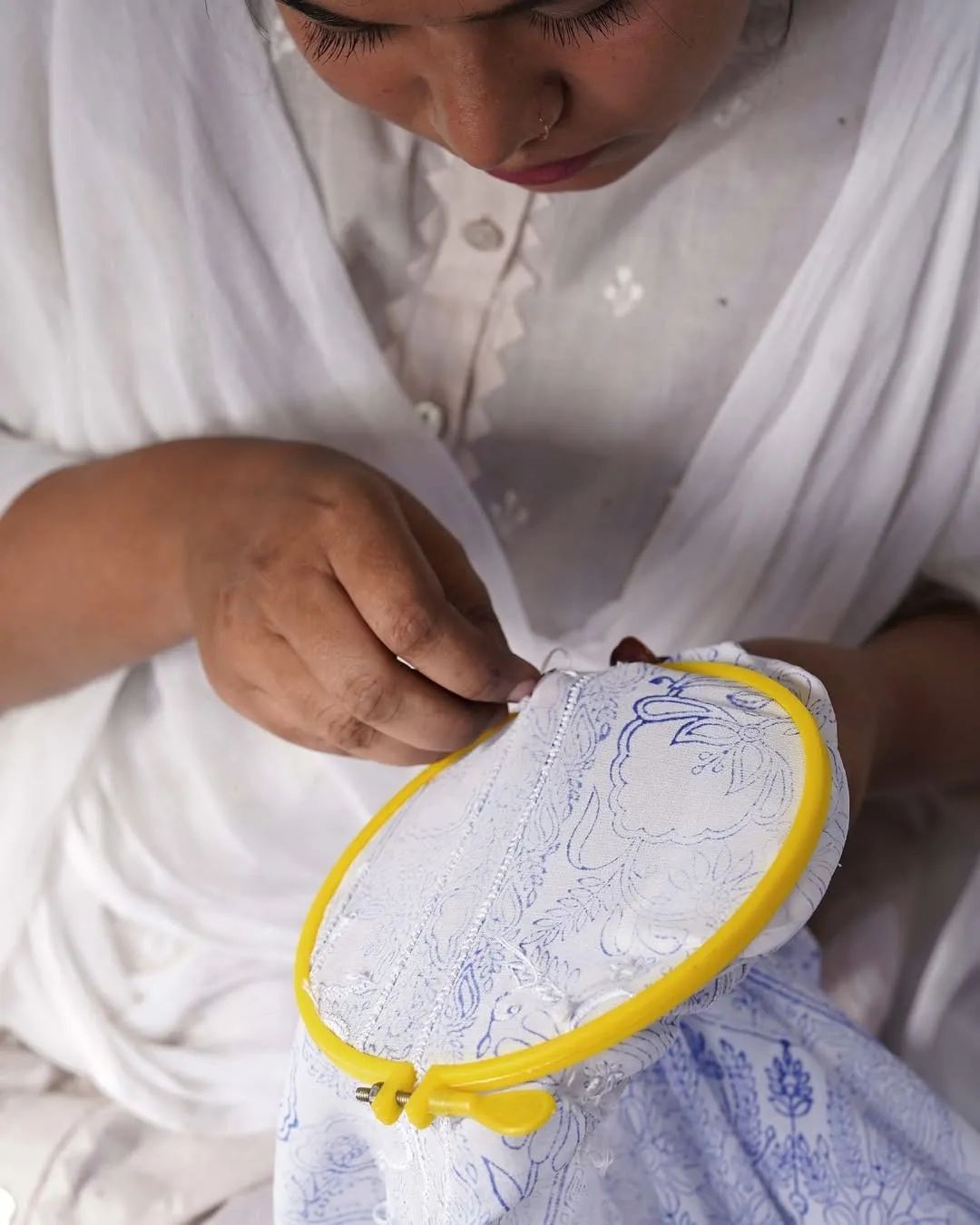
What B2B Buyers Should Expect From a Chikankari Supplier
Serious wholesale sourcing depends on more than design. Buyers need clear product information, realistic commercial terms, quality visibility and dependable repeat-order communication.
Product Transparency
Fabric, embroidery type, sizes, colours, product references and availability should be clearly communicated.
MOQ Clarity
MOQ should be explained according to the actual product and sourcing model rather than one vague site-wide number.
Reliable Communication
Quotations, availability updates, changes and order status should be documented clearly for B2B buyers.
Quality Visibility
Use product images, close-ups, samples where applicable and defined QC checks to reduce preventable disputes.
Repeat-Order Support
Style references, size mix, previous order details and suitable alternatives matter when stock or fabrics change.
International Buyer Support
Overseas buyers need packing, documentation, shipping and import-responsibility clarity in addition to product pricing.
QUALITY & COMMERCIAL VALUE
Cheapest Chikankari Supplier Does Not Always Mean Lowest Cost
Compare the total sellable value of the order. A lower purchase price can be offset by inconsistent measurements, embroidery defects, shade variation, weak finishing, missing quantities, packing problems or poor repeatability.
- Fabric & embroidery comparison
- Measurements & size verification
- Stitching & finishing review
- Defect / stain inspection
- Quantity reconciliation
- Packing review
- Repeat-order consistency
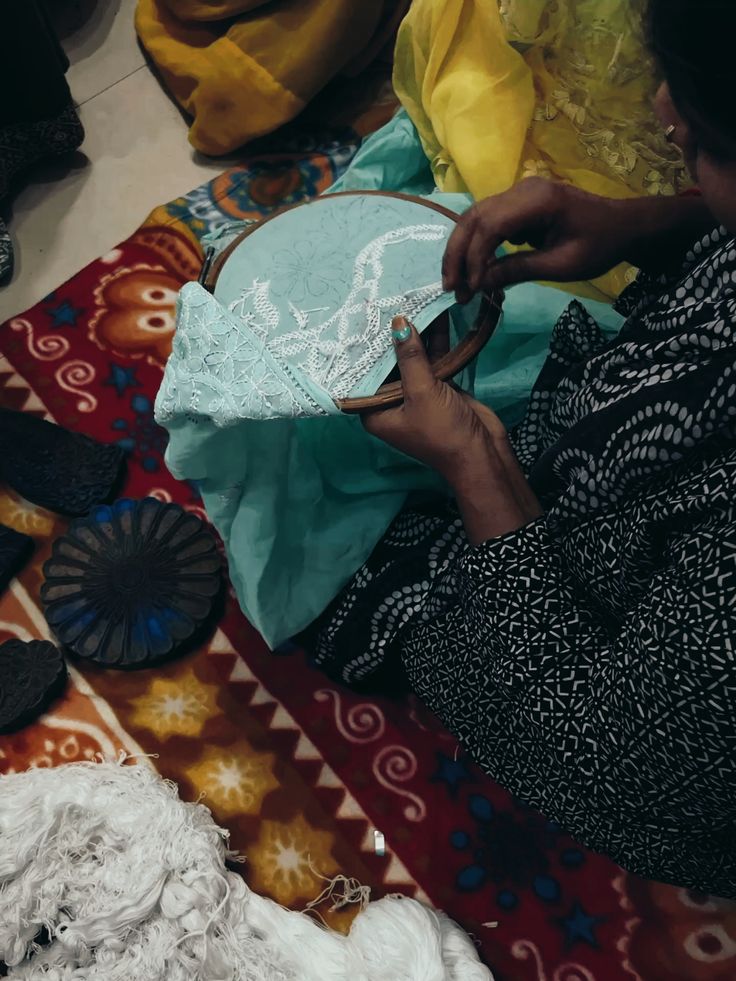
Chikankari Supplier in Lucknow for International Buyers
International sourcing adds another layer to supplier selection: consistent specifications, packing, commercial documentation, freight planning, customs responsibilities and reliable communication.
International B2B Enquiries
Overseas boutiques, retailers, importers, distributors, ecommerce sellers and fashion businesses can send requirement-led sourcing enquiries.
Shipping Review
Freight and delivery options should be evaluated by destination, shipment size or weight and service level.
Customs & Duties
Import duties, local taxes and destination-specific requirements vary by country and should be planned by the buyer.
Commercial Documentation
Applicable invoice, packing and shipment documentation should be reviewed for the order and destination.
Who We Help Source Chikankari
The right Lucknow supplier should fit your selling channel and buying model—not force every buyer into the same assortment.
Boutiques
Curated wholesale assortments, seasonal buying and repeat orders.
Retailers
Commercial ranges for physical stores and multi-location retail.
Ecommerce Sellers
Products for own websites, marketplaces and social commerce.
Importers & Distributors
Requirement-led bulk sourcing for distribution and resale.
Fashion Brands
Custom manufacturing and private-label development where feasible.
Sourcing Agents
Product, fabric, embroidery and commercial requirement coordination.
15 Questions to Ask Before Choosing a Chikankari Supplier in Lucknow
- Are you a trader, wholesaler, manufacturing supplier or private-label partner?
- Where is the Chikankari actually embroidered and finished?
- Is the product hand embroidered, machine embroidered or a combination?
- Can you explain the Chikankari production process and stitch terminology?
- Who coordinates the artisan or production network?
- Can I reorder the same or a comparable design later?
- Can you manufacture instead of only supplying ready stock?
- What MOQ applies to the exact product I am considering?
- Can you develop custom designs, sizing or fabric options where feasible?
- Do you offer private-label support?
- What quality checks happen before dispatch?
- How do you handle defects, shortages or rejected pieces?
- Can you support larger or repeat orders as my business grows?
- Do you support international B2B orders and shipping coordination?
- How transparent are your product references, pricing, production and communication?
Buyer principle: the goal is not to find the supplier with the most claims. It is to find the supplier who can explain the product, control the buying process and deliver commercially usable Chikankari with enough consistency for your business.
How to Start a Chikankari Wholesale Order From Lucknow
1. Send Your Requirement
Business or brand name, country, buyer type, product category, approximate quantity and timeline.
2. Select the Sourcing Route
Ready stock, catalogue wholesale, repeat order, custom manufacturing or private label.
3. Confirm Product Details
Product references, fabric, embroidery, sizes, colours, quantity and any custom requirement.
4. Receive Availability / Quote
Current stock, applicable MOQ, pricing and sample requirements are confirmed against the enquiry.
5. Finalise Order Terms
Agree specifications, quantities, payment terms, packing, shipping and commercial timeline.
6. QC, Packing & Dispatch
Approved order is checked, reconciled, packed and prepared for dispatch.
Frequently Asked Questions
Lucknow is the historic centre most closely associated with Chikankari and Lucknow Chikan Craft is a registered GI handicraft. For buyers seeking authentic Lucknow Chikankari, sourcing through the Lucknow ecosystem gives direct context around the craft, production process and local supply chain.
No. Lucknow’s ecosystem includes artisans, manufacturers, wholesalers and traders. A market or showroom address does not by itself prove production control. Ask who coordinates embroidery, production, finishing and quality.
No. The craft itself is GI registered, while authorised users are separately recorded by the GI Registry. Buyers who require GI-related documentation should verify the specific supplier or producer.
A stock wholesaler mainly supplies existing inventory. A manufacturing supplier can review production requirements such as product, fabric, embroidery, sizing, quantity and customisation subject to feasibility.
Compare like for like: fabric, embroidery type and density, construction, sizing, finishing, QC, packing, repeatability and the applicable MOQ. The lowest per-piece price is not always the lowest commercial cost.
Sample enquiries can be used to evaluate fabric, embroidery, measurements, stitching and finishing. Availability, charges and timelines should be confirmed for the specific requirement.
Repeat orders can be discussed using previous style references, required quantities and size mix. Exact availability should be reconfirmed because fabrics, colours, ready stock and designs can change.
Custom manufacturing and private-label enquiries can be reviewed against product, fabric, embroidery, sizing, quantity, branding and packaging requirements. Final feasibility is confirmed after reviewing the brief.
Yes. International B2B enquiries can be reviewed. Shipping, commercial documentation, customs duties, import taxes and destination requirements vary by order and country.
Share your business or brand name, country, buyer type, product category or references, approximate quantity, size mix if known and expected timeline. For custom or private-label projects, also include design, fabric, embroidery and branding requirements.